The Spanish language, with its rich history and vast geographical reach, offers an unparalleled gateway into a vibrant and diverse global community. Spanning continents and encompassing a multitude of unique traditions, Spanish is far more than just a linguistic tool; it is a connective thread woven through an intricate mosaic of cultures. From the sun-drenched shores of the Caribbean to the rugged Andes mountains, and from the Iberian Peninsula to the bustling metropolises of Latin America, the Spanish-speaking world presents a captivating landscape for exploration, demanding our attention not only for its linguistic prowess but also for its profound cultural richness.
The Genesis and Spread of Spanish: A Historical Overview
The story of Spanish is inextricably linked to the Reconquista of the Iberian Peninsula and the subsequent Age of Exploration. Originating from Vulgar Latin spoken by Roman soldiers and settlers, Castilian Spanish emerged as the dominant dialect in the Kingdom of Castile. The unification of Spain under the Catholic Monarchs, Isabella I of Castile and Ferdinand II of Aragon, and the publication of Antonio de Nebrija’s *Gramática de la lengua castellana* in 1492, a seminal work in the standardization of the language, coincided with Columbus’s historic voyage. This marked the beginning of Spanish’s global expansion.
The Colonial Legacy: Diversification and Adaptation
As Spanish conquistadors and settlers ventured across the Atlantic, they brought their language with them. However, this was not a simple imposition. The interaction with indigenous populations led to a fascinating process of linguistic and cultural exchange. Native words for flora, fauna, and local customs were incorporated into the Spanish lexicon, creating regional variations. Furthermore, the forced labor systems and the subsequent migrations of people from Africa introduced new influences, particularly in the Caribbean and parts of South America. This historical layering has resulted in the incredible linguistic and cultural diversity we see today.
A Cartography of Spanish Dialects: More Than Just Words
While a speaker of Spanish from Madrid can generally communicate with someone from Buenos Aires, the nuances of pronunciation, vocabulary, and even grammar can be striking. These variations are not simply random occurrences but are deeply rooted in historical migrations, geographical isolation, and the influence of pre-existing languages and cultures.
Key Dialectal Regions and Their Characteristics:
- Peninsular Spanish (Spain): Characterized by the “ceceo” or “distinción” (distinguishing between ‘s’ and ‘th’ sounds), a prominent use of “vosotros” (informal plural ‘you’), and regional variations like Catalan, Galician, and Basque, which are distinct languages coexisting with Spanish.
- Mexican Spanish: Known for its melodic intonation, frequent use of diminutives, and a significant influence from Nahuatl, the language of the Aztec empire. For example, words like “chocolate,” “tomate,” and “aguacate” are of Nahuatl origin.
- Caribbean Spanish (Cuba, Puerto Rico, Dominican Republic, coastal Venezuela and Colombia): Distinguished by its rapid pace, the aspiration or omission of final ‘s’ sounds, and influences from African languages. Terms like “sabroso” (delicious) are common.
- Andean Spanish (Peru, Ecuador, Bolivia, parts of Colombia and Venezuela): Often exhibits clearer pronunciation, a more formal tone, and influences from Quechua and Aymara. The use of “ustedes” for both formal and informal plural ‘you’ is prevalent.
- Rioplatense Spanish (Argentina and Uruguay): Famous for its unique “voseo” (using “vos” instead of “tú” for the informal singular ‘you’) and a distinct intonation often compared to Italian, influenced by significant European immigration, particularly from Italy.
- Central American Spanish (Guatemala, El Salvador, Honduras, Nicaragua, Costa Rica, Panama): Shows a wide range of variations, with some regions more influenced by Mexican Spanish and others by Caribbean or Andean dialects. The use of “vos” is common in many of these countries.
Cultural Kaleidoscope: Traditions, Art, and Social Fabric
Language is the vehicle, but culture is the journey. The Spanish-speaking world is a vibrant tapestry woven from diverse traditions, artistic expressions, culinary delights, and unique social customs. Understanding these cultural nuances is as crucial as mastering grammatical rules.
Festivals and Celebrations: Echoes of History and Faith
From the solemn processions of Semana Santa (Holy Week) in Spain and Latin America to the joyous explosions of color during Carnaval in various countries, celebrations often reflect a blend of Catholic traditions and indigenous rituals. The Day of the Dead (*Día de Muertos*) in Mexico, a UNESCO Intangible Cultural Heritage, is a prime example of how Spanish-speaking cultures honor their ancestors with vibrant altars, marigolds, and symbolic offerings, a practice rooted in pre-Hispanic traditions.
Artistic Expressions: From Cervantes to Contemporary Creators
The literary heritage is immense, with giants like Miguel de Cervantes, Gabriel García Márquez, Isabel Allende, and Mario Vargas Llosa. Their works not only showcase the beauty of the Spanish language but also explore the complexities of Latin American and Spanish societies. Beyond literature, the visual arts have flourished, from the surrealism of Salvador Dalí and Joan Miró to the vibrant murals of Diego Rivera and Frida Kahlo, each reflecting their distinct cultural contexts.
Culinary Journeys: A Symphony of Flavors
The gastronomic landscape is as diverse as the languages spoken. Spanish cuisine, known for its tapas, paella, and Iberian ham, forms one pillar. Then there’s the explosion of flavors in Mexican cuisine with its complex mole sauces and corn-based staples; Peruvian cuisine, celebrated for its fusion of indigenous ingredients with influences from Spanish, African, and Asian immigrants (ceviche and lomo saltado being iconic dishes); Argentinian *asado* (barbecue); and the distinct Caribbean dishes rich in seafood and tropical fruits. These culinary traditions are not just about sustenance but are integral to social gatherings and cultural identity.
Navigating the Spanish-Speaking World: Practical Insights
For travelers, students, and those engaging with the Spanish-speaking world, a deeper understanding of its cultural tapestry and linguistic variations enriches every interaction.
Language Learning Strategies: Embracing Diversity
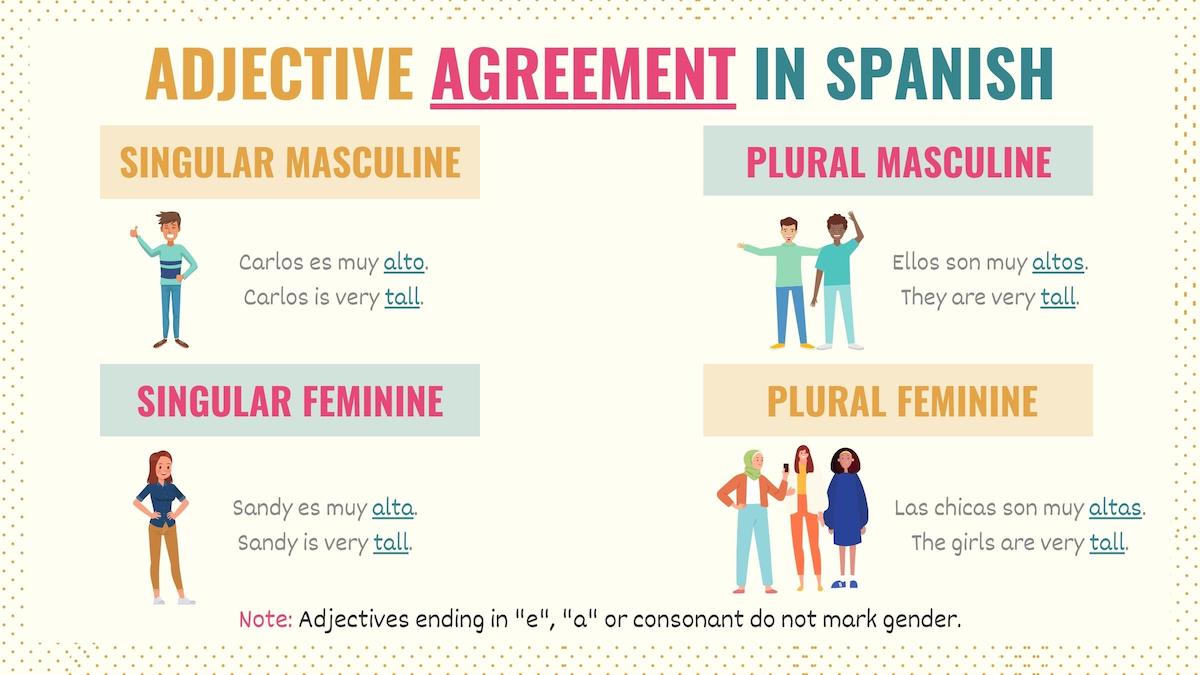
When learning Spanish, consider which region’s dialect and culture most appeals to you. Immersion programs in different countries offer unique perspectives. For instance, studying in Spain provides exposure to Peninsular Spanish, while a program in Mexico offers a different but equally valuable experience. Utilizing resources that highlight regional differences, such as dictionaries of regionalisms or online forums dedicated to specific dialects, can be highly beneficial.
Cross-Cultural Communication: Respect and Understanding
Understanding social etiquette is paramount. Concepts like personal space, directness in communication, and the importance of family can vary significantly. For example, in many Latin American cultures, punctuality might be perceived differently than in some European or North American contexts. Acknowledging these differences with respect fosters stronger relationships and avoids misunderstandings.
The Growing Influence of Spanish: A Global Force
Spanish is not just a language of the past; it is a dynamic force shaping the present and future. With over 460 million native speakers and an additional 75 million who speak it as a second language, Spanish is the second most spoken native language in the world, after Mandarin Chinese. Its influence extends beyond its geographical borders, impacting global business, politics, and popular culture.
Demographic Trends and Future Prospects
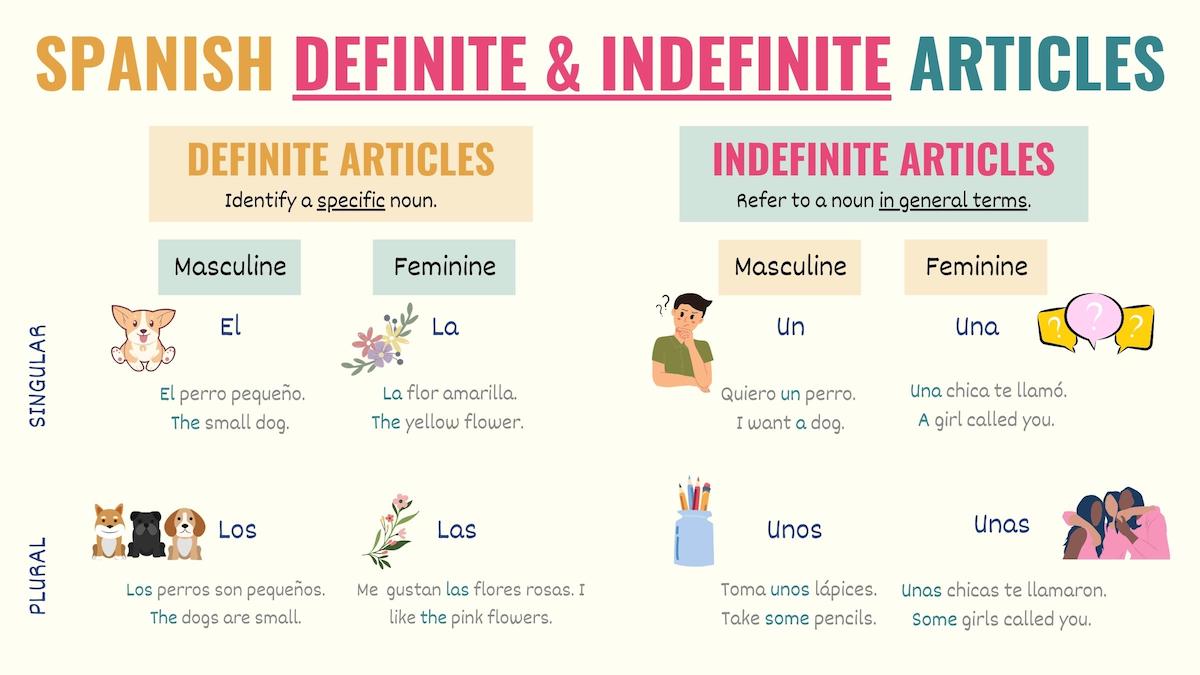
The United States, in particular, has a rapidly growing Spanish-speaking population, making Spanish the second most spoken language in the country. This demographic shift has significant implications for education, healthcare, business, and politics. As global interconnectedness increases, proficiency in Spanish opens doors to a vast and dynamic market and a rich cultural exchange.
An Invitation to Explore
The Spanish-speaking world is a continent of cultures and a universe of languages waiting to be explored. From the poetic cadences of a Spanish sonnet to the fiery rhythms of a salsa dance, and from the intricate flavors of a mole poblano to the poignant narratives of Latin American literature, each facet offers a unique insight into the human experience. By embracing the diversity within this linguistic and cultural family, we not only expand our horizons but also forge deeper connections with a significant and vibrant part of our global community. The journey is as rewarding as the destination, and the Spanish-speaking world offers an endless invitation to discover, learn, and connect.