For many, the distinctive, menthol-tinged sweetness of Halls was synonymous with soothing a sore throat or simply enjoying a refreshing burst of flavour. Within the expansive Halls product line, however, one particular variant held a special, almost cult-like following: Halls Fruit Breezers. These weren’t just lozenges; they were a pocket-sized escape, a burst of vibrant fruitiness that cut through the medicinal stereotype of their parent brand. Yet, as quickly as they ascended to a beloved status, they seemingly vanished from shelves, leaving behind a void in the confectionery landscape and a pang of nostalgia for dedicated fans. This article delves into the untold story behind the discontinuation of Halls Fruit Breezers, exploring the potential reasons, the impact on consumers, and the lessons learned from this sweet yet ultimately fleeting chapter in Halls’ history.
The Rise of the Breezer: A Fruity Innovation
Halls, a brand with a rich heritage dating back to the early 20th century, primarily built its reputation on its iconic menthol-eucalyptus cough drops. Their core offering was functional, aimed at alleviating discomfort. However, the turn of the millennium saw a shift in consumer desires, a yearning for more flavourful and enjoyable experiences, even in traditionally medicinal products. This is where Halls Fruit Breezers entered the scene, a strategic move by Halls’ parent company, Cadbury Adams (later acquired by Kraft Foods, and subsequently by Mondelēz International). The Breezers were a departure from the norm, injecting a playful and exciting fruit dimension into the Halls brand.
A Spectrum of Flavors: More Than Just Menthol
What set Fruit Breezers apart was their ambitious flavour profile. Instead of a singular, dominant fruit, they offered a diverse range, catering to a wider palate. Consumers could choose from:
- Strawberry
- Orange
- Lemon
- Blackcurrant
- Wild Cherry
- Mixed Berry
These flavours were not merely an afterthought; they were expertly crafted to provide a distinct and satisfying fruity experience, often complemented by the subtle, yet familiar, menthol undertone that reassured consumers of the Halls lineage. This dual-pronged appeal – the enjoyable taste and the perceived benefit of a sore throat remedy – was a masterstroke.
Targeting a Broader Audience
The introduction of Fruit Breezers was a deliberate attempt by Halls to expand its market reach beyond those solely seeking cough relief. The vibrant packaging and appealing flavours targeted a younger demographic, individuals who might have found traditional Halls lozenges too medicinal or uninspired. This marketing strategy was evident in their advertising, which often depicted active, young people enjoying the lozenges in various social settings, emphasizing refreshment and flavour rather than illness. This was a smart pivot, recognizing that confectionery consumption was often driven by pleasure and convenience as much as by therapeutic need.
The Fading Flavors: Unpacking the Discontinuation
Despite their initial popularity, the discontinuation of Halls Fruit Breezers was a gradual process, leaving many consumers bewildered. While official statements from the company are often scarce in such situations, several factors likely contributed to their removal from production.
Shifting Market Trends and Consumer Preferences
The confectionery and over-the-counter (OTC) markets are dynamic, constantly evolving with new trends and consumer demands. It’s possible that over time, the appeal of Fruit Breezers waned as newer, more innovative products emerged. The rise of functional gummies, for instance, offering a more chewable and palatable delivery system for vitamins and supplements, could have indirectly impacted the market for traditional lozenges. Furthermore, changing dietary habits and an increasing focus on natural ingredients might have led some consumers to seek alternatives that were perceived as healthier or more wholesome.
Internal Brand Strategy and Portfolio Optimization
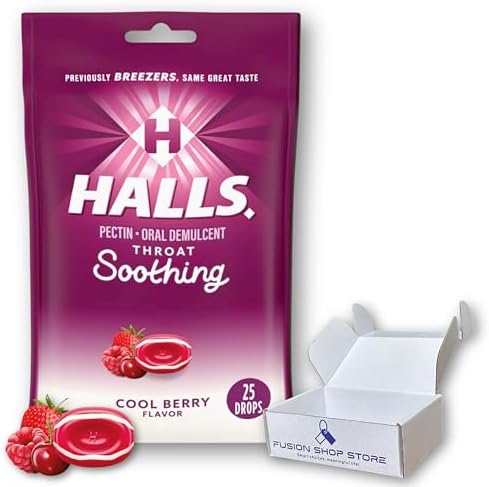
Large food and beverage corporations like Mondelēz International are constantly evaluating their product portfolios to maximize profitability and streamline operations. This involves difficult decisions about which products to continue supporting and which to discontinue. Several factors could have influenced this decision:
- Declining Sales Figures: While initially popular, sales may have plateaued or declined over time, making the product less profitable.
- Manufacturing Complexity: Producing a diverse range of fruit flavours might have involved more complex manufacturing processes or ingredient sourcing compared to the core menthol products, leading to higher costs.
- Focus on Core Products: Companies often prioritize investing in their flagship products and those with the highest growth potential. If Fruit Breezers were not contributing significantly to overall growth, resources might have been reallocated.
- Competition within the Brand: The Halls brand itself offers a wide array of products. It’s possible that other Halls variants were outperforming Fruit Breezers, leading to an internal competition for shelf space and marketing attention.
Supply Chain and Ingredient Challenges
The availability and cost of specific fruit flavourings and other ingredients can fluctuate. If there were difficulties in consistently sourcing high-quality ingredients at a competitive price for Fruit Breezers, it could have made production unsustainable. This is a common, though often unseen, challenge for many consumer goods.
The Echo of Nostalgia: A Consumer’s Lament

The disappearance of Halls Fruit Breezers was not met with silent acceptance. Online forums, social media discussions, and even petitions have sprung up, expressing a collective sense of loss and a yearning for the return of these beloved lozenges. This strong consumer sentiment highlights the emotional connection people can develop with even seemingly simple products.
The Power of Memory and Sensory Experience

For many, Halls Fruit Breezers evoke powerful memories. The taste and smell can transport them back to childhood, to times of comfort during a cold, or simply to everyday moments of enjoyment. This sensory connection is a testament to the product’s ability to become ingrained in consumers’ lives. The discontinuation has triggered a wave of nostalgia, with users lamenting the loss of:
- The unique combination of fruity sweetness and menthol.
- The convenient format for on-the-go refreshment.
- The sheer variety of enjoyable fruit flavours available.
The “Discontinued Product” Phenomenon

The discontinuation of popular consumer products often sparks a passionate response. This phenomenon, sometimes referred to as “discontinued product nostalgia” or the “sadness of the gone,” is driven by several factors:
- Loss of a Familiar Comfort: Products become part of our routines and provide a sense of familiarity and comfort. Their absence can feel like a disruption.
- Perceived Lack of Alternatives: Consumers may feel that no other product can truly replicate the unique qualities of the discontinued item.
- Sense of Community: Discovered online, fans of a discontinued product often find solace and shared experience with others who feel the same loss, creating a sense of community around their shared appreciation.
The online outcry for Halls Fruit Breezers is a clear example of this phenomenon. Dedicated Facebook groups, Twitter threads, and Reddit discussions express a shared longing, with users actively searching for any remaining stock or even speculating on potential “dupes” or similar products from other brands.
Lessons Learned and the Future of Halls

The story of Halls Fruit Breezers offers valuable insights for both manufacturers and consumers. For manufacturers, it underscores the importance of understanding evolving consumer preferences, maintaining product relevance, and effectively communicating strategic decisions. For consumers, it highlights the power of their collective voice and the emotional resonance that products can achieve.
The Importance of Adaptability in the Consumer Goods Market

The discontinuation serves as a stark reminder that no product, however popular, is immune to the forces of market change. Companies must remain agile and adaptable, willing to innovate and evolve their offerings to stay ahead of the curve. This involves:
- Continuous market research to understand consumer trends and preferences.
- Investing in product development to create new and appealing options.
- Strategic portfolio management to ensure resources are allocated to the most promising products.
The Enduring Appeal of Flavour and Functionality
While Halls Fruit Breezers may be gone, the desire for enjoyable and functional confectionery remains. The success of their initial launch demonstrates that there is a market for products that successfully blend pleasant flavours with perceived benefits. Perhaps a future iteration of Halls could revisit this successful formula, incorporating lessons learned from the Breezers’ journey.
Ultimately, the discontinuation of Halls Fruit Breezers, while disappointing for many, is a natural part of the lifecycle of consumer products. Their journey from shelf to history serves as a compelling narrative of innovation, market dynamics, and the enduring power of consumer connection. The sweet taste of nostalgia, however, lingers, a testament to a flavour that once brightened many a day.