In today’s world, energy efficiency is not just a buzzword; it’s a necessity. With rising energy costs and increasing concerns about environmental sustainability, optimizing the energy use of household appliances is more important than ever. One of the most energy-consuming appliances in a home is the refrigerator, particularly a 50/50 refrigerator freezer. This article will explore effective energy efficiency tips for maximizing the performance of your 50/50 refrigerator freezer while reducing energy consumption.
Understanding Your 50/50 Refrigerator Freezer

A 50/50 refrigerator freezer is designed with equal space allocated for refrigeration and freezing, making it a popular choice for families and individuals alike. Understanding how it operates can help you make informed decisions about energy efficiency. The refrigerator compartment is usually kept at around 37°F (3°C), while the freezer operates at 0°F (-18°C). The energy consumption of these units can vary widely based on model, age, and usage patterns.
Why Energy Efficiency Matters
Improving the energy efficiency of your refrigerator freezer not only reduces your utility bills but also lessens your carbon footprint. According to the U.S. Department of Energy, refrigerators account for about 8% of the total energy consumption in homes. Therefore, even small changes can lead to significant savings over time. For example, replacing an old refrigerator with a modern, energy-efficient model can save homeowners around $200 annually in energy costs.
Top Energy Efficiency Tips for Your 50/50 Refrigerator Freezer
Implementing the following strategies can enhance the energy efficiency of your refrigerator freezer:
1. Optimal Temperature Settings
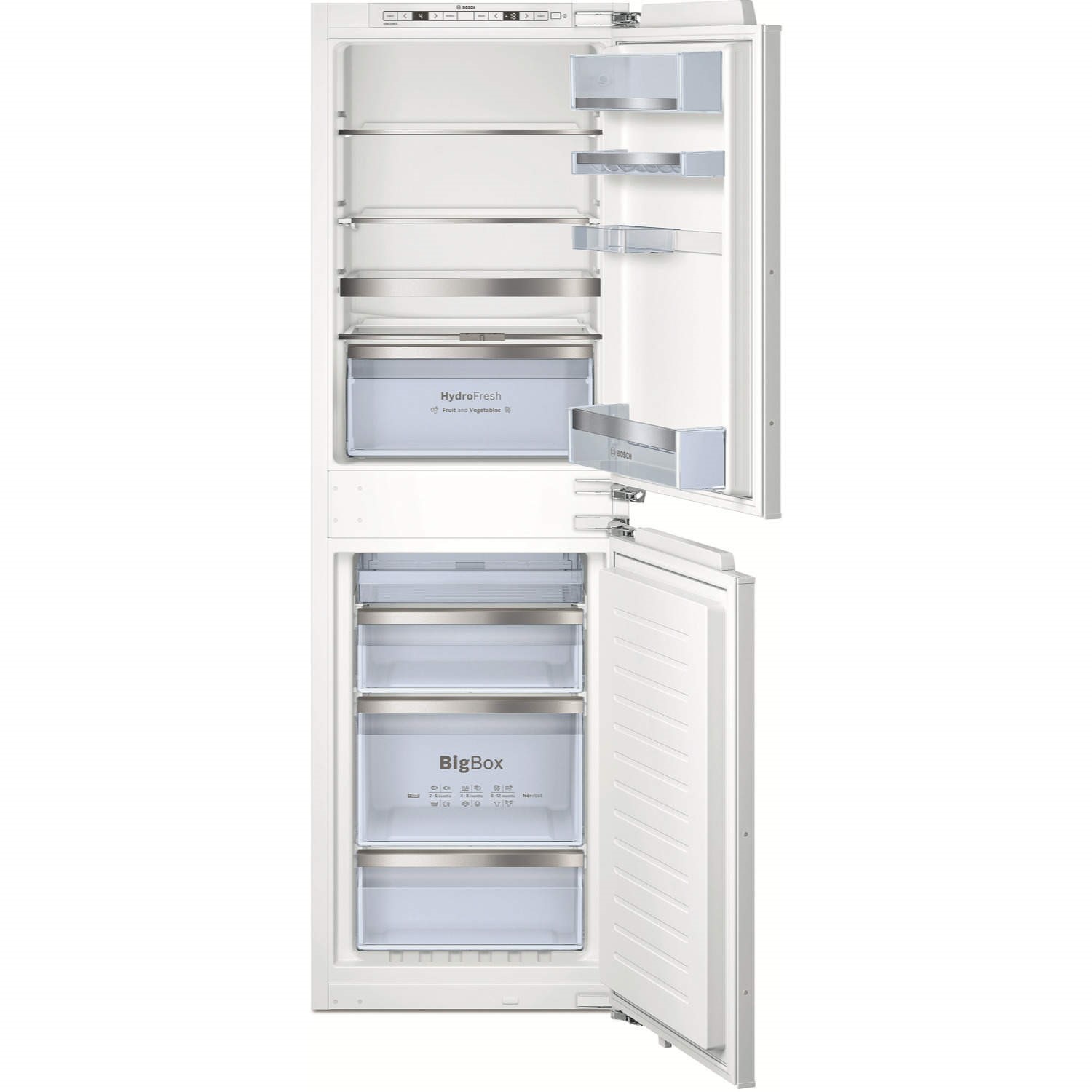
Maintaining the right temperature is crucial for energy efficiency. Here are some tips:
- Set your refrigerator temperature between 35°F and 38°F (1.6°C to 3.3°C).
- Keep your freezer at 0°F (-18°C) to ensure food quality and save energy.
- Use a thermometer to regularly check the internal temperatures and adjust settings accordingly.
2. Proper Placement
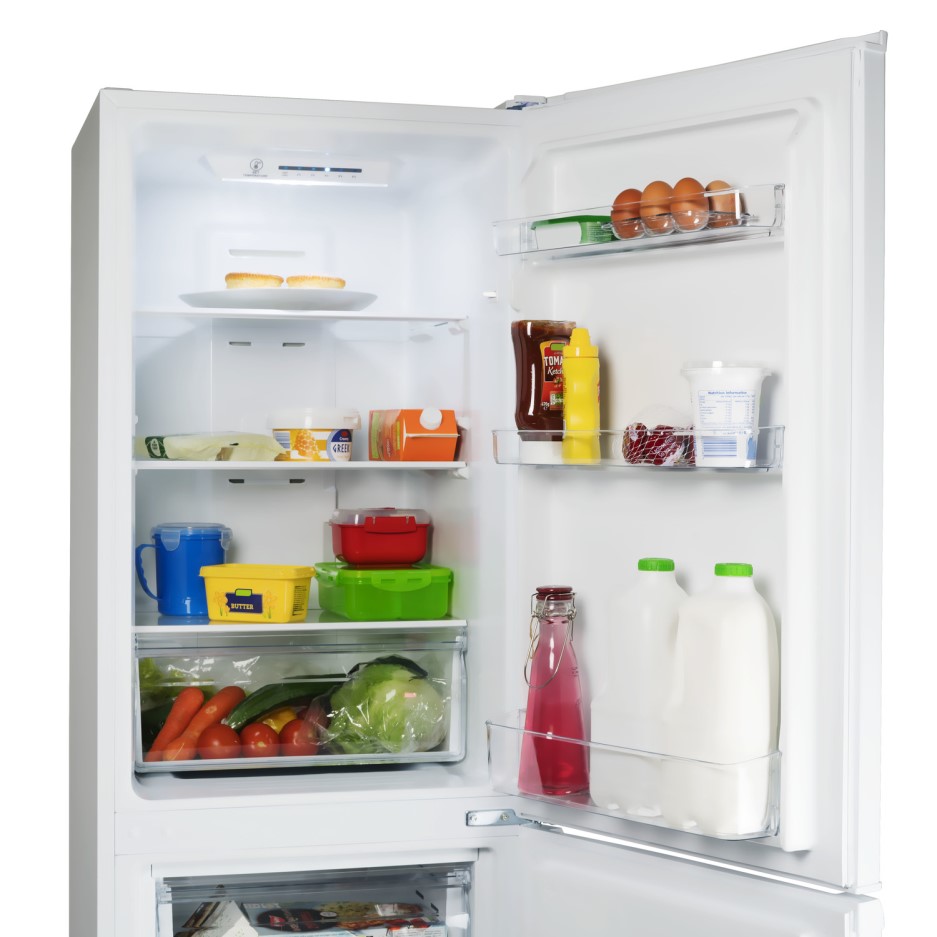
The location of your refrigerator freezer can significantly impact its energy consumption:
- Ensure it is placed away from heat sources such as ovens, direct sunlight, or heating vents.
- Allow for adequate airflow around the appliance—at least a few inches on all sides can help maintain efficiency.
- Keep the refrigerator in a cool area of your home to reduce the workload.
3. Regular Maintenance
Regular maintenance is key to keeping your refrigerator freezer running efficiently:
- Clean the condenser coils at least twice a year to remove dust and debris, which can hinder performance.
- Check door seals for leaks. A simple test is to close a piece of paper in the door; if it slips out easily, the seal may need replacement.
- Defrost your freezer regularly to prevent ice buildup, which can consume additional energy.
4. Smart Loading Practices
How you load your refrigerator freezer can also affect energy efficiency:
- Avoid overloading as it can restrict airflow, making it harder for the appliance to maintain temperature.
- Keep items organized for easy access; this minimizes the time the door is open, reducing energy loss.
- Let hot foods cool before placing them in the refrigerator to prevent raising the internal temperature.
5. Use Energy-Efficient Models

If you’re in the market for a new refrigerator, consider energy-efficient models:
- Look for the ENERGY STAR label, which indicates the appliance meets strict energy efficiency guidelines.
- Consider models with better insulation and advanced cooling technologies, which can save more energy.
- Research customer reviews and energy ratings to find a model that balances performance and energy savings.
6. Explore Smart Technology
Embracing smart home technology can help significantly enhance energy efficiency:
- Smart refrigerators can monitor energy usage and alert you when settings need adjustment.
- Wi-Fi-enabled features allow for remote monitoring and control, ensuring optimal energy consumption.
- Some models even have built-in sensors that detect when the door is left open, sending alerts to your smartphone.
Case Studies: Real-Life Examples of Energy Savings
Let’s consider a couple of case studies that illustrate the benefits of implementing energy efficiency tips in 50/50 refrigerator freezers:
Case Study 1: The Smith Family
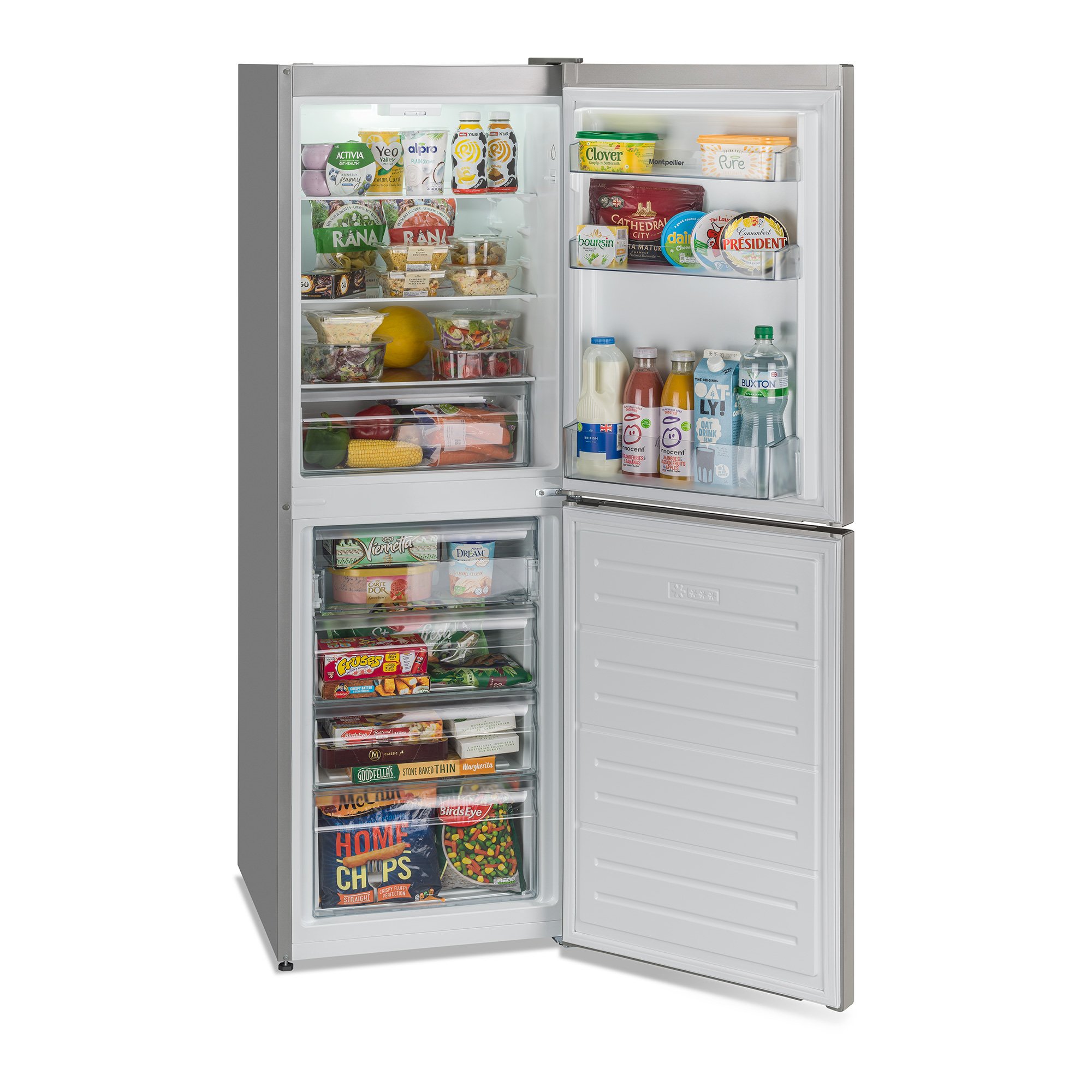
The Smith family replaced their old refrigerator with an ENERGY STAR rated model. They followed several energy-saving practices, including optimal temperature settings and regular maintenance. Within six months, they reported a 25% reduction in their energy bills, saving approximately $150 annually.
Case Study 2: The Johnsons’ Smart Upgrade
The Johnsons invested in a smart refrigerator that provided real-time energy monitoring. They utilized the app to track their energy use and adjusted their habits accordingly. The result was a 30% decrease in energy consumption over a year, translating to about $180 in savings.
Statistics Supporting Energy Efficiency

Several statistics emphasize the importance and impact of energy efficiency in refrigeration:
- According to the U.S. Energy Information Administration, about 80% of the refrigerators in use today are over ten years old, making them significantly less efficient than newer models.
- Upgrading to an ENERGY STAR rated refrigerator can save more than $200 over the lifetime of the appliance.
- Properly maintaining a refrigerator can improve its efficiency by as much as 30%.
Maximizing energy efficiency in your 50/50 refrigerator freezer is not just an environmentally responsible choice; it also leads to significant financial savings. By understanding your appliance, maintaining optimal temperature settings, ensuring proper placement and loading practices, and considering modern energy-efficient models, you can make a meaningful impact on your energy consumption. Furthermore, embracing smart technology can provide additional insights and control over your energy use. With these tips, you can enjoy the benefits of a well-functioning refrigerator freezer while contributing to a more sustainable future.