The depths of our oceans hold a treasure trove of inspiration for artists and explorers alike. As we delve into the intersection of art and underwater exploration, we uncover a fascinating world that not only captivates the imagination but also raises awareness about marine conservation. This article explores how artistic expression and underwater exploration converge, showcasing their impact on culture, science, and environmental advocacy.
The Allure of the Underwater World
The underwater realm is a place of mystery and beauty, filled with vibrant ecosystems and astonishing biodiversity. It is also a source of inspiration for countless artists. According to the United Nations, over 3 billion people depend on the oceans for their livelihoods, and the artistic representation of these ecosystems can significantly influence public perception and awareness.
Visual Arts: Painting the Depths

Many artists draw inspiration from the ocean’s colors, textures, and forms. Notable examples include:
- Yayoi Kusama: Known for her immersive installations, Kusama’s “Narcissus Garden,” which features reflective spheres, evokes the surreal beauty of underwater landscapes.
- David Hockney: His series of pool paintings captures the play of light and water, reminiscent of underwater reflections.
- Lisa Adams: A contemporary artist whose works often reflect themes of environmentalism and the beauty of marine life.
These artists, among many others, have drawn from their experiences or explorations in marine environments, using their work to highlight the importance of preserving these ecosystems.
The Role of Photography
Underwater photography has become a powerful medium for artistic expression and environmental advocacy. Photographers like David Doubilet and Paul Nicklen have brought the beauty and fragility of underwater ecosystems to the forefront through their stunning imagery.
Statistics show that:
- Over 90% of the ocean remains unexplored, making underwater photography a crucial tool for documenting marine biodiversity.
- Images from underwater photographers have been used in campaigns to raise awareness about issues like coral bleaching and plastic pollution.
Through their lenses, these photographers tell stories of the ocean’s wonders while urging society to take action to protect these vital ecosystems.
Performance Art: Immersive Experiences
Performance art has also found a unique venue in the underwater world. Artists are creating immersive experiences that engage audiences in the exploration of marine environments.
Notable Examples of Underwater Performance Art
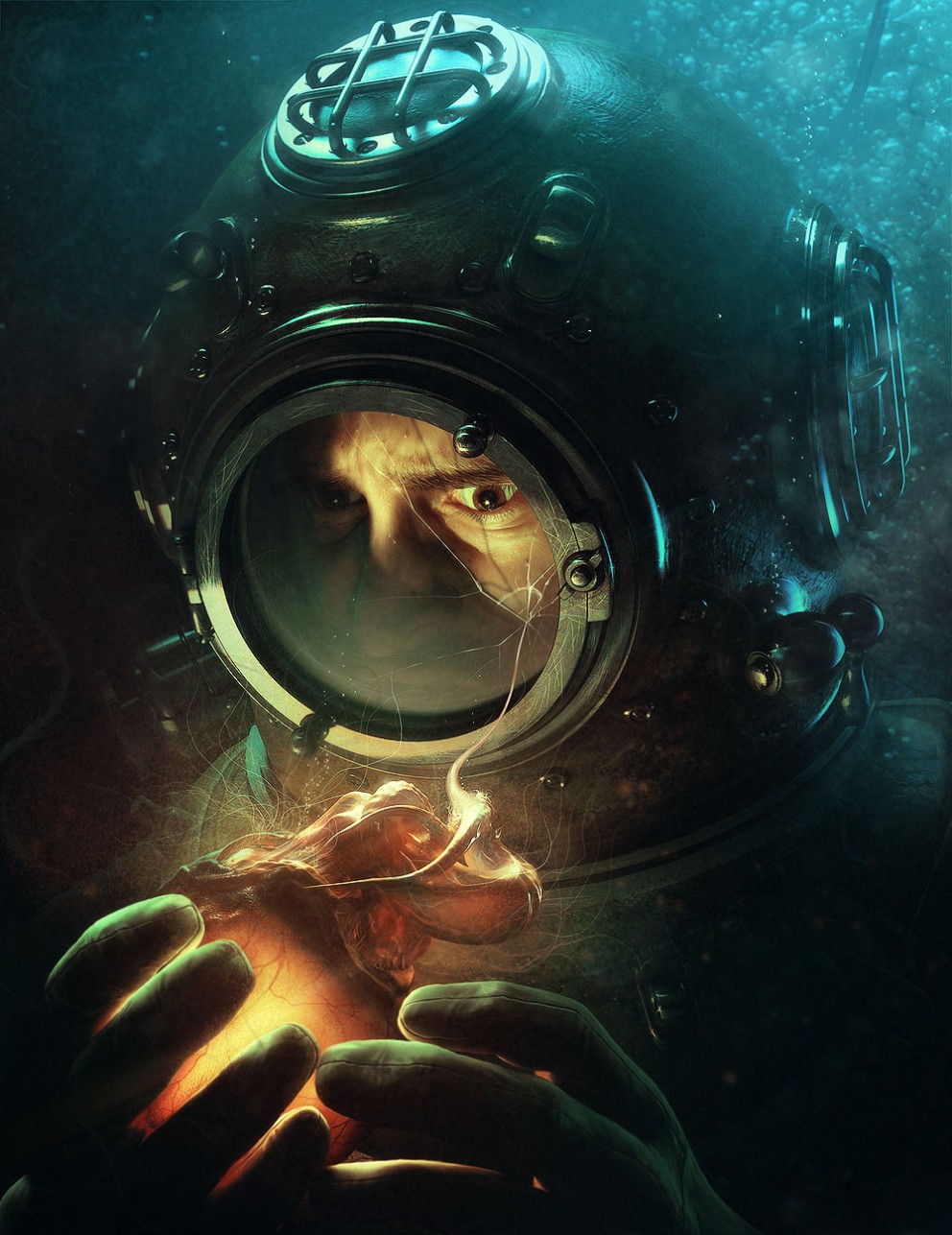
- Swimming with the sharks: Artists like Marina Abramović have explored the concept of fear and vulnerability by performing underwater, directly interacting with marine life.
- Underwater ballet: Groups like the Aquabatics Academy in Canada combine dance and diving, using choreography to express the fluidity and grace of both water and the human body.
Such performances challenge conventional notions of art and invite audiences to experience the underwater world in a visceral way, fostering a deeper connection to marine ecosystems.
Art as a Tool for Environmental Advocacy
As climate change and pollution threaten our oceans, artists are increasingly using their platforms to advocate for marine conservation. The power of art lies in its ability to evoke emotion and provoke thought, making it a compelling vehicle for environmental messages.
Case Studies in Artistic Activism
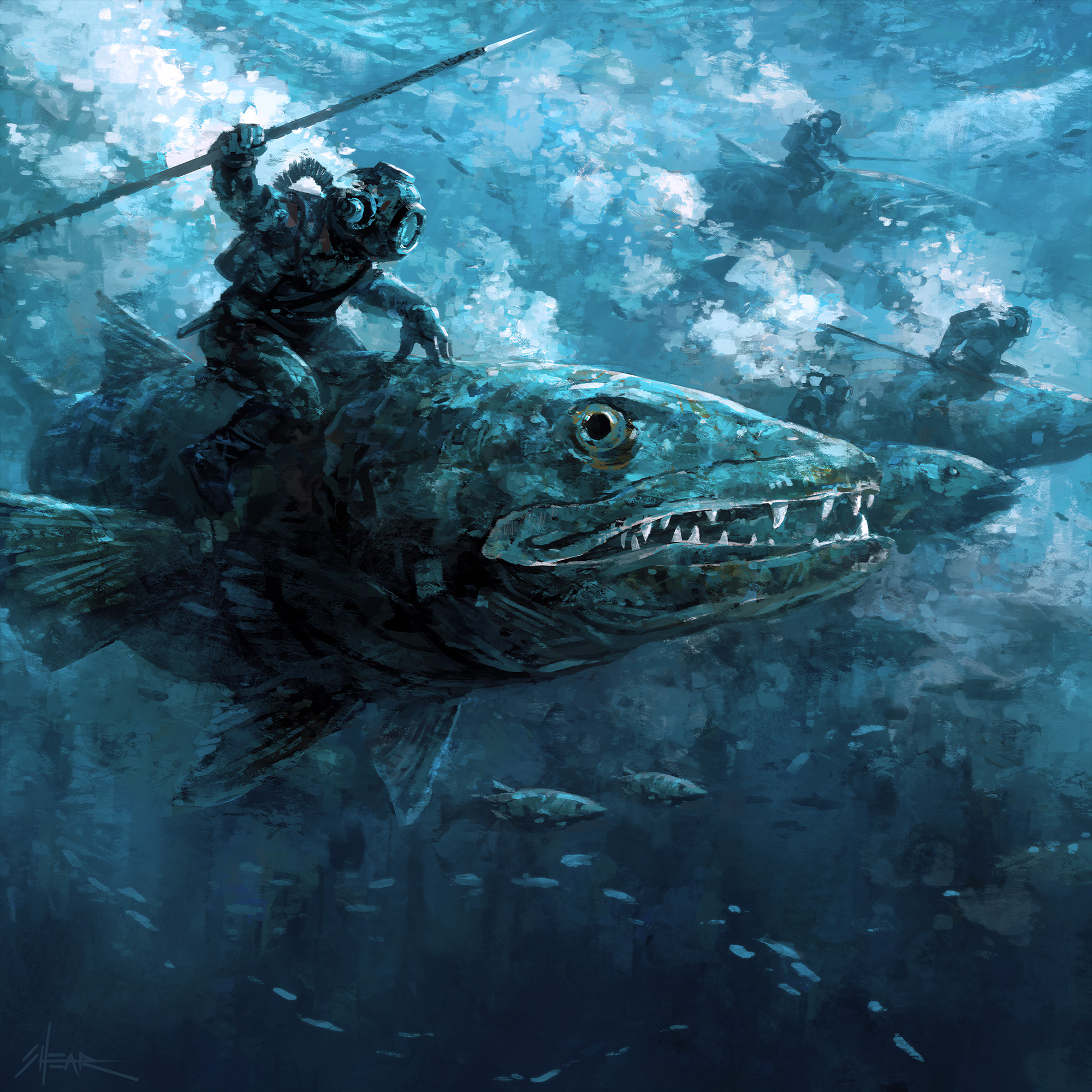
- Ocean Plastic Art Installation: Artists like Angela Haseltine Pozzi have created installations made entirely from ocean debris, illustrating the impact of plastic pollution on marine life.
- Coral Triangle Initiative: This collaborative project between artists and scientists aims to raise awareness about coral reef ecosystems through art exhibitions and public installations.
These initiatives not only educate the public but also engage them in conversations about sustainability and conservation.
The Science of Art and Underwater Exploration
Collaboration between artists and scientists is crucial for understanding and preserving underwater ecosystems. Marine biologists and artists often work together to document the effects of climate change on marine environments.
Scientific Illustrations and Animation

Scientific illustrators play a vital role in documenting marine species and their habitats. Their detailed drawings and animations can help communicate complex scientific concepts to the public. Examples include:
- Illustrations by Ernst Haeckel: His detailed lithographs of marine organisms remain influential in both art and science.
- Animated documentaries: Films like “Chasing Ice” use animation to depict scientific data on climate change’s impact on glaciers, drawing parallels to marine environments.
Such collaboration enhances public understanding of marine science while providing artists with rich material to inspire their work.
Community Engagement through Art and Exploration
Art and underwater exploration can foster community engagement and promote a sense of stewardship for marine environments. Community art projects focused on marine themes can galvanize local populations to take action.
Examples of Community Art Initiatives

- Coral Restoration Projects: Local artists collaborate with marine biologists to create art installations that educate the public about coral reef restoration.
- Beach Clean-Up Art Events: Communities organize clean-up events where collected debris is transformed into art, raising awareness about pollution while beautifying public spaces.
These initiatives not only beautify local environments but also empower communities to take an active role in conservation efforts.
The Future: Expanding the Intersection of Art and Underwater Exploration

The relationship between art and underwater exploration is evolving, with technology playing a significant role. Innovations like virtual reality (VR) and augmented reality (AR) are opening new avenues for artistic expression and education.
Emerging Technologies in Art and Exploration
- Virtual Reality Experiences: Artists are using VR to create immersive environments that allow users to experience underwater ecosystems without getting wet.
- Augmented Reality Art Installations: AR can bring static art pieces to life, providing educational content about marine life and conservation efforts in real-time.
These technologies not only enhance artistic expression but also make marine exploration accessible to a broader audience, fostering a deeper appreciation for the oceans.
Conclusion: Celebrating the Union of Art and Marine Conservation
The intersection of art and underwater exploration is a vibrant field that offers rich opportunities for creativity, education, and advocacy. Through visual arts, performance, and community engagement, artists can inspire action and raise awareness about the importance of marine conservation. As technology continues to evolve, the potential for artistic expression in underwater exploration will only expand, encouraging more people to connect with and protect our oceans. By celebrating this union, we can foster a culture that values the beauty of marine environments and recognizes our responsibility to preserve them for future generations.