Taekwondo, a dynamic martial art renowned for its spectacular high-flying kicks, demands precision, power, and relentless practice. Central to honing these skills is the kicking bag. Far more than just a piece of equipment, the right kicking bag can be a trainer, a motivator, and a critical tool in your journey from beginner to master. However, the market offers a dizzying array of options, each with its own characteristics. Choosing the wrong bag can lead to frustration, injury, or simply ineffective training. This article delves deep into the nuances of selecting the perfect taekwondo kicking bag, tailored to your current skill level.
Understanding the Fundamentals: Why Your Kicking Bag Matters

Before we explore the different types of bags, it’s crucial to understand why this choice is so important. A taekwondo kicking bag serves several vital purposes:
- Technique Refinement: It provides a consistent surface to practice kicks, allowing you to focus on form, hip rotation, and leg extension without the variables of a moving target or human partner.
- Power Development: Repeated striking against resistance builds muscle memory and explosive power.
- Stamina and Conditioning: Prolonged kicking sessions enhance cardiovascular health and muscular endurance.
- Accuracy and Target Practice: Bags help develop the ability to strike specific areas with controlled force.
- Injury Prevention: Using the correct bag for your skill level reduces the risk of sprains, strains, and impact-related injuries.
Statistics from a study published in the “Journal of Sports Science and Medicine” indicated that martial artists who consistently trained with appropriate equipment showed a significant improvement in kicking speed and power compared to those who did not. This underscores the tangible benefits of a well-chosen kicking bag.
Beginner’s Bliss: Starting with Stability and Safety
For those just stepping onto the taekwondo mat, the primary focus is on learning the fundamental stances, blocks, and basic kicks like the front kick (ap chagi) and roundhouse kick (dollyo chagi). At this stage, the bag should prioritize stability and minimize the risk of injury.
The Standing Punching Bag: A Gentle Giant

The most common and arguably the best starting point for beginners is the **standing punching bag**. These are typically filled with sand or water at the base for stability and have a padded, cylindrical torso. They offer a forgiving surface that absorbs impact effectively, making them ideal for learning basic kicks without excessive strain.
Key Features for Beginners:
- Height Adjustability: As you learn, your kicking height will evolve. An adjustable bag allows you to tailor the target area.
- Soft, Padded Surface: This is paramount. A softer bag will cushion your shins and feet, preventing bruising and encouraging confident striking.
- Stable Base: A bag that wobbles excessively can be discouraging and potentially dangerous. Ensure the base is heavy and secure.
- Moderate Resistance: While you want some resistance to build power, an overly hard bag can lead to technique breakdown and injury.
Example Case Study:
Sarah, a 10-year-old beginner in taekwondo, found her initial training sessions with a generic, hard punching bag to be painful. Her shins were constantly bruised, and she hesitated to put full power into her kicks. Her instructor recommended a softer, height-adjustable standing bag filled with water. Within weeks, Sarah reported less pain, more confidence, and a noticeable improvement in her kicking form as she was no longer worried about the impact.
The Wall-Mounted Punching Bag: Controlled Power

Another excellent option for beginners is a **wall-mounted punching bag**. These are secured directly to a sturdy wall, offering excellent stability and a consistent striking surface. They often provide a good balance of resistance and forgiveness, allowing beginners to develop power without excessive recoil.
Considerations for Wall-Mounted Bags:
- Sturdy Wall Construction: Ensure the wall can withstand repeated impacts.
- Padding on the Wall: If possible, add extra padding to the wall behind the bag to protect both the wall and your limbs.
- Appropriate Bag Length: Choose a bag that allows for practice of your current kicking repertoire.
Intermediate Prowess: Building Power and Precision
As you progress to the intermediate level, your kicks become more powerful, your techniques more varied, and your focus shifts towards developing speed, accuracy, and the ability to generate more force. This is where you’ll need a bag that can withstand more aggressive training.
The Heavy Bag: The Workhorse of Power Training

The **heavy bag** is the quintessential training tool for developing striking power. These bags are significantly heavier and more dense than beginner bags, typically filled with dense foam, shredded textiles, or a combination. They offer substantial resistance, forcing you to engage your core and generate more power with each strike.
Features to Look For:
- Weight and Density: A good intermediate heavy bag should weigh at least 70-100 lbs (32-45 kg) and be dense enough to absorb significant impact without excessive sway.
- Durable Outer Shell: Look for heavy-duty vinyl, leather, or canvas to withstand repeated kicks.
- Secure Hanging System: A robust chain or strap system is essential to prevent the bag from falling.
- Appropriate Length: Longer bags allow for practice of higher kicks and combinations.
Example Scenario:
Mark, a blue belt in taekwondo, was looking to increase the power of his spinning hook kick. His old, lighter bag would swing wildly with each strike, making it difficult to feel the resistance and refine his technique. He invested in a 100 lb heavy bag. The increased resistance allowed him to focus on driving through the target, and he saw a noticeable improvement in his power and control within a few months.
The Target Bag (Focus Mitts/Pads): For Precision and Speed
While not a “bag” in the traditional sense, **target bags**, often in the form of focus mitts or larger striking pads, are invaluable for intermediate practitioners. These are held by a partner and allow for dynamic drills focusing on:
- Accuracy: Hitting a smaller, moving target.
- Speed: Rapid combinations and quick transitions.
- Reaction Time: Responding to varied target presentation.
- Timing: Coordinating your strikes with your partner’s movements.
While a partner is crucial for these, there are also stationary target bags that mimic this function, offering a smaller striking surface to hone precision.
Advanced Mastery: Versatility and Specialized Training
At the advanced level, practitioners are seeking to refine every aspect of their kicking game, from explosive power to lightning-fast combinations and intricate techniques. This requires bags that offer versatility and can simulate more specific training scenarios.
The Free-Standing Heavy Bag (Commercial Grade): The Ultimate All-Rounder
These are an evolution of the beginner standing bag but are significantly larger, heavier, and more robust. They often feature a wider base and a more durable torso, designed to withstand the intense power of advanced practitioners. Their advantage lies in their portability and ease of setup compared to hanging bags, while still offering substantial resistance.
What to Expect:
- Significant Weight: These can weigh several hundred pounds when filled.
- Durable Construction: Often made with high-grade vinyl and dense foam.
- Variable Resistance: The amount of fill in the base can be adjusted to fine-tune stability.
The “Wrecking Ball” Style Bag: For Flow and Combinations
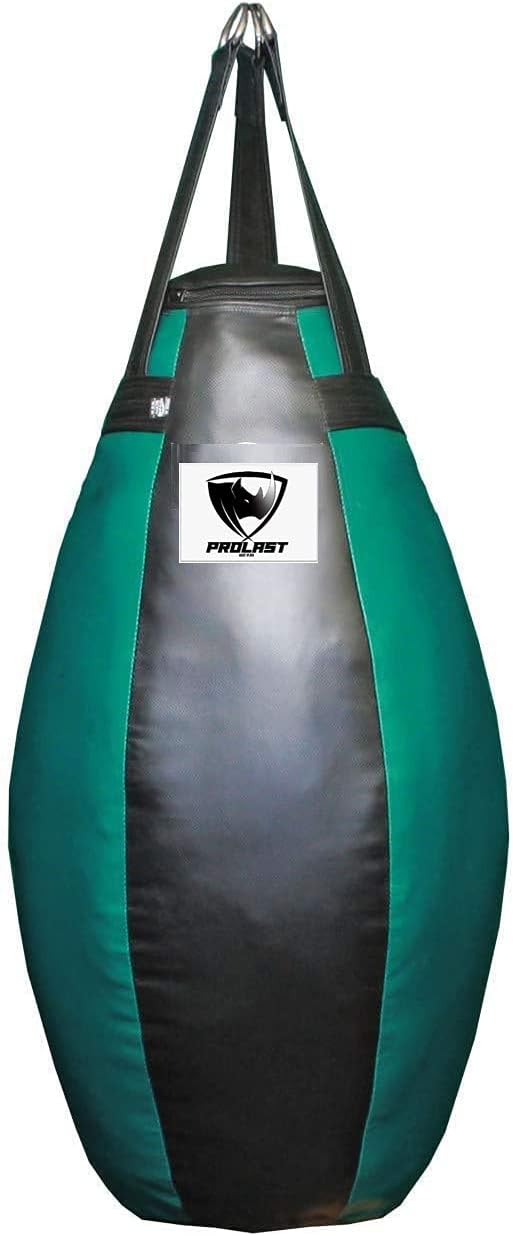
These are typically smaller, rounder, and hung from the ceiling or a sturdy frame. They are designed to swing and move dynamically, allowing for practice of fluid kicking combinations and the ability to strike a moving target with speed and precision. They are excellent for developing rhythm and flow between kicks.
Why They’re Great for Advanced Training:
- Dynamic Movement: Mimics the unpredictable nature of sparring.
- Focus on Flow: Encourages seamless transitions between kicks.
- Precision and Speed: Requires quick reactions and accurate strikes.
Specialized Training Bags:
For the truly dedicated, specialized bags exist to target specific aspects:
- Shin Guards/Pads (worn): While not bags themselves, these are used in conjunction with striking pads to simulate the feeling of impact on your shins in a controlled environment.
- Punching Pillars: Tall, cylindrical bags designed for full-body engagement and practicing a variety of strikes and kicks.
Factors Beyond Skill Level

While skill level is the primary determinant, consider these additional factors:
- Available Space: A large heavy bag requires more room than a wall-mounted option.
- Budget: Prices vary significantly from entry-level standing bags to high-end professional equipment.
- Noise Levels: Some bags can be quite noisy, which might be a consideration in shared living spaces.
- Maintenance: Consider how easy the bag is to clean and maintain.
The Path to the Perfect Kick
Choosing the right taekwondo kicking bag is an investment in your training and your progress. For beginners, prioritize stability and a forgiving surface to build confidence and proper form. Intermediate practitioners should seek out heavy bags to develop power and target bags for precision and speed. Advanced martial artists will benefit from versatile, dynamic bags that challenge their speed, flow, and overall striking capabilities. By carefully considering your current skill level, the purpose of your training, and the practicalities of your environment, you can select a kicking bag that will serve as an indispensable partner on your journey to taekwondo mastery. Remember, the right tool empowers you to unlock your full potential, one powerful kick at a time.