Fashion, a cyclical beast, constantly mines the past for inspiration. In recent years, two distinct yet often overlapping trends have experienced a remarkable resurgence: the vibrant, psychedelic explosion of tie-dye and the nostalgic, rebellion-tinged comeback of band t-shirts. These aren’t fleeting fads; they represent deeper cultural shifts, a yearning for individuality, a connection to subcultures, and a potent form of self-expression in an increasingly homogenized world. This article delves into the multifaceted reasons behind the comeback of tie-dye and the enduring appeal of band t-shirts, exploring their historical roots, cultural significance, and contemporary manifestations.
The Psychedelic Sunrise: Unpacking Tie-Dye’s Resurgence

Once synonymous with the counterculture movements of the 1960s and 70s, tie-dye has shed its Woodstock-era connotations and re-emerged as a mainstream fashion statement. Its re-entry into the sartorial landscape is a testament to its inherent appeal: a blend of artistry, spontaneity, and a celebration of individuality. Several factors have contributed to this chromatic revival:
A Nod to Nostalgia and Comfort

The initial spark for tie-dye’s comeback can be traced, in part, to a collective yearning for simpler times and a sense of comfort. The prolonged period of global uncertainty, marked by the pandemic, fostered a desire for familiar and comforting aesthetics. Tie-dye, with its inherently playful and bohemian spirit, offered a visual antidote to the anxieties of the modern world. It evokes memories of freedom, creativity, and a less complicated era. Brands like Urban Outfitters and Free People were early adopters, reintroducing tie-dye into their collections, appealing to a younger demographic seeking vintage-inspired pieces.
The DIY Revolution and the Rise of Personalization
Perhaps the most significant driver of tie-dye’s resurgence is the burgeoning do-it-yourself (DIY) culture. Social media platforms, particularly TikTok and Instagram, became fertile ground for DIY tie-dye tutorials and challenges. Users embraced the process as a creative outlet, a way to personalize their clothing, and a satisfying hands-on activity. This democratization of fashion allowed anyone to become a designer, transforming plain garments into unique works of art. The inherent unpredictability of tie-dye ensures that each piece is one-of-a-kind, perfectly aligning with the growing demand for personalized products. Data from Etsy, a marketplace for handmade and vintage goods, reveals a significant surge in searches for “tie-dye kit” and “custom tie-dye t-shirt” during lockdown periods, underscoring this DIY phenomenon.
Sustainability and the Circular Economy
In an era of heightened environmental consciousness, tie-dye also aligns with a more sustainable approach to fashion. Instead of discarding old or plain clothing, individuals are repurposing them through tie-dyeing, extending the life cycle of garments. This aligns with the principles of the circular economy, where waste is minimized and resources are utilized efficiently. Brands are also exploring eco-friendly dyeing methods and natural dyes, further enhancing tie-dye’s sustainable credentials. The rise of upcycled fashion boutiques and the focus on slow fashion practices have further propelled tie-dye into the sustainable style conversation.
Celebrity Endorsement and High Fashion Integration

The influence of celebrities and high fashion cannot be underestimated. From Gigi Hadid sporting a tie-dye co-ord set to luxury brands like Prada and Chloe featuring tie-dye elements in their collections, the trend has been legitimized and elevated. This widespread adoption by tastemakers has introduced tie-dye to a broader audience, solidifying its place in contemporary fashion. Designers are experimenting with more sophisticated color palettes and elevated fabrics, moving tie-dye beyond its hippy connotations and into high-fashion territory.
The Unplugged Anthem: Band T-Shirts Stage a Rocking Comeback
Parallel to the explosion of color, the humble band t-shirt has also experienced a powerful revival. These aren’t just pieces of clothing; they are wearable emblems of identity, rebellion, and shared cultural experiences. The comeback of band tees can be attributed to several intersecting factors:
A Search for Authenticity and Individuality
In a world saturated with mass-produced fast fashion, band t-shirts offer a tangible connection to authenticity and a distinct sense of self. Wearing a band tee signifies an affiliation, a taste, and often a set of values. It’s a statement that goes beyond mere aesthetics, communicating something personal about the wearer’s musical preferences, cultural allegiances, and even political leanings. This desire for authenticity resonates deeply with Gen Z and Millennials, who are increasingly seeking products and brands that reflect their personal narratives.
The Enduring Power of Music Subcultures
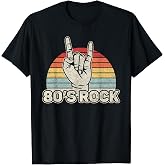
Music has always been a powerful unifying force, and band t-shirts serve as the uniform of various subcultures. From punk and grunge to indie rock and hip-hop, each genre has its iconic imagery and associated apparel. The resurgence of these genres in popular culture, often fueled by streaming platforms and curated playlists, has naturally brought their associated merchandise back into the spotlight. Vintage band tees, in particular, have become highly sought-after collector’s items, with their faded prints and worn-in feel adding to their appeal. Online marketplaces like Depop and Grailed have become hubs for the sale of rare and vintage band merchandise, fetching significant prices.
Nostalgia for the Golden Eras of Music
Similar to tie-dye’s appeal, band tees tap into a potent vein of nostalgia. For older generations, they evoke memories of formative concert experiences and beloved artists. For younger generations, they offer a curated glimpse into the music history that shaped their parents’ tastes or has been rediscovered through modern channels. The enduring popularity of artists like The Rolling Stones, Nirvana, and The Ramones ensures their iconography remains relevant and desirable.
Celebrity Style and Streetwear Influence
The fashion world has long recognized the cool factor of band t-shirts. Celebrities and streetwear brands have consistently incorporated them into their collections, blurring the lines between music merchandise and high fashion. From Kanye West’s influence on Yeezy and his own band-inspired apparel to the prevalence of vintage band tees in streetwear aesthetics, this trend has been amplified by its integration into mainstream style. Luxury brands are now creating their own interpretations of band tees, often with a hefty price tag, further cementing their status as fashion items.
A Form of Social Signaling and Belonging
Wearing a band t-shirt can be a form of social signaling, a way to identify with a particular group or community. It can spark conversations, create connections with like-minded individuals, and foster a sense of belonging. In an increasingly fragmented world, these shared touchpoints are more valuable than ever. It’s a visual handshake, a silent acknowledgment of shared passions.
The Convergence: Where Tie-Dye Meets the Band Tee
Interestingly, these two trends are not mutually exclusive; they often converge, creating even more powerful and expressive fashion statements. Imagine a vintage band tee artfully tie-dyed, or a modern tie-dye t-shirt featuring a band logo. This fusion amplifies the themes of individuality, creativity, and a connection to subculture. It allows wearers to express multiple facets of their identity simultaneously.
For instance, a young person might wear a tie-dye t-shirt they created themselves, demonstrating their creative flair, paired with a band t-shirt of an artist they admire, showcasing their musical taste and a sense of belonging. This dual expression is a potent demonstration of contemporary self-fashioning.
A Spectrum of Self-Expression

The resurgence of tie-dye and the enduring comeback of band t-shirts are more than just fleeting fashion trends. They represent a profound shift in how individuals approach their personal style. Tie-dye, with its vibrant hues and DIY ethos, embodies a celebration of creativity, individuality, and a connection to a more optimistic past. Band t-shirts, on the other hand, offer a powerful vehicle for expressing musical allegiances, subcultural identities, and a desire for authenticity. Both trends, in their unique ways, empower individuals to tell their stories through their clothing, to connect with communities, and to stand out in a world that often pressures conformity. As fashion continues to evolve, the lessons learned from these chromatic and sonic revivals will undoubtedly continue to shape how we dress and how we define ourselves.