In the world of art and craftsmanship, few materials capture the imagination quite like glass. Its unique properties allow for a blend of fragility and strength, transparency and color. Among the myriad forms of glass art, clear glass bird ornaments stand out for their elegance, beauty, and the intricate techniques involved in their creation. This article explores the art of crafting these stunning pieces, delving into the history, techniques, and the impact of transparency in glass art.
A Brief History of Glass Making
The art of glass making dates back thousands of years, with origins traced to ancient civilizations such as the Egyptians and Mesopotamians. Glass was initially crafted for practical purposes, such as containers and windows, but over time, artisans began to explore more decorative aspects.
- Roman Innovations: The Romans perfected glassblowing techniques around the 1st century BC, allowing for more intricate designs.
- Middle Ages: In the medieval period, glass making evolved significantly in Venice, known for its exquisite crystal and glass techniques.
- Modern Era: The 19th and 20th centuries saw a resurgence in glass art, with movements such as Art Nouveau and later, studio glass, leading to a renewed appreciation for handcrafted glass objects.
The Allure of Clear Glass
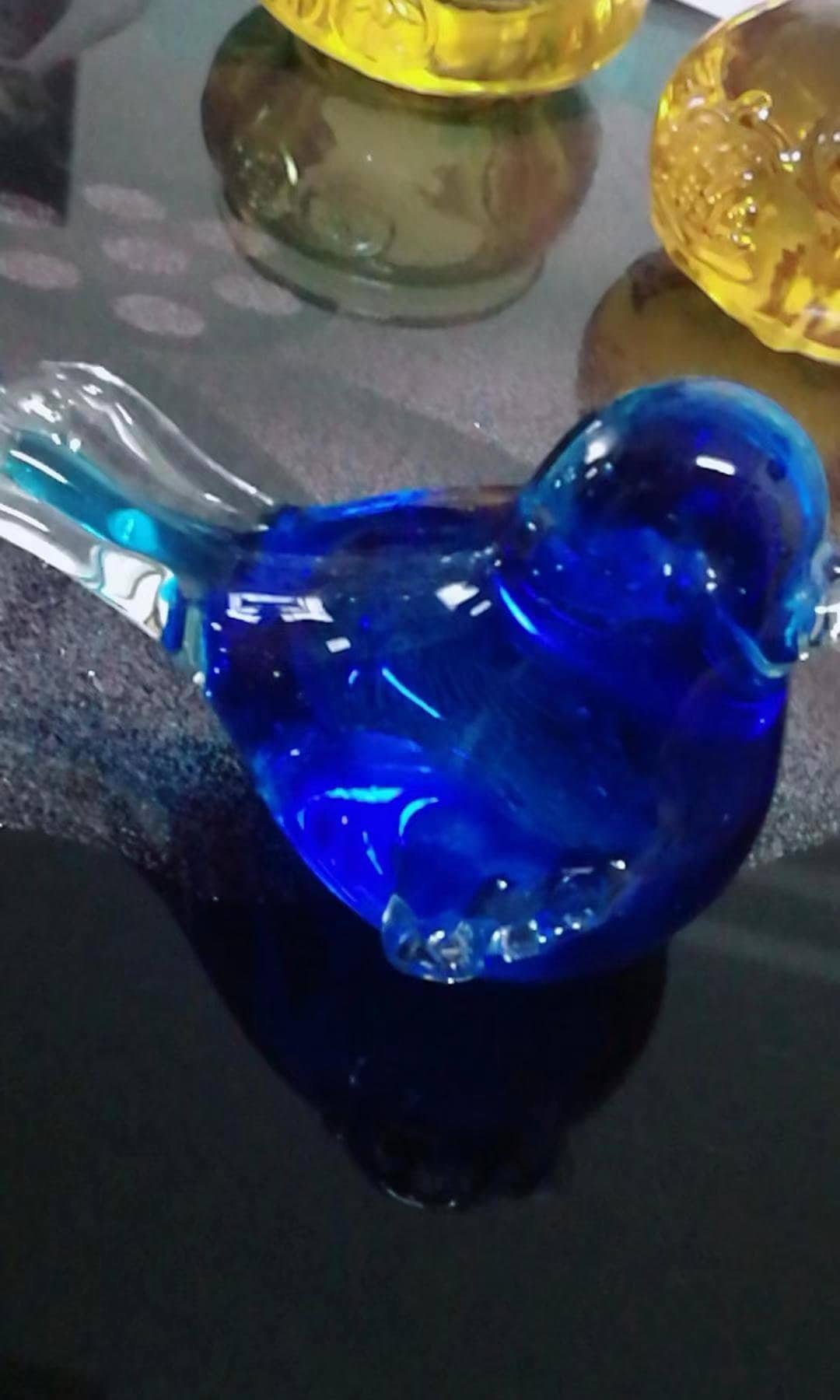
Clear glass, unlike colored glass, allows for a play of light and transparency that can evoke a sense of serenity and elegance. Artisans who specialize in clear glass ornaments often emphasize the following characteristics:
- Light Reflection: Clear glass refracts and reflects light, creating beautiful visual effects.
- Versatility: Clear glass can be shaped into countless forms while maintaining an ethereal quality.
- Symbolism: Birds often symbolize freedom, hope, and transcendence, making them an ideal subject for clear glass artwork.
Techniques in Crafting Glass Bird Ornaments
Creating glass bird ornaments is a meticulous process that requires skill, patience, and an understanding of various techniques. Here are some of the primary methods used by artisans:
Glassblowing
Glassblowing is one of the most prominent techniques used in creating glass ornaments. This method involves:
- Heating glass in a furnace until it becomes molten.
- Using a blowpipe to inflate the molten glass into a bubble.
- Shaping the bubble into the desired form, such as that of a bird.
Artisans often utilize tools like paddles and tweezers to refine the shape and add details, such as wings and beaks.
Lampworking
Lampworking, also known as flame working, involves using a torch to melt glass rods and tubes. This technique allows for intricate detailing and is often used for smaller ornaments. Steps include:
- Heating glass rods in a flame until they become pliable.
- Manipulating the glass with tools to form specific shapes.
- Combining different colors and types of glass for unique effects.
This method excels in creating detailed features, such as delicate feathers or expressive eyes.
The Role of Transparency in Design
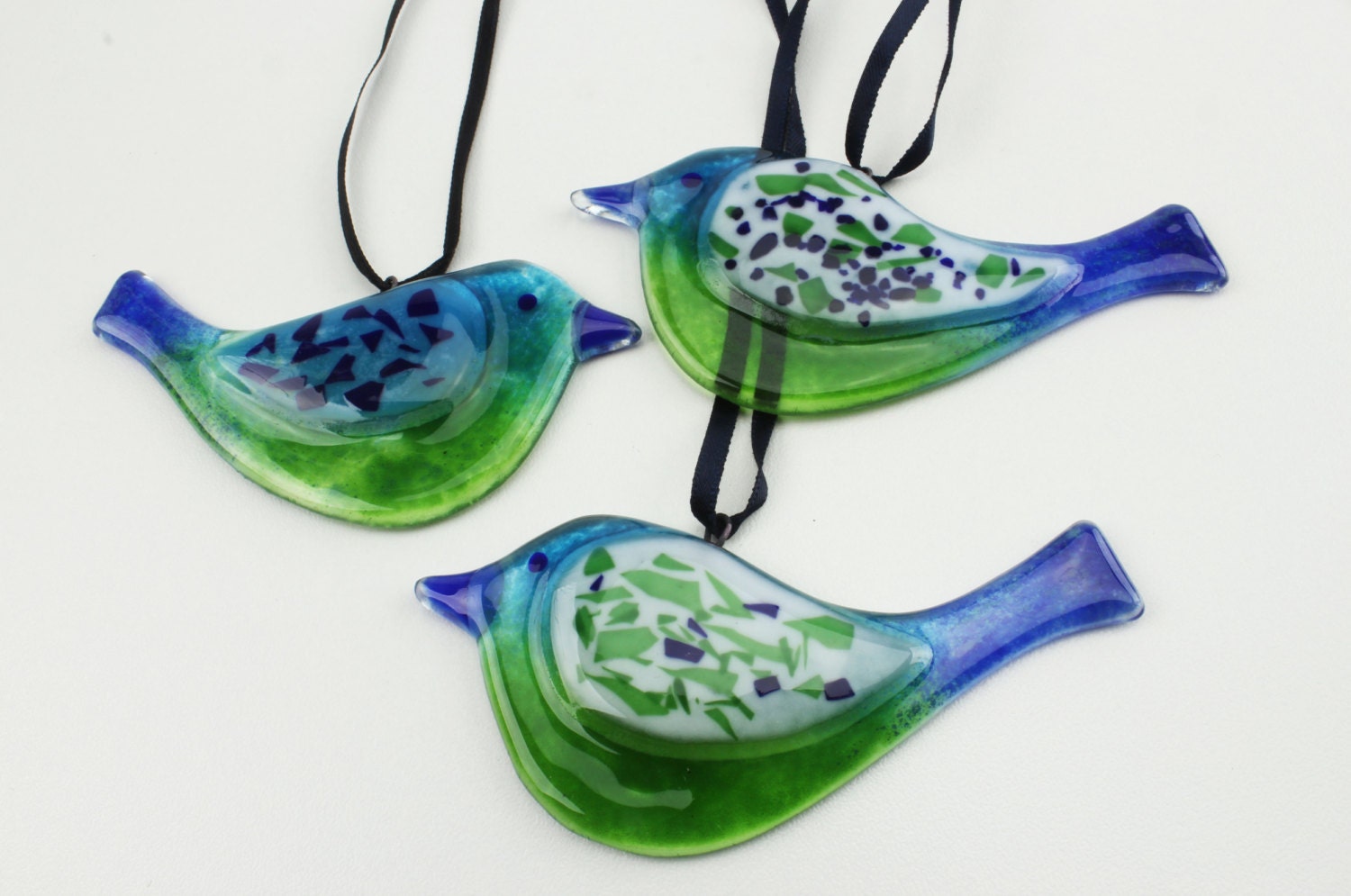
Transparency plays a crucial role in the aesthetic appeal of glass bird ornaments. Designers leverage the clarity of glass to enhance their artistic vision:
- Illumination: Clear glass ornaments can catch and reflect light, creating a dazzling display when hung in windows or trees.
- Layering: Artists may layer different shapes and sizes of glass to create depth in their designs, making the ornaments appear more dynamic.
- Minimalism: The simplicity of clear glass allows the viewer to appreciate the craftsmanship without distraction, emphasizing form and function.
Case Studies: Notable Glass Artists
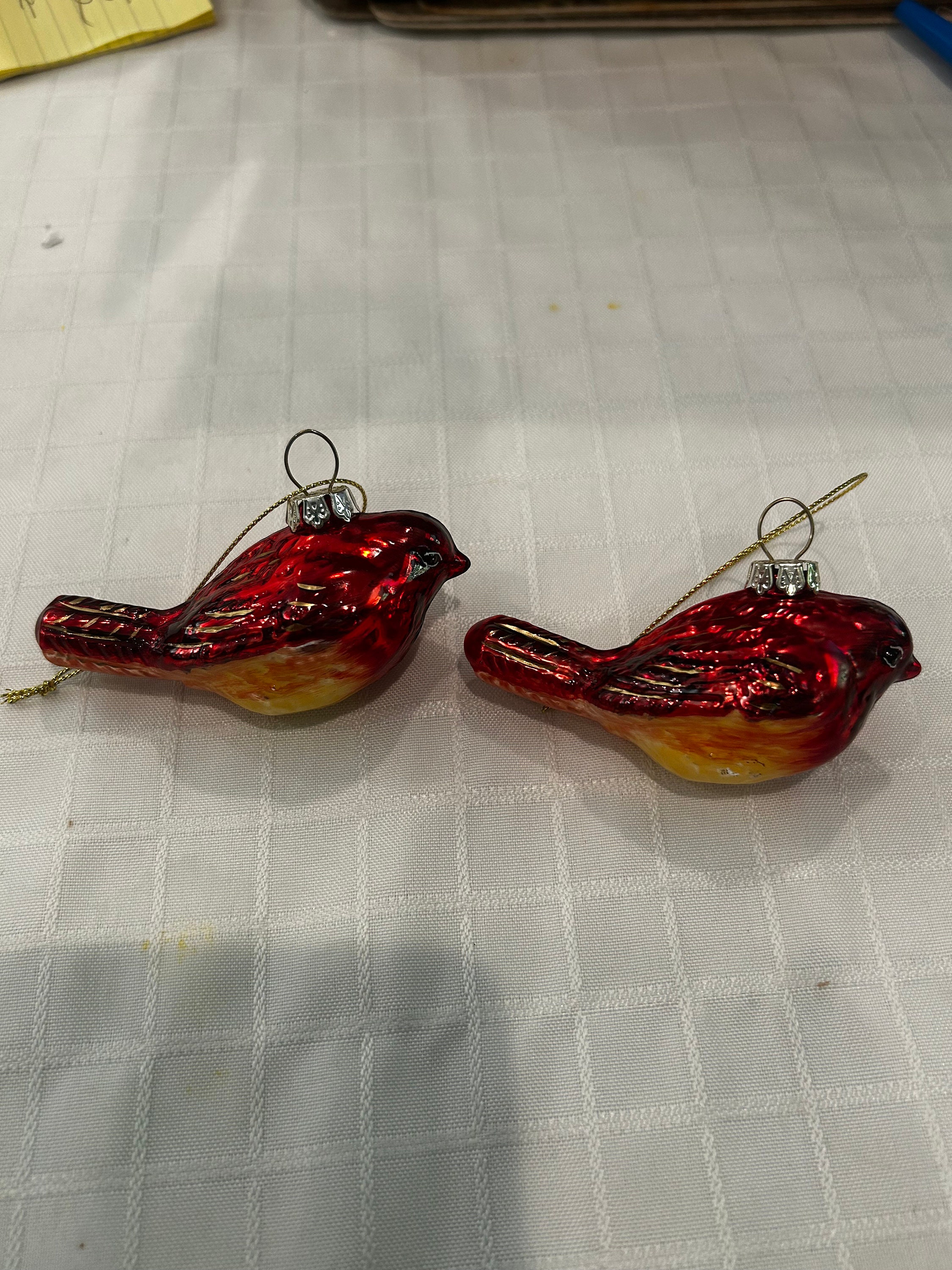
Several contemporary artists have made significant contributions to the art of glass bird ornaments. Their work showcases the beauty and intricacy of this craft:
David McDermott
David McDermott is known for his whimsical glass birds that embody movement and life. His use of clear glass allows for stunning light refraction, making his pieces appear almost alive.
Debbie Tarsitano
Debbie Tarsitano’s work focuses on nature-inspired designs. Her clear glass birds often incorporate elements of the natural world, blending transparency with organic forms.
Statistics and Market Trends
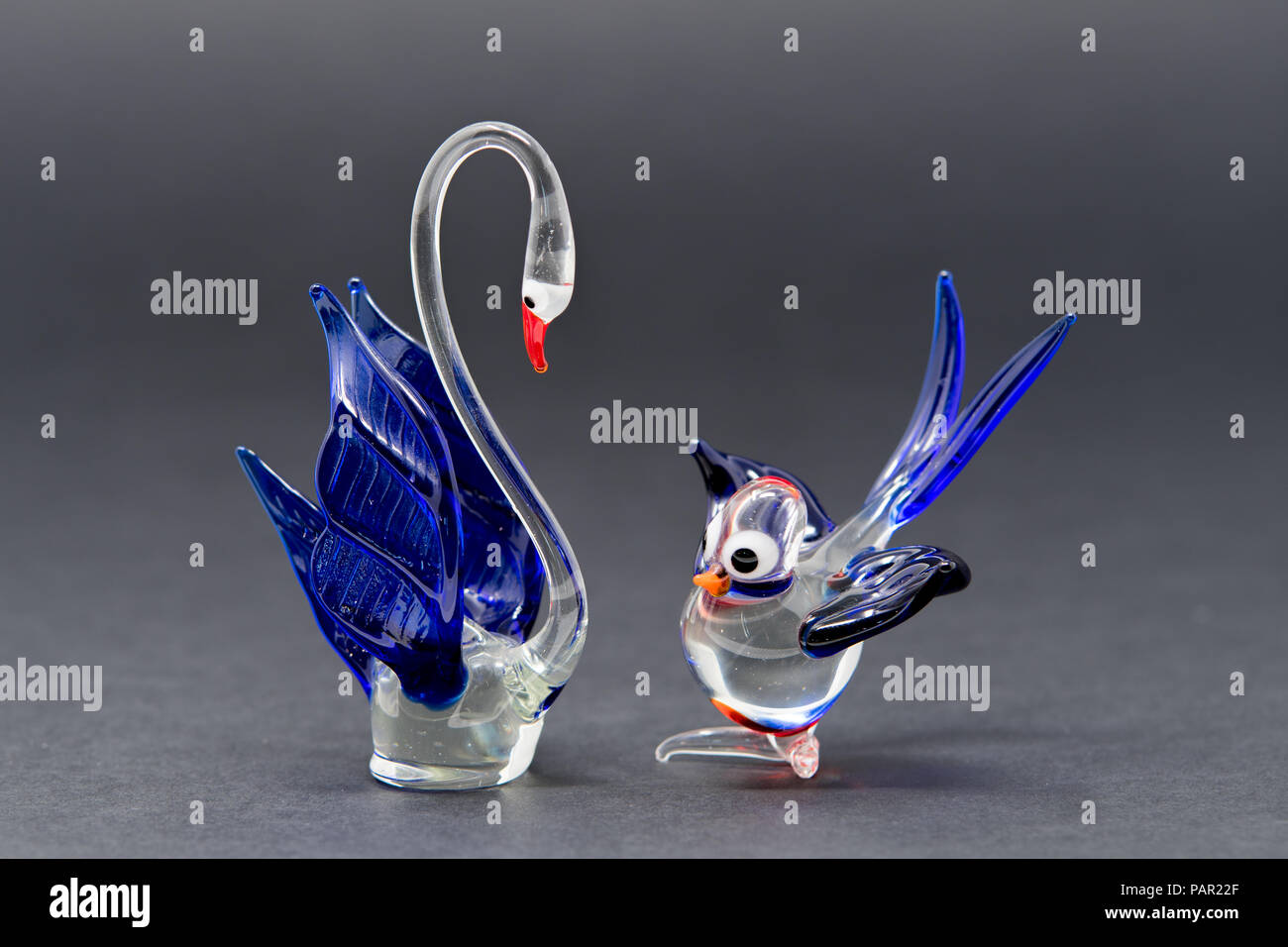
The market for handcrafted glass art, including bird ornaments, has seen consistent growth. According to a report by IBISWorld, the market for glass and glassware manufacturing in the USA has grown at an annual rate of 2.3% over the past five years, reaching approximately $14 billion in 2021. This growth reflects a broader trend towards personalized and artisanal home décor, with consumers increasingly valuing unique, handcrafted items.
Collecting and Gifting Glass Bird Ornaments

Glass bird ornaments have become popular collectibles and gifts. Their unique nature makes them perfect for various occasions:
- Holidays: Many people adorn their Christmas trees with glass bird ornaments, celebrating the season’s spirit.
- Weddings: Clear glass birds can serve as elegant wedding favors or centerpieces.
- Home Decor: These ornaments can enhance any room, adding a touch of sophistication and charm.
Collectors often seek limited edition pieces or those by renowned artists, making these ornaments not only decorative but also valuable investments.
Conclusion: Embracing the Art of Transparency

The art of crafting unique clear glass bird ornaments is a beautiful fusion of skill, creativity, and tradition. From the ancient techniques of glassblowing and lampworking to the modern inspirations of contemporary artists, the journey of glass art is rich and evolving. As we appreciate these delicate creations, we also recognize the deeper meanings they hold, from symbolism to craftsmanship.
As the market for handcrafted glass continues to grow, the allure of transparency in design remains a significant factor in the appeal of glass bird ornaments. Whether as a cherished collectible, a thoughtful gift, or a stunning piece of home décor, these ornaments capture the essence of artistry and nature, reminding us of the beauty in simplicity.
Ultimately, the art of transparent glass crafting invites us to explore light, form, and the delicate balance between fragility and strength—qualities that resonate deeply within the human experience.