Under cabinet lighting is a crucial element in modern kitchen design, enhancing both functionality and aesthetics. The right lighting can illuminate your workspace, create ambiance, and significantly improve the overall look of your kitchen. With various options available, particularly in low voltage lighting, it’s essential to consider several factors to ensure you make the best choice. This article will guide you through the process of selecting the right under cabinet low voltage lighting for your kitchen.
Understanding Low Voltage Lighting

Low voltage lighting typically operates at 12 or 24 volts, and it is often used in applications where efficiency and safety are paramount. It is ideal for under cabinet installations due to its energy-saving capabilities and lower heat output compared to traditional lighting. Here are some benefits of low voltage lighting:
- Energy Efficiency: Low voltage systems consume less energy, which can lead to lower electricity bills.
- Reduced Heat Output: They generate less heat, making them safer for installation near cabinetry and other sensitive materials.
- Flexibility: Low voltage lights come in various forms, making them versatile for different kitchen designs.
- Longer Lifespan: LED low voltage lights have a significantly longer lifespan than traditional incandescent bulbs.
Types of Under Cabinet Low Voltage Lighting
When selecting under cabinet lighting, you’ll encounter several types of low voltage options. Here are the most common types:
- LED Strip Lights: These flexible strips can be cut to size and installed easily under cabinets for a sleek and modern look.
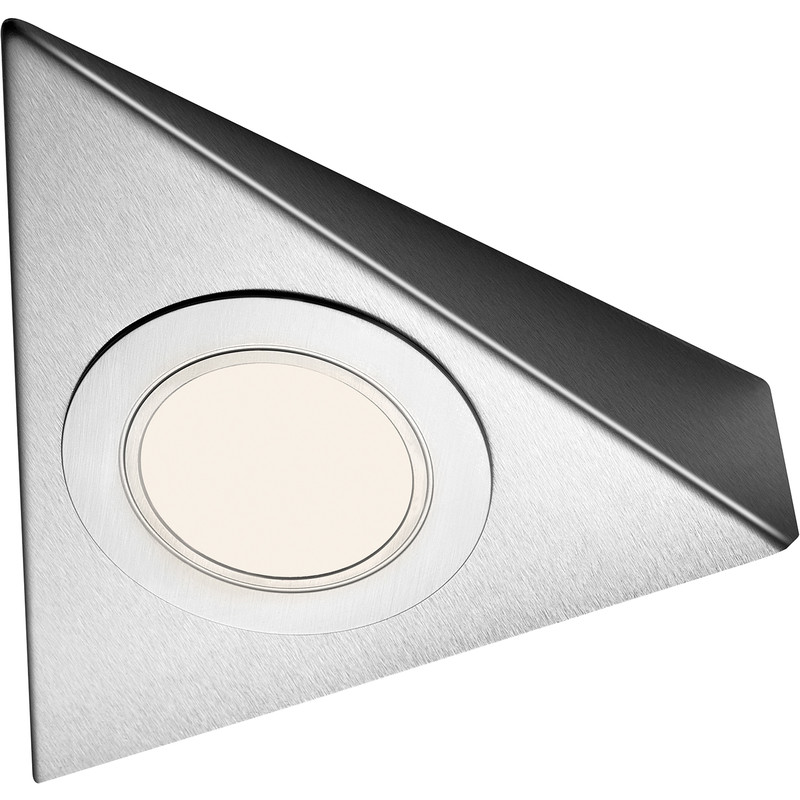
- LED Puck Lights: Small, rounded light fixtures that can be recessed or surface-mounted for focused lighting.
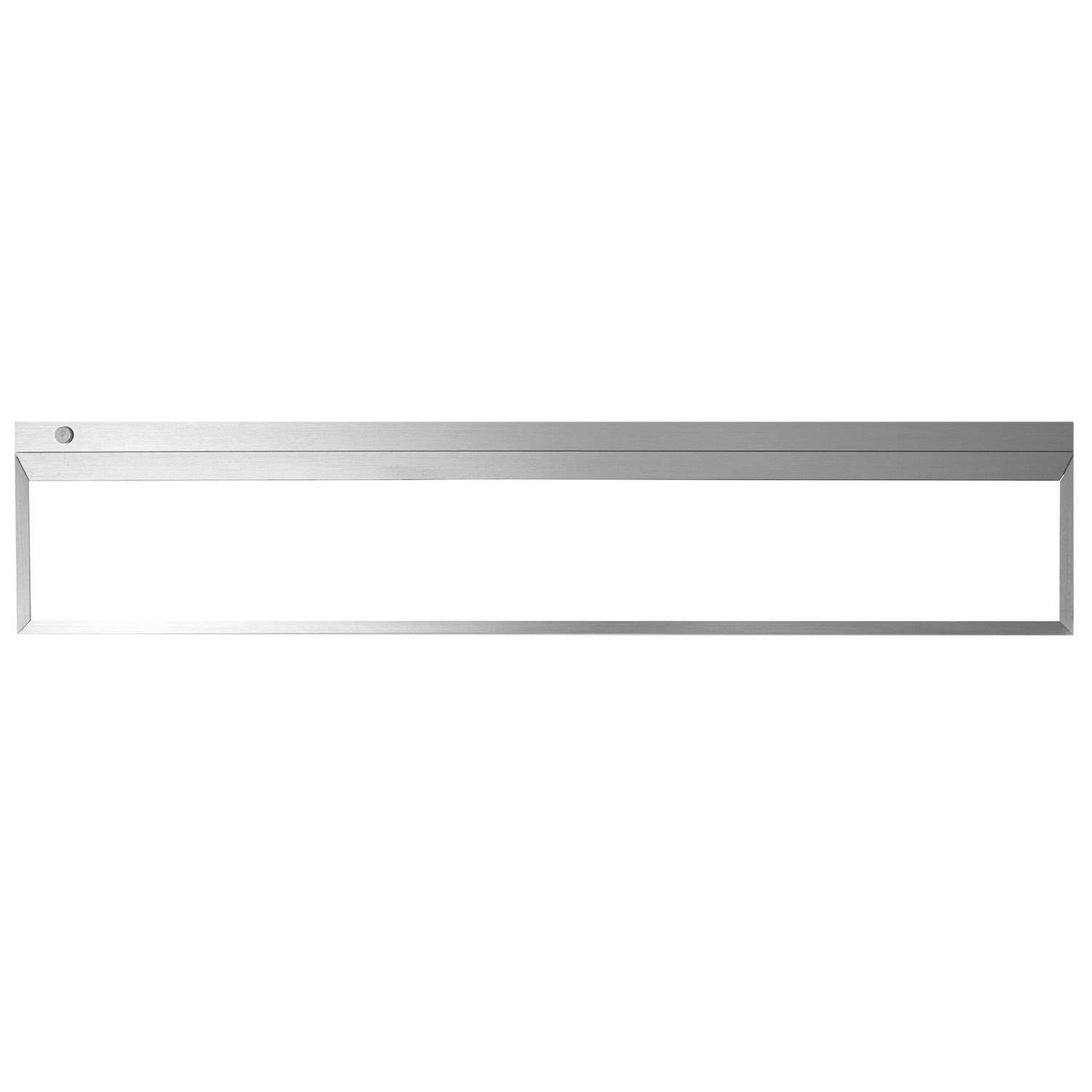
- LED Light Bars: Longer fixtures that provide even lighting across larger areas, ideal for wider cabinets.
- Halogen Lights: While not as energy-efficient as LEDs, they provide a bright, warm light that some homeowners prefer.
Factors to Consider When Choosing Low Voltage Lighting

Selecting the right under cabinet low voltage lighting involves several considerations, including:
1. Brightness and Color Temperature
Brightness is measured in lumens, and the required brightness for kitchen tasks can vary. As a general guideline:
- For task lighting, aim for 300-500 lumens per linear foot.
- For ambient lighting, 100-200 lumens per linear foot can create a pleasant atmosphere.
Additionally, color temperature plays a crucial role in the ambiance of your kitchen. Measured in Kelvin (K), the options include:
- Warm White (2700K-3000K): Creates a cozy, inviting atmosphere.
- Neutral White (3500K-4100K): Offers a balance between warmth and brightness, suitable for task lighting.
- Cool White (5000K-6500K): Provides a bright, daylight-like effect, ideal for detailed tasks.
2. Installation Method
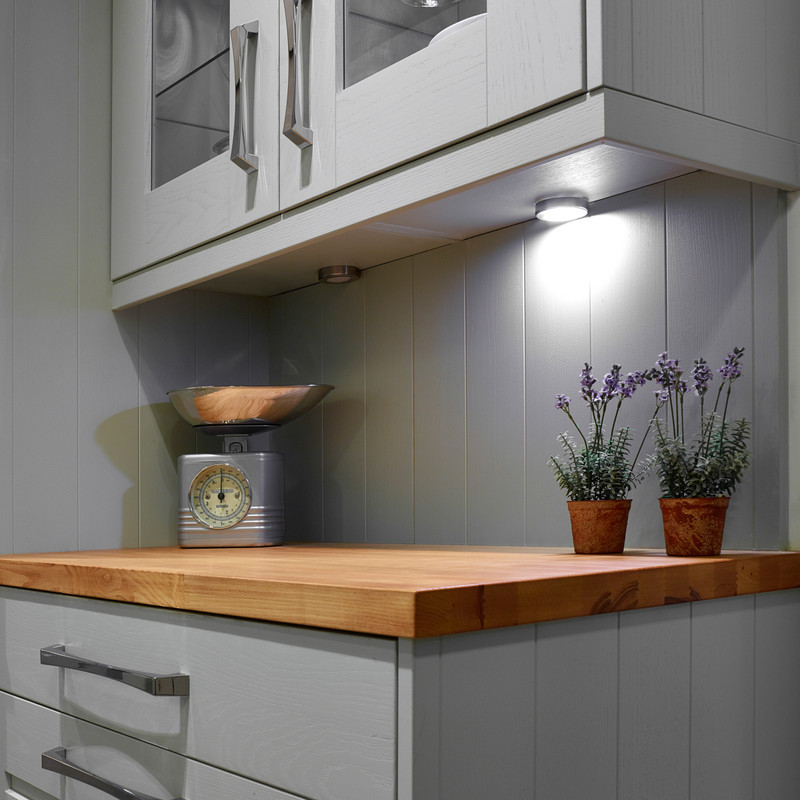
Consider how you want to install your lighting. Options include:
- Surface Mounting: Easiest to install and can be done with adhesive strips or screws.
- Recessed Installation: Requires cutting into the cabinetry, offering a more integrated look.
Evaluate your DIY skills and the complexity of installation to determine the best method for your project.
3. Power Source and Wiring
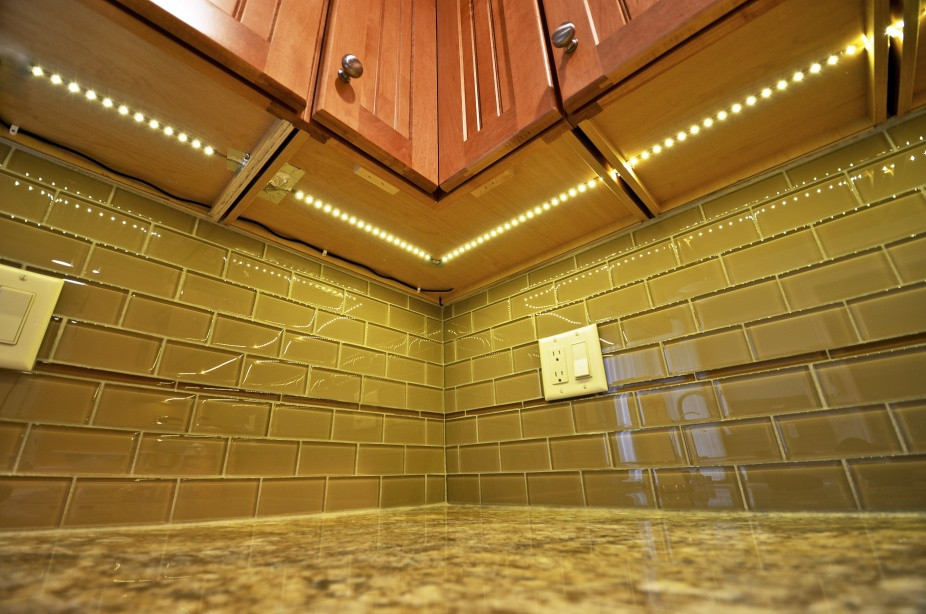
Most low voltage under cabinet lights require a transformer to convert standard 120V household electricity to low voltage. Consider the following:
- Transformer Placement: It can be placed in a cabinet or near an outlet, but ensure it is easily accessible for maintenance.
- Wiring Needs: Plan your wiring layout to minimize visible cords and ensure safety.
4. Style and Design
Choose a style that complements your kitchen’s overall aesthetic. Some popular design options include:
- Modern: Sleek LED strips or minimalist puck lights.
- Traditional: Decorative fixtures that resemble vintage styles.
- Industrial: Metal fixtures with a rustic finish for a modern farmhouse look.
Case Studies: Successful Under Cabinet Lighting Installations
To illustrate the impact of well-chosen under cabinet lighting, consider the following case studies:
Case Study 1: A Modern Apartment Kitchen
A couple renovated their small urban kitchen, opting for LED strip lights under their cabinets. They chose a cool white (5000K) temperature to brighten the space and used a dimmer switch for flexibility. The result was a bright and airy kitchen, making cooking and entertaining more enjoyable.
Case Study 2: A Family-Friendly Kitchen
A family in a suburban home needed functional lighting for meal prep while maintaining a warm atmosphere. They installed halogen puck lights with a warm white (3000K) color temperature. This choice provided ample brightness for tasks while creating a cozy ambiance for family gatherings.
Installation Tips for Under Cabinet Low Voltage Lighting
Once you’ve selected your under cabinet lighting, consider these installation tips:
- Plan Your Layout: Measure your cabinets and plan where each light will be placed for optimal coverage.
- Use a Level: Ensure your lights are installed straight to maintain a clean look.
- Test Before Finalizing: Temporarily set up the lights to test brightness and placement before final installation.
Choosing the right under cabinet low voltage lighting for your kitchen is a decision that can significantly enhance both functionality and aesthetics. By understanding the types of lighting available, considering factors such as brightness, color temperature, and installation methods, and learning from successful case studies, you can make an informed decision. Remember to take your kitchen’s style into account, ensuring your lighting complements your overall design. With the right lighting, your kitchen can become a more enjoyable, efficient, and visually appealing space.