A 5 cubic foot chest freezer, while seemingly small, offers a significant boost to any kitchen’s storage capabilities. Whether you’re a seasoned bulk shopper, a passionate gardener preserving your harvest, or simply someone looking to reduce food waste and save money, a well-organized chest freezer is your secret weapon. However, without a strategic approach, this compact powerhouse can quickly transform into a chaotic ice cave, making it difficult to find what you need and potentially leading to forgotten, freezer-burned food. This comprehensive guide will equip you with the knowledge and tools to transform your 5 cu ft chest freezer into an efficient, accessible, and money-saving asset.
Understanding the Challenges of a 5 cu ft Chest Freezer
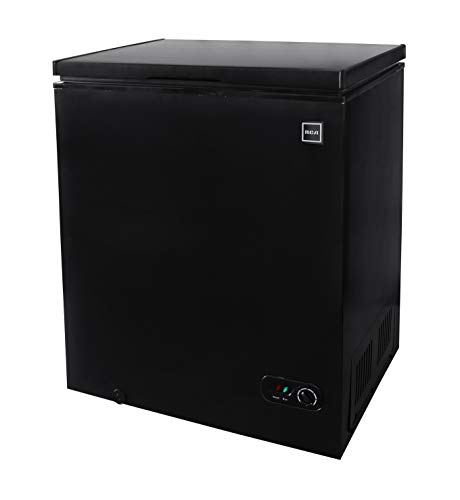
Chest freezers, by their very nature, present unique organizational challenges. Unlike upright freezers with shelves and drawers, the open cavity of a chest freezer requires a more deliberate system. The lack of distinct compartments means items can easily get buried, leading to:
- Hidden Gems (and Disasters): Food items at the bottom can be forgotten for months, eventually succumbing to freezer burn and becoming unusable.
- Wasted Space: Inefficient stacking can leave significant air pockets, reducing the overall storage capacity and making it harder to fit everything you need.
- Time and Energy Drain: Digging through a disorganized freezer to find a specific ingredient can be frustrating and time-consuming.
- Increased Food Waste: When food is hard to find, it’s more likely to be overlooked and discarded when it’s no longer fresh. Statistics from the USDA indicate that significant amounts of food are wasted at the household level, and an organized freezer can be a key part of the solution.
Phase 1: Preparation is Key – Before You Organize
Before diving into the organizational trenches, a little preparation goes a long way. This phase is crucial for a successful and long-lasting organization system.
Emptying and Defrosting
This is non-negotiable. You cannot effectively organize a freezer full of items. It’s also the perfect opportunity to:
- Defrost: Over time, frost buildup reduces efficiency and takes up valuable space. Follow your freezer’s manual for defrosting instructions. This might involve unplugging the unit and letting it thaw naturally, or using a hairdryer on a low setting to speed up the process. Place towels around the base to catch melting ice.
- Clean: Once defrosted, give the interior a good scrub with a mild detergent and water. A vinegar and water solution can also help with odors. Ensure the interior is completely dry before restocking.
Inventory and Cull

As you empty the freezer, take stock of everything. This is your chance to be ruthless and make informed decisions.
- Check Expiration Dates: Discard anything that is past its prime or shows signs of freezer burn (dry, discolored patches).
- Assess Usability: Are there items you bought with good intentions but will likely never use? Consider donating unopened, non-perishable frozen goods to a local food bank if they are still within their usable lifespan.
- Consolidate: If you have multiple small packages of the same item, combine them into a single, larger package.
Phase 2: Strategic Storage Solutions – The Backbone of Organization

With your freezer empty and clean, it’s time to implement a system that maximizes space and ensures accessibility. For a 5 cu ft chest freezer, this often involves a combination of containers and a smart placement strategy.
Invest in the Right Containers

Containers are your best friends in a chest freezer. They create distinct zones, prevent items from shifting, and protect food from freezer burn.
- Freezer Bags: High-quality, freezer-grade zip-top bags are essential for smaller items, pre-portioned meals, and leftovers. Squeeze out as much air as possible before sealing to prevent freezer burn. Consider purchasing a vacuum sealer for ultimate protection and space-saving.
- Airtight Food Storage Containers: Reusable plastic or glass containers are excellent for larger items, pre-made meals, soups, and stews. Ensure they are freezer-safe and have tight-fitting lids.
- Bins and Baskets: This is where the magic happens for a chest freezer. Use various sizes of sturdy bins and baskets to create vertical zones.
- Categorization Bins: Designate specific bins for categories like “Meats,” “Vegetables,” “Fruits,” “Prepared Meals,” and “Baked Goods.”
- Stackable Bins: Opt for stackable bins to maximize vertical space.
- Wire Baskets: These are great for items that don’t need to be fully enclosed, like bags of frozen vegetables or fruits.
The Power of Categorization: Creating Zones

The most effective way to organize a chest freezer is by creating distinct zones for different types of food. This allows you to quickly locate what you need without digging.
- Layering Strategy: Think of your freezer like a filing cabinet. The most frequently used items should be at the top, while less frequently used or bulkier items can go towards the bottom.
- Meat Section: Dedicate a bin or basket solely for raw meats. This prevents cross-contamination and makes it easy to grab what you need for dinner.
- Vegetable and Fruit Zones: Group your frozen vegetables and fruits together. If you have a lot, consider separate bins for each.
- Prepared Meals and Leftovers: This is a fantastic use for your freezer. Store individual portions or family-sized meals in airtight containers and label them clearly.
- Baked Goods: If you bake frequently, a dedicated bin for muffins, cookies, bread, and pastries can be a lifesaver.
- “Quick Grab” Area: Keep a small bin or designated space for items you use most often, like frozen vegetables for a quick side dish or a bag of berries for your morning smoothie.
Maximizing Vertical Space
Chest freezers offer significant vertical storage potential, which is often underutilized. This is where bins and baskets truly shine.
- Stacking Bins: As mentioned earlier, stackable bins are crucial. They allow you to create multiple layers of organized storage within the freezer.
- Wire Shelf Inserts: If your freezer came with a wire basket, consider purchasing additional wire shelf inserts to create smaller compartments within the basket.
- Hanging Baskets (if applicable): Some chest freezers have rails or lips on the sides that allow for hanging baskets. This is an excellent way to utilize the upper space without impeding access to items below.
Phase 3: Labeling and Inventory Management – The Long-Term Strategy
Organization is not a one-time event. Consistent labeling and inventory management are key to maintaining order and minimizing waste.
The Art of Labeling
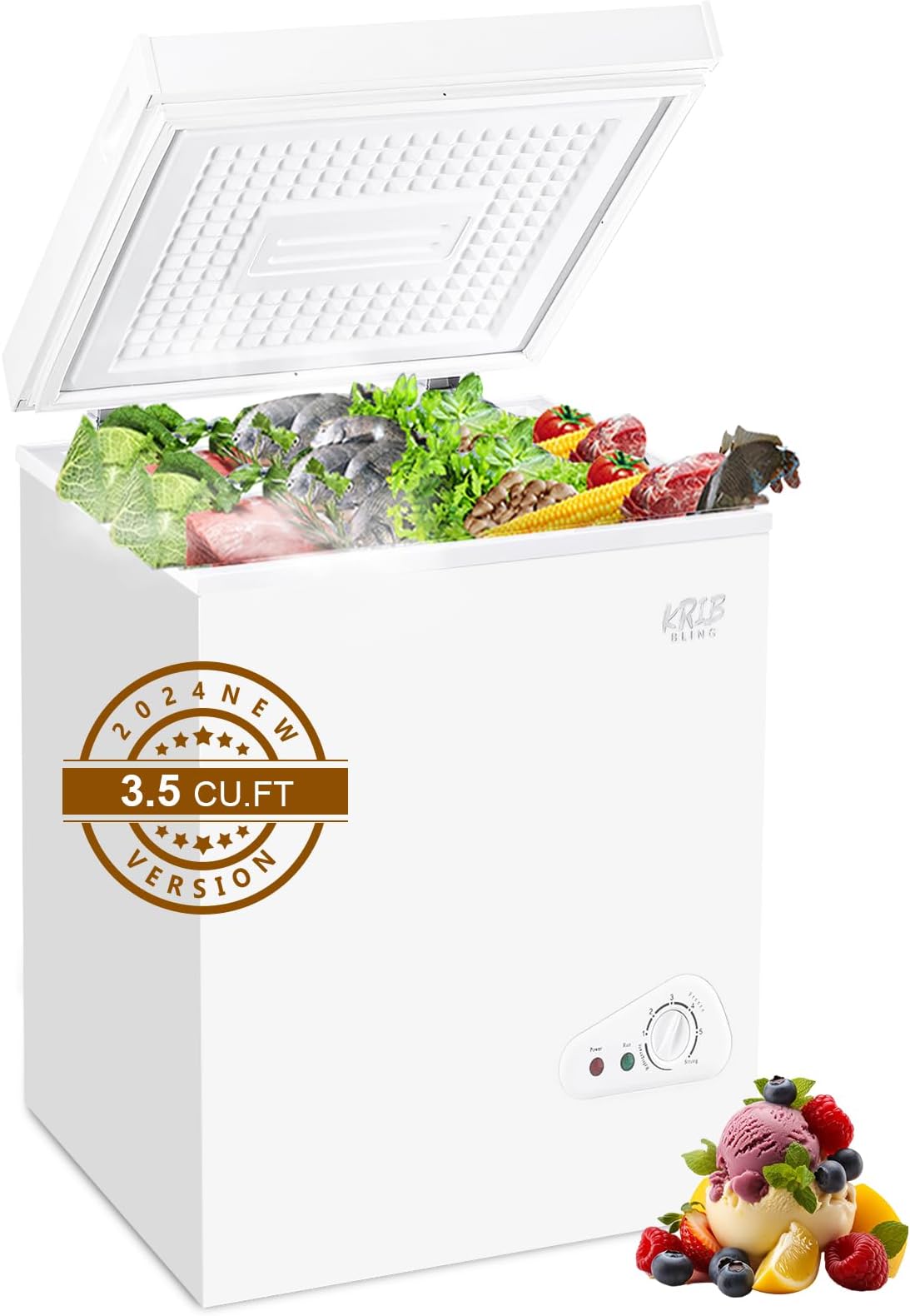
Clear, concise labeling is paramount. This is where you avoid the “what is this?” guessing game.
- What to Include:
- Item Name: Be specific (e.g., “Ground Beef,” “Broccoli Florets,” “Chicken Stir-fry”).
- Date: This is critical for tracking freshness. Include the date you froze the item.
- Quantity (optional but helpful): If you freeze multiple portions, note how many.
- Use-by Date (if applicable): For pre-packaged items, keep this visible.
- Labeling Methods:
- Permanent Marker on Freezer Bags: Write directly on freezer bags with a permanent marker.
- Labels with Adhesive: Invest in good quality freezer labels that won’t peel off in the cold.
- Label Maker: For a neat and professional look, a label maker is an excellent investment.
- Masking Tape and Marker: A budget-friendly option, but ensure the tape adheres well.
Inventory Management: Knowing What You Have
An inventory system transforms your freezer from a black hole into a well-managed pantry.
- Physical Inventory Sheet: Keep a notepad or a printed inventory sheet near your freezer. As you add or remove items, update the list.
- Digital Inventory Apps: Several apps are designed for pantry and freezer inventory. These can be convenient for managing your stock and even creating shopping lists.
- Regular Check-ins: Schedule a quick review of your inventory and freezer every month or two. This helps you identify items that have been in the freezer for a long time and need to be used.
Case Study: The Busy Parent’s Freezer Success
Sarah, a mother of two young children, struggled with freezer organization. Her 5 cu ft chest freezer was a jumble of random packages, leading to frequent impulse buys at the grocery store and a surprising amount of forgotten food. She decided to implement a new system:
- Empty and Defrost: She spent a Saturday morning emptying, defrosting, and cleaning her freezer.
- Categorization Bins: Sarah invested in several sturdy bins. She labeled one “Breakfast Items” (muffins, pancakes), another “Lunches” (pre-made soups, chicken nuggets), a third “Dinner Components” (pre-portioned chicken breasts, ground beef), and a fourth for “Fruits & Veggies.”
- Meal Prepping Sundays: Sarah began dedicating a couple of hours on Sundays to meal prepping. She would cook larger batches of chili, pasta sauce, and chicken, then portion them into freezer-safe containers.
- Labeling Frenzy: Every item was meticulously labeled with the dish name and the date it was frozen.
Within a month, Sarah noticed a significant difference. Finding ingredients for dinners was effortless, impulse grocery purchases decreased by 20%, and she felt a sense of control over her food supply. Her family also enjoyed the convenience of having healthy, pre-made meals readily available.
Tips for Specific Foods
Different food items benefit from specific organizational approaches:
- Meats:
- Portion into meal-sized servings.
- Use vacuum-sealed bags for maximum protection.
- Group by type (e.g., chicken breasts, ground beef, pork chops).
- Vegetables and Fruits:
- Blanch vegetables before freezing to preserve quality.
- Freeze fruits on baking sheets in a single layer before transferring to bags to prevent clumping.
- Use freezer bags for smaller quantities, or bins for larger amounts.
- Prepared Meals and Leftovers:
- Use airtight, freezer-safe containers.
- Label clearly with the name of the dish and date.
- Consider stacking similar-sized containers for efficient storage.
- Baked Goods:
- Wrap items like cookies and muffins individually in plastic wrap before placing in freezer bags or containers.
- Bread can be frozen whole or sliced.
Maintaining Your Organized Freezer
Organization is an ongoing process. Here are tips for long-term success:
- “First-In, First-Out” (FIFO): When adding new items, place them behind older items. This ensures that older food is used first.
- Regular “Clean-Out” Sessions: Schedule a mini-organization session every few months to review inventory, discard anything past its prime, and re-arrange as needed.
- Avoid Overpacking: Don’t stuff your freezer to the brim. Allow for air circulation, which is essential for efficient freezing and preventing frost buildup.
- Keep a Shopping List Handy: As you use items, jot them down on your grocery list to avoid running out of staples.
Your 5 cu ft chest freezer is a valuable tool for saving money, reducing food waste, and simplifying meal preparation. By investing a little time and effort into proper organization, you can transform it from a potential source of frustration into an efficient and indispensable asset. The key lies in strategic preparation, the smart use of containers and zoning, and consistent labeling and inventory management. Embrace the power of categorization, maximize your vertical space, and make labeling a habit. With these principles in practice, you’ll not only be able to find what you need with ease but also significantly extend the life of your frozen goods, ensuring that every item you store contributes to delicious and budget-friendly meals. So, take the plunge, get organized, and unlock the full, delicious potential of your compact chest freezer!