In the quest for sustainable living, eco-friendly furniture has emerged as a significant area of interest. One material that stands out in this domain is mango wood. Known for its durability and aesthetic appeal, mango wood has become a popular choice for crafting beds and other furniture. This article explores the benefits of mango wood beds, their ecological advantages, and why they are an excellent choice for eco-conscious consumers.
Understanding Mango Wood

Mango wood comes from the mango tree, primarily cultivated in tropical regions. The tree is known for its fruit, but once it matures and stops producing, it is often cut down for timber. This cycle of use is not only efficient but also environmentally friendly, as it allows for the sustainable harvesting of wood without deforestation.
Characteristics of Mango Wood
Mango wood possesses several characteristics that make it suitable for furniture production:
- Durability: Mango wood is dense and sturdy, making it resistant to wear and tear.
- Aesthetic Appeal: The wood features a unique grain pattern and warm hues ranging from golden yellow to deep brown, making each piece of furniture one-of-a-kind.
- Workability: Its ease of workability allows artisans to create intricate designs and shapes.
- Eco-Friendly: Utilizing mango wood contributes to the reduction of waste, as it repurposes trees that have already completed their fruit-bearing lifecycle.
Environmental Benefits of Mango Wood
Choosing mango wood beds not only enhances your living space but also promotes a sustainable lifestyle. Here are some environmental benefits associated with mango wood:
1. Sustainable Sourcing

Mango trees are often grown in plantations, where they are cultivated specifically for fruit and timber. Once the trees no longer produce fruit, they are harvested for their wood. This method ensures:
- Minimal deforestation, as trees are not cut down solely for timber.
- Replanting initiatives that help maintain ecological balance.
2. Reduced Carbon Footprint
Using mango wood contributes to a reduced carbon footprint in several ways:
- Mango trees absorb significant amounts of carbon dioxide during their growth, helping to mitigate climate change.
- Local sourcing of mango wood minimizes transportation emissions compared to imported hardwoods.
3. Biodegradability
Unlike synthetic materials, mango wood is biodegradable. When your furniture eventually reaches the end of its life cycle, it can decompose naturally without harming the environment.
Mango Wood Beds: Aesthetic and Functional Benefits

Mango wood beds not only contribute to sustainability but also enhance your home’s aesthetic appeal. Here are some reasons to consider investing in mango wood beds:
1. Unique Design and Customization

The natural grain of mango wood allows for a variety of designs, from rustic and traditional to modern and sleek. Homeowners can find:
- Carved headboards with intricate designs.
- Minimalist frames that highlight the wood’s natural beauty.
- Customizable options to fit different interior styles.
2. Long-lasting Investment
Mango wood beds are built to last, providing a long-term investment for your home. Their durability means they can withstand the rigors of daily use without compromising on quality. This longevity reduces the need for frequent replacements, further supporting sustainable living.
3. Healthier Indoor Environment
Unlike synthetic materials that can emit volatile organic compounds (VOCs), mango wood is a natural material, helping to maintain a healthier indoor air quality. Additionally, it is less likely to harbor allergens compared to upholstered furniture.
Case Studies and Real-Life Applications
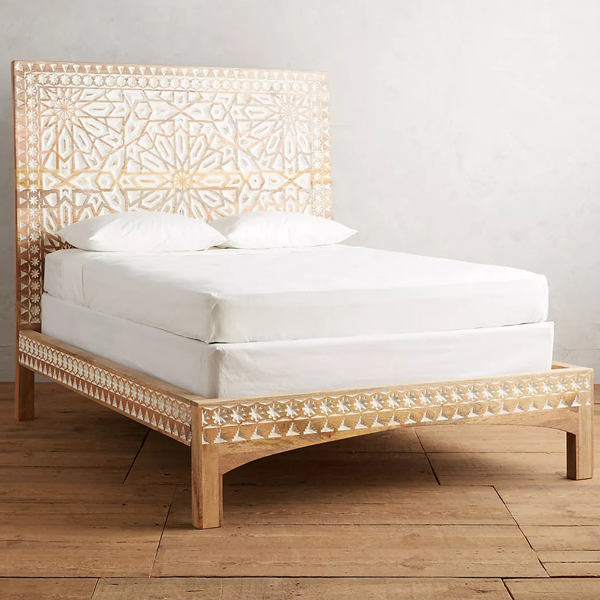
Numerous furniture brands have embraced mango wood for its sustainability and aesthetic qualities. Here are a couple of notable examples:
1. The Mango Wood Revolution
A furniture company based in India has pioneered the use of mango wood in their product line. By sourcing wood from local plantations, they ensure that their supply chain is sustainable. In doing so, they provide employment to local artisans while promoting eco-friendly practices. Their collection of beds showcases the beauty of mango wood, with varying designs that cater to diverse tastes.
2. Eco-Friendly Initiatives in the U.S.

In the United States, a growing number of furniture retailers are featuring mango wood beds in their eco-friendly collections. One such retailer has reported a 30% increase in sales of mango wood products over the past three years, highlighting the growing consumer interest in sustainable furniture options. This trend not only signifies a shift in consumer preferences but also encourages more brands to explore sustainable materials.
Statistics Supporting the Shift to Eco-Friendly Furniture
The movement towards eco-friendly furniture, including mango wood beds, is backed by compelling statistics:
- A report from the Global Sustainable Furniture Council states that the demand for sustainable furniture is expected to grow by 20% annually.
- According to a survey by Nielsen, 66% of consumers are willing to pay more for products from sustainable brands.
- The U.S. Environmental Protection Agency estimates that furniture accounts for nearly 9% of landfill waste, emphasizing the importance of choosing sustainable options.
How to Care for Mango Wood Beds
To ensure the longevity of your mango wood bed and maintain its appearance, proper care is essential. Here are some maintenance tips:
- Regular Cleaning: Use a soft, damp cloth to wipe dust and dirt. Avoid harsh chemicals that can damage the wood.
- Polishing: Occasionally apply a natural wood polish to enhance the wood’s luster and protect it from moisture.
- Avoid Direct Sunlight: Position your bed away from direct sunlight to prevent fading and cracking.
Mango wood beds represent a perfect blend of sustainability, durability, and aesthetic appeal. As consumers become more aware of the environmental impact of their choices, opting for eco-friendly furniture like mango wood is not just a trend but a lifestyle change. The unique characteristics of mango wood, combined with its sustainable sourcing, make it a responsible choice for those committed to living sustainably. By investing in mango wood beds, you are contributing to a healthier planet while enhancing your home’s beauty and functionality. Ultimately, choosing mango wood is a decision that aligns with both personal values and the growing global movement towards sustainable living.