From the earliest stirrings of curiosity to the grandest aspirations, children are natural architects of their own futures. While the tools of their construction may vary – from building blocks and crayons to digital interfaces – there’s a unique and often overlooked contributor to this developmental process: the humble aeroplane toy. Far more than just a fleeting amusement, these miniature marvels of aviation play a profound role in shaping young minds, fostering crucial skills, and igniting the powerful engine of imagination that underpins all future dreams.
The Wings of Imagination: How Aeroplane Toys Take Flight

The allure of flight has captivated humanity for millennia, and it’s no surprise that this fascination is mirrored in the minds of children. Aeroplane toys tap into this innate wonder, transforming a simple playtime object into a powerful catalyst for imaginative exploration. When a child grasps a toy aeroplane, they are not just holding plastic or metal; they are holding potential. They are holding the key to a boundless sky where anything is possible.
Consider the scenarios a child can conjure: soaring through fluffy clouds, embarking on daring rescue missions, or perhaps even piloting a spaceship to distant galaxies. These scenarios are not mere flights of fancy; they are the foundational exercises of problem-solving, narrative construction, and abstract thinking. According to child development experts, imaginative play is directly linked to the development of:
- Cognitive Flexibility: The ability to adapt thinking and approach problems from multiple perspectives.
- Creative Problem-Solving: Devising novel solutions to imaginary challenges.
- Narrative Skills: Developing the ability to tell stories and understand plot structures.
- Abstract Reasoning: Grasping concepts beyond the immediate tangible world.
A study published in the *Journal of Applied Developmental Psychology* found a significant positive correlation between engagement in imaginative play and improved executive functions in preschool-aged children, including planning, working memory, and impulse control. Aeroplane toys, with their inherent themes of exploration and adventure, provide a fertile ground for this vital developmental process.
Navigating the Skies of Cognitive Growth
Beyond the realm of pure imagination, aeroplane toys offer a surprising array of cognitive benefits that extend into more concrete developmental domains. The act of playing with these toys can stimulate a child’s understanding of spatial relationships, cause and effect, and even early physics principles.
Spatial Reasoning and the Art of Navigation
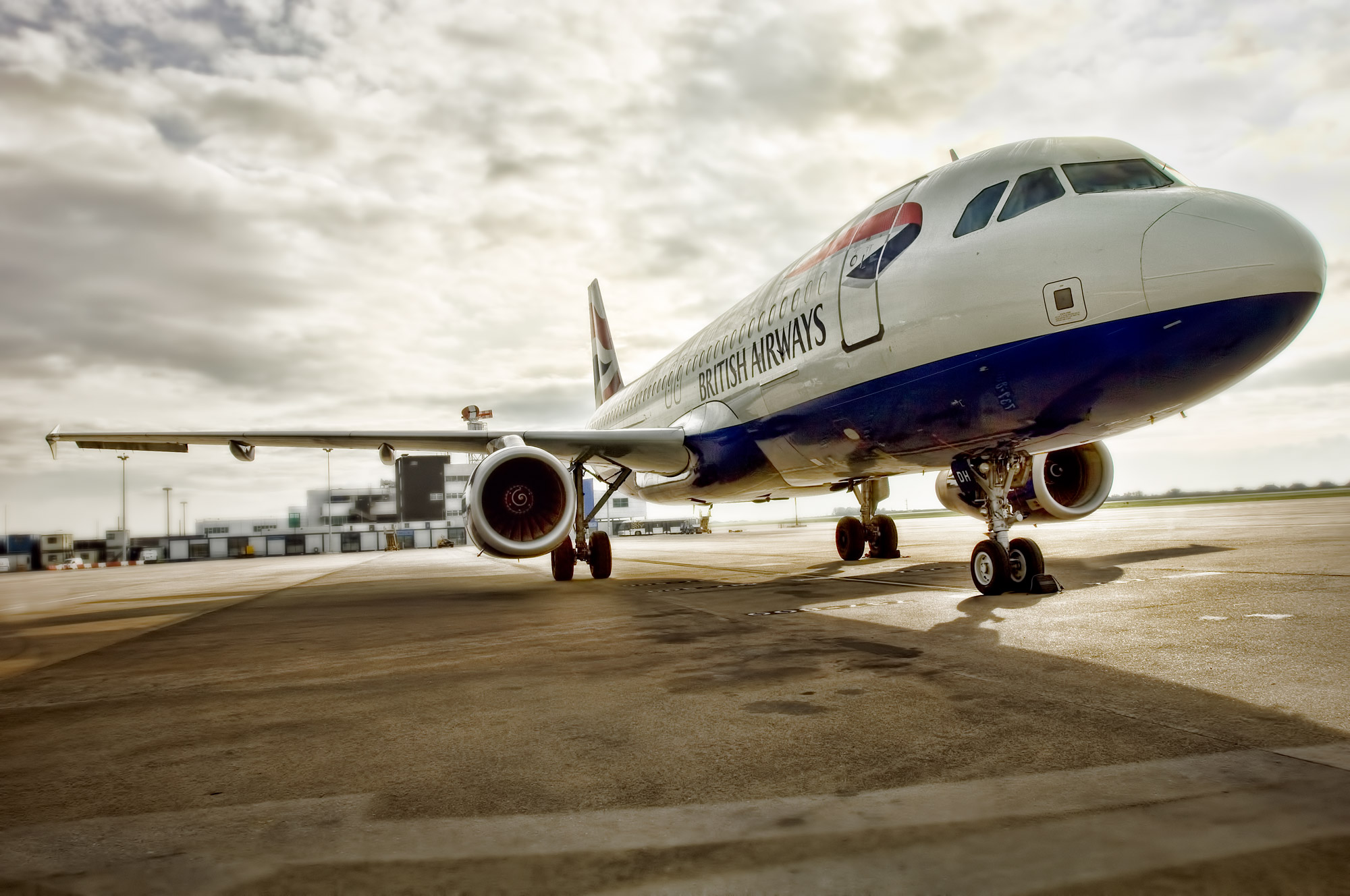
As a child manipulates their aeroplane, they are subconsciously developing an understanding of direction, distance, and orientation. They learn to manoeuvre their toy through imaginary landscapes, demonstrating an awareness of how objects move in three-dimensional space. This is akin to early map-reading and spatial mapping skills that will be crucial for future academic pursuits, from geometry to geography.
For instance, a child might pretend their aeroplane is landing on a “runway” created by books on the floor. They have to judge the trajectory, the speed, and the angle of descent – all intuitive applications of spatial reasoning. This seemingly simple act is building the foundational blocks for understanding concepts like angles, parallel lines, and even the principles of navigation.
Cause and Effect: The Physics of Play
When a child pushes their aeroplane, it moves. When they drop it, it falls. These simple interactions provide immediate feedback, teaching children about the fundamental principles of cause and effect. They learn that their actions have consequences, a crucial lesson for understanding the world around them.
Moreover, more complex aeroplane toys, such as those with propellers that spin or landing gear that retracts, introduce more nuanced cause-and-effect relationships. This can spark an early interest in how things work and the underlying mechanics of the world, potentially nurturing future engineers and scientists.
Soaring to New Social and Emotional Heights
The benefits of aeroplane toys extend beyond the individual, fostering important social and emotional development, particularly when children engage in collaborative play.
Teamwork and Communication in the Cockpit
When multiple children play with aeroplane toys together, they often establish roles – pilots, co-pilots, air traffic controllers, passengers. This necessitates communication, negotiation, and cooperation. They learn to share the “airspace,” take turns piloting, and work towards common goals within their imaginary scenarios.
Consider a group of children building an “airport” out of blocks. One child might be the pilot, deciding where to land. Another could be the air traffic controller, guiding the plane safely. This dynamic play encourages active listening, compromise, and the development of social cues. Research by the LEGO Foundation highlights the importance of play in developing social competence, and aeroplane-themed play is a prime example of this in action.
Emotional Expression and Empowerment
Aeroplane toys can also provide an outlet for emotional expression. A child feeling frustrated might pretend their plane is experiencing turbulence, allowing them to vent their feelings in a safe and controlled manner. Conversely, a child who has overcome a challenge might celebrate their “successful landing” with their aeroplane, reinforcing feelings of accomplishment and resilience.
The act of “piloting” can also instill a sense of control and empowerment in children, especially those who may feel a lack of agency in their daily lives. They are the ones in command, making decisions that guide their adventure. This sense of agency is vital for building self-esteem and fostering a positive self-concept.
From Toy Aeroplanes to Real-World Aspirations
The impact of aeroplane toys on a child’s development can have a lasting, even career-defining, influence. The seeds of ambition sown during imaginative play can blossom into tangible dreams and future aspirations.
Inspiring Future Aviators and Innovators

For many children, the fascination with aeroplanes sparked by a toy can evolve into a genuine interest in aviation. This can lead to a desire to learn more about how planes fly, the history of flight, and eventually, perhaps a career as a pilot, an aerospace engineer, or an air traffic controller.
Anecdotal evidence abounds. Think of successful individuals who recall their childhood fascination with flying machines. The Wright brothers, pioneers of aviation, were known to be fascinated by birds and the mechanics of flight from a young age. While they didn’t have toy aeroplanes as we know them, their early engagement with the concept of flight laid the groundwork for their groundbreaking achievements.
Furthermore, the problem-solving and creative thinking fostered by aeroplane play can translate to any field. A child who learns to navigate complex imaginary flight paths might be the same child who excels at strategic planning in business or complex coding in technology.
The Aeroplane Toy as a Symbol of Possibility

Ultimately, aeroplane toys represent more than just flying machines; they symbolize the boundless possibilities that lie ahead. They embody the spirit of exploration, the pursuit of the unknown, and the courage to venture beyond perceived limitations. When a child dreams of flying, they are dreaming of reaching new heights, of achieving the seemingly impossible.
This powerful symbolism is crucial for fostering a growth mindset. It encourages children to believe that with dedication, learning, and a touch of imaginative ingenuity, their own “flights of fancy” can indeed take off and become reality. The toy aeroplane, in its simplicity, is a potent reminder that the sky is not the limit, but merely the beginning.
Launching Dreams, One Flight at a Time

The humble aeroplane toy, often relegated to the category of mere entertainment, is in fact a powerful tool for holistic child development. It ignites the imagination, hones cognitive skills like spatial reasoning and problem-solving, fosters crucial social-emotional competencies, and can even serve as a springboard for lifelong passions and career aspirations. By providing children with these seemingly simple objects, we are not just offering them a plaything; we are providing them with the wings to explore, to learn, and to build the grandest dreams imaginable. The next time you see a child engrossed in the world of their toy aeroplane, remember that within that small, soaring craft, a universe of potential is taking flight.