For a generation who grew up in the late 1990s and early 2000s, the distinctive, menthol-infused fruit flavors of Halls Fruit Breezers were a staple. These lozenges weren’t just for soothing sore throats; they were a refreshing treat, a burst of invigorating sweetness that could be enjoyed anytime. From the vibrant cherry to the cool menthol-eucalyptus blend, Fruit Breezers carved out a unique niche in the confectionery and throat lozenge market. Yet, as mysteriously as they appeared, they seemed to vanish. This article delves into the likely reasons behind the discontinuation of Halls Fruit Breezers, exploring market shifts, consumer preferences, and the strategic decisions of the parent company, Mondelez International.
The Rise of a Refreshing Icon
Halls, a brand long associated with medicinal cough drops, made a bold move in the late 1990s by introducing the Fruit Breezers line. The innovation wasn’t just about flavor; it was about repositioning the lozenge from a purely medicinal product to one that offered a pleasant, sensory experience alongside its therapeutic benefits. This strategy proved remarkably successful.
Key Factors in Their Popularity:
- Flavor Innovation: Halls moved beyond the traditional menthol, introducing a range of fruit flavors like Cherry, Strawberry, Orange, and even more complex blends.
- Dual Purpose: They offered both a pleasant taste and the known benefits of menthol for congestion and throat relief, making them a guilt-free indulgence.
- Targeted Marketing: The branding and advertising often emphasized refreshment and a “cool sensation,” appealing to a younger demographic and those seeking a quick pick-me-up.
- Convenience: The small, portable packaging made them ideal for on-the-go consumption, fitting easily into pockets and purses.
At their peak, Halls Fruit Breezers were a common sight in convenience stores, supermarkets, and even vending machines. Their bright packaging and accessible price point made them a popular impulse purchase. The brand effectively tapped into a consumer desire for products that offered both functional benefits and an enjoyable taste profile.
The Shifting Tides of the Market
The consumer landscape is rarely static, and the early 2000s witnessed significant changes in food and beverage trends. Several macro-level shifts likely contributed to the eventual decline and discontinuation of Halls Fruit Breezers.
The Health and Wellness Revolution:
As consumer awareness around health and nutrition grew, so did the demand for products perceived as healthier. While Halls Fruit Breezers contained menthol, their sugar content and artificial flavorings began to be scrutinized in an era increasingly focused on natural ingredients and reduced sugar intake. Consumers started seeking alternatives that aligned better with their wellness goals.
The Rise of Functional Confectionery:

The market for “functional” products – those offering additional benefits beyond basic nutrition – exploded. This included energy chews, vitamin-fortified candies, and sugar-free alternatives. While Fruit Breezers were functional in their own right, newer, more specialized products emerged that directly addressed specific health concerns or performance enhancements, often with a more sophisticated ingredient profile.
Increased Competition:

The success of Halls Fruit Breezers naturally attracted competition. Brands like Ricola, Luden’s, and various private label offerings began to introduce their own fruit-flavored lozenges, some with sugar-free options or unique herbal blends. This intensified competition likely eroded Halls’ market share.
Mondelez International’s Strategic Decisions
Halls is owned by Mondelez International, a global snacking powerhouse that also owns brands like Cadbury, Oreo, and Trident. Large corporations like Mondelez are constantly evaluating their product portfolios, making strategic decisions based on profitability, market potential, and alignment with their broader business objectives.
Portfolio Optimization:

Large companies often streamline their product lines to focus resources on their most successful and profitable brands. It’s plausible that Halls Fruit Breezers, while once popular, may have seen declining sales figures or reduced profit margins compared to other offerings within the Halls brand or the wider Mondelez portfolio. The cost of maintaining production, marketing, and distribution for a product with diminishing returns might have outweighed its strategic value.
Focus on Core Strengths:
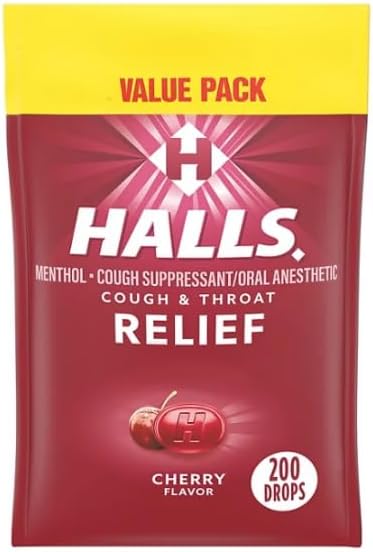
While Fruit Breezers offered a unique appeal, the core identity of Halls has historically been rooted in its medicinal properties and menthol-based relief. Mondelez might have decided to refocus the Halls brand on its core strengths, prioritizing traditional cough drops and newer, scientifically-backed throat relief products that align more closely with the brand’s established heritage and perceived authority in the health sector.
Shifting Manufacturing and Supply Chain Dynamics:

The production of confectionery and lozenges involves complex manufacturing processes and supply chains. Changes in raw material costs, labor expenses, or regulatory requirements could also influence the viability of certain products. If the production of Fruit Breezers became less cost-effective or more logistically challenging, it could have contributed to their discontinuation.
The Absence and the Nostalgia

The discontinuation of Halls Fruit Breezers left a void for many consumers who cherished their unique taste and refreshing sensation. Online forums and social media often feature discussions where people express their longing for these discontinued treats. This widespread nostalgia is a testament to the brand’s impact.
A Case Study in Product Lifecycle:
The story of Halls Fruit Breezers can be viewed as a classic example of a product lifecycle. Products are introduced, grow in popularity, reach maturity, and eventually decline, often due to market saturation, changing consumer preferences, or the introduction of superior alternatives. While the decline of Fruit Breezers wasn’t necessarily due to a lack of quality, it was a natural consequence of market evolution.
The Power of Discontinued Products:
Interestingly, the discontinuation of popular products can sometimes lead to a surge in demand from nostalgic consumers. While this rarely leads to a full-scale relaunch, it highlights the emotional connection consumers can form with their favorite brands and products. Companies occasionally release limited-edition “throwback” versions of beloved items to capitalize on this nostalgia, though this hasn’t been the case for Fruit Breezers.
A Fond Farewell to a Flavorful Era
The discontinuation of Halls Fruit Breezers was not a sudden, arbitrary decision but rather a complex interplay of evolving market trends, increasing competition, and strategic business decisions by Mondelez International. The rise of health consciousness, the demand for functional foods, and the ever-dynamic confectionery landscape likely contributed to the fading popularity of these once-ubiquitous lozenges. While the exact internal metrics and strategic blueprints of Mondelez remain private, the evidence points towards a product line that, despite its initial success, was ultimately outpaced by market shifts and the company’s need to optimize its vast portfolio. The sweet, mentholated memory of Halls Fruit Breezers lives on in the minds of those who remember them, a flavorful chapter in the history of confectionery and throat lozenges.