The English garden, a tapestry of meticulously sculpted landscapes and riotous blooms, has long been a sanctuary for both nature and the creative spirit. Beyond the fragrant roses and verdant lawns, lies an equally important, albeit often subtler, art form: garden decor. This art form transforms a mere patch of land into a personal Eden, imbuing it with personality, charm, and a touch of the whimsical. Among the myriad of decorative elements available, the fox statue has emerged as a particularly cherished and fitting addition to the quintessential English garden.
The Enduring Appeal of Garden Decor
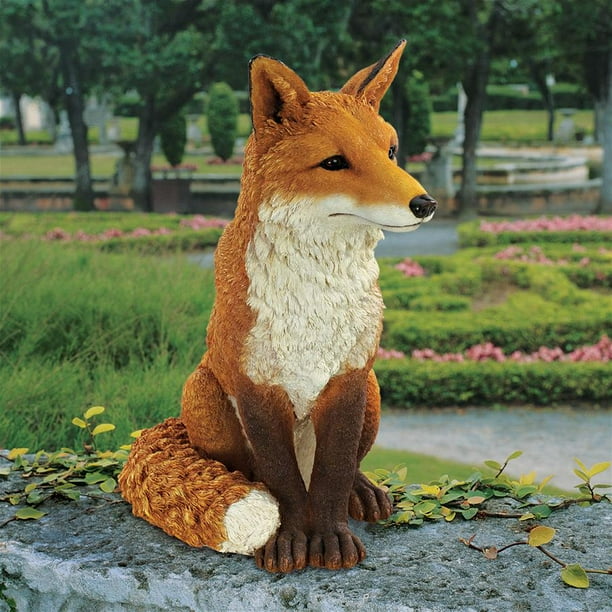
Garden decor serves a multitude of purposes. It can:
- **Enhance Aesthetic Appeal:** Statues, fountains, planters, and even carefully placed stones can add visual interest, focal points, and texture to the garden.
- **Reflect Personal Style:** The choices made in garden decor speak volumes about the owner’s tastes, interests, and personality. A minimalist might opt for clean lines and geometric sculptures, while a more romantic soul might lean towards classical urns and weathered figures.
- **Create Ambiance and Narrative:** A well-chosen piece can evoke a specific mood – be it serene and contemplative, playful and energetic, or historically inspired. It can also contribute to a larger narrative within the garden, perhaps telling a story or referencing a theme.
- **Attract Wildlife:** Bird baths, feeders, and insect hotels are not only decorative but also crucial for supporting local ecosystems.
- **Add Functionality:** Planters provide a structure for showcasing specific plants, while seating areas invite relaxation and contemplation within the outdoor space.
Historically, gardens have always been adorned. From the grand sculpted hedges and elaborate fountains of Renaissance gardens to the more naturalistic “Capability” Brown landscapes of the 18th century, embellishment has been an integral part of garden design. Modern garden decor continues this tradition, offering a vast array of materials, styles, and subjects to suit every taste and budget.
The Fox: A Symbol of English Heritage and Garden Charm
The fox, with its fiery coat, intelligent gaze, and agile form, holds a special place in the English psyche. It is a creature deeply embedded in folklore, literature, and the very fabric of the countryside. Its presence in the English garden is not merely decorative; it is imbued with symbolic meaning and a sense of connection to the natural world.
Historical and Cultural Significance of the Fox in England

The fox has been a part of the English landscape for centuries, its cunning and adaptability making it a fascinating subject. Its association with:
- **Folklore and Mythology:** From Aesop’s fables to local legends, the fox is often portrayed as a clever trickster, a symbol of wisdom and resourcefulness.
- **Rural Life:** The fox is an iconic inhabitant of the English countryside, its elusive nature adding to its mystique.
- **Literature and Art:** From Beatrix Potter’s beloved characters to countless poems and paintings, the fox has consistently captured the imagination of artists and writers.
This deep-rooted cultural resonance translates beautifully into garden decor. A fox statue is more than just an ornament; it’s a nod to heritage, a celebration of nature’s ingenuity, and a touch of the wild brought into a cultivated space.
Why Fox Statues are a Must-Have in English Gardens

The inherent qualities of the fox, combined with the aesthetic and symbolic contributions of statuary, make fox statues an exceptional choice for English garden decor. Here’s why they are a must-have:
1. Capturing the Essence of the English Countryside
English gardens, especially those in more rural settings, often aim to blend seamlessly with their natural surroundings. A fox statue, rendered in materials like bronze, stone, or even weathered resin, effortlessly evokes the spirit of the adjacent fields and woodlands. It brings a touch of untamed beauty into the manicured space, creating a harmonious dialogue between the cultivated and the wild.
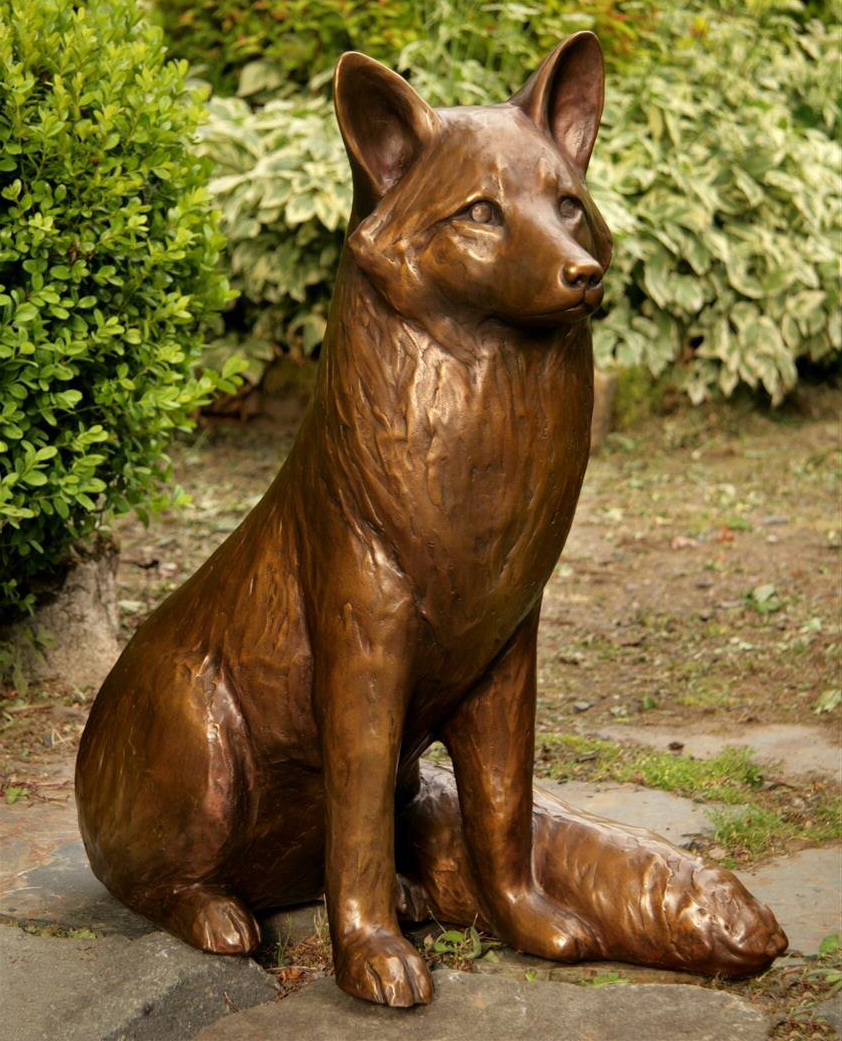
Consider a life-sized bronze fox, its sleek form poised alertly at the edge of a flowerbed, as if captured in mid-stride. This instantly adds a dynamic element and a sense of narrative to the garden. It sparks imagination, prompting viewers to wonder about its next move, connecting them to the living world just beyond the garden walls.
2. Adding a Touch of Whimsy and Character

While English gardens can be formal and elegant, they also possess an inherent charm and often a playful spirit. Fox statues, particularly those with expressive features, can inject a delightful dose of whimsy. A fox curled up asleep amongst herbaceous borders, or a pair of cubs tumbling playfully, can bring smiles and a lighthearted energy to the garden.
These charming figures can break up the formality of geometric designs and add unexpected points of interest. They encourage a sense of discovery, revealing themselves as visitors wander through the garden.
3. Versatility in Style and Placement
The beauty of fox statues lies in their remarkable versatility. They are available in a wide range of styles, from highly realistic to stylized and abstract, ensuring they can complement any garden aesthetic:
- **Realistic Bronze Foxes:** For a sophisticated and timeless feel, particularly suited to larger, more traditional gardens.
- **Weathered Stone Foxes:** These offer a rustic, antique charm, fitting perfectly into cottage gardens or alongside moss-covered walls.
- **Ceramic or Resin Foxes:** Often painted in vibrant colours or with more exaggerated features, these can add a playful, contemporary touch.
- **Abstract or Stylized Foxes:** For the modern garden, these can serve as striking sculptural elements, focusing on form and line.
Furthermore, their placement options are endless:
- **Peeking from Shrubs:** A subtle yet effective way to add intrigue.
- **Guarding a Pathway:** Offering a sense of welcome or playful vigilance.
- **Resting by a Pond:** Adding a touch of naturalistic storytelling.
- **Nestled amongst Flowers:** Blending seamlessly with the blooms.
The ability to adapt to different garden styles and be positioned in numerous creative ways makes the fox statue a highly adaptable decorative choice.
4. Symbolic Depth and Enduring Appeal
As mentioned, the fox carries a rich symbolic weight in English culture. This adds a layer of depth to its decorative function. It can represent:
- **Intelligence and Cunning:** A subtle acknowledgement of nature’s cleverness.
- **Adaptability and Resilience:** Qualities admired in both nature and human endeavor.
- **The Spirit of the Wild:** A reminder of the untamed beauty that lies just beyond our immediate control.
This symbolic richness ensures that the appeal of a fox statue is not merely superficial. It connects with a deeper understanding of the natural world and its place in our lives, contributing to a more meaningful engagement with the garden space.
5. A Nod to Tradition and Heritage

For many, an English garden is intrinsically linked to a sense of history and tradition. Incorporating elements that resonate with this heritage can enhance the overall feeling of authenticity and place. The fox, a creature so deeply woven into the tapestry of English rural life, naturally fits this bill.
A weathered stone fox nestled beside an old oak tree can evoke a sense of timelessness, as if it has always been a part of that landscape. This creates a sense of continuity and connection to the past, enriching the experience of the garden for both owner and visitor.
Case Study: The Enchanted Fox Den Garden
Imagine a moderately sized English garden designed to celebrate the charm of woodland creatures. The owner, an avid admirer of classic children’s literature, decided to incorporate fox statues as a central theme. Several fox statues were strategically placed:
- A pair of playful fox cubs, crafted from aged terracotta, were positioned amongst a bed of ferns, appearing to be peeking out from their den.
- A life-sized bronze fox, with a watchful gaze, stood sentinel near the garden gate, as if guarding the entrance.
- A smaller, more stylized stone fox sat nestled on a mossy rock near a trickling water feature, its smooth form contrasting with the rough texture of the stone.
The effect was transformative. The garden, already beautiful with its flowering shrubs and winding paths, took on a narrative quality. Visitors often remarked on the “magical” atmosphere, feeling as though they had stepped into a storybook. The fox statues were not just decorations; they were characters that brought the garden to life, sparking imagination and conversation. This approach demonstrates how thoughtfully chosen statuary can elevate a garden from merely pleasant to truly enchanting.
A Timeless Addition to the English Garden Canvas
The art of garden decor is a vital element in creating an outdoor space that is both aesthetically pleasing and personally meaningful. Within this art form, the fox statue stands out as a particularly fitting and beloved choice for the English garden. Its inherent connection to the English countryside, its ability to inject whimsy and character, its remarkable versatility in style and placement, and its rich symbolic depth all contribute to its enduring appeal.
Whether crafted from weathered stone, gleaming bronze, or vibrant ceramic, a fox statue offers a unique way to connect with nature, celebrate heritage, and imbue a garden with personality. It is a testament to the fact that the most captivating gardens are not just about plants; they are also about the stories we tell and the characters we invite into our personal havens. For anyone seeking to enhance their English garden with a touch of charm, symbolism, and a whisper of the wild, a fox statue is, without question, a must-have addition.