When it comes to restoring or enhancing antique furniture, selecting the right hardware is crucial. Among the various components, cabinet hinges are often overlooked yet play a significant role in functionality and aesthetic appeal. Antique offset cabinet hinges, in particular, are a popular choice for those looking to maintain authenticity while ensuring durability. This article explores the key factors to consider when choosing the right antique offset cabinet hinges for your furniture.
Understanding Antique Offset Cabinet Hinges
Antique offset cabinet hinges are designed to allow cabinet doors to swing open without obstructing adjacent surfaces. The “offset” design means the hinge is positioned to allow the door to clear the cabinet frame. This type of hinge is often favored in vintage and period furniture, making it essential for restorers and collectors.
Types of Antique Offset Cabinet Hinges
Before making a purchase, it’s essential to understand the different types of antique offset cabinet hinges available in the market. Here are some common types:
- Butterfly Hinges: These are characterized by their unique shape and are typically used in smaller cabinets or decorative pieces.
- Variable Offset Hinges: These allow for adjustments in the offset distance, accommodating various door thicknesses.
- Continuous Hinges: Also known as piano hinges, these run the entire length of the door and provide maximum support.
- Concealed Hinges: These are hidden within the cabinet structure, offering a clean aesthetic while still providing functionality.
Factors to Consider When Choosing Antique Offset Cabinet Hinges
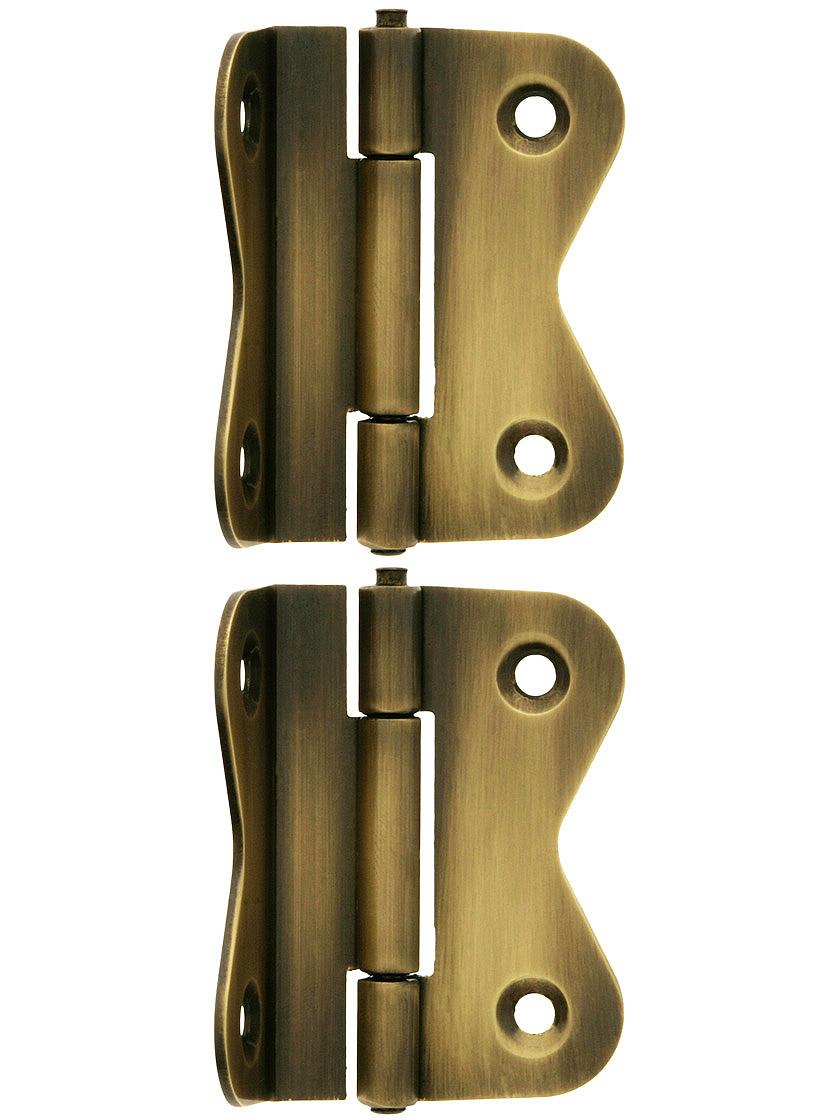
Choosing the right hinges involves several considerations to ensure both functionality and compatibility with the furniture’s style. Here are some key factors:
1. Material
The material of the hinges can significantly affect both durability and appearance. Common materials include:
- Brass: Known for its strength and resistance to corrosion, brass offers a classic aesthetic that complements antique furniture.
- Iron: Often used in rustic or farmhouse styles, iron hinges can add a vintage charm but may require more maintenance to prevent rust.
- Stainless Steel: This is a modern option that offers a sleek look and excellent corrosion resistance, albeit less antique character.
2. Size and Weight Capacity
Ensure that the hinges you choose can support the weight of the cabinet doors. Measure the thickness and height of the doors to find the appropriate size. Most hinges come with weight ratings, helping you choose the right option for your specific needs.
3. Style and Finish
 4. Functionality
Consider how often the cabinet will be used. If it’s a frequently accessed cabinet, opt for hinges that allow for smooth operation and durability. Additionally, look for features such as self-closing mechanisms or easy-adjustment capabilities.
5. Authenticity
If you are restoring a valuable piece of furniture, authenticity becomes paramount. Look for reproduction hinges that closely mimic the original designs or even consider hunting for genuine vintage hinges to maintain the piece’s original character.
Case Studies: Successful Antique Furniture Restorations
Examining successful restorations can provide valuable insights into the importance of selecting the right hinges. Here are two examples:
Case Study 1: Restoring a Victorian Cabinet
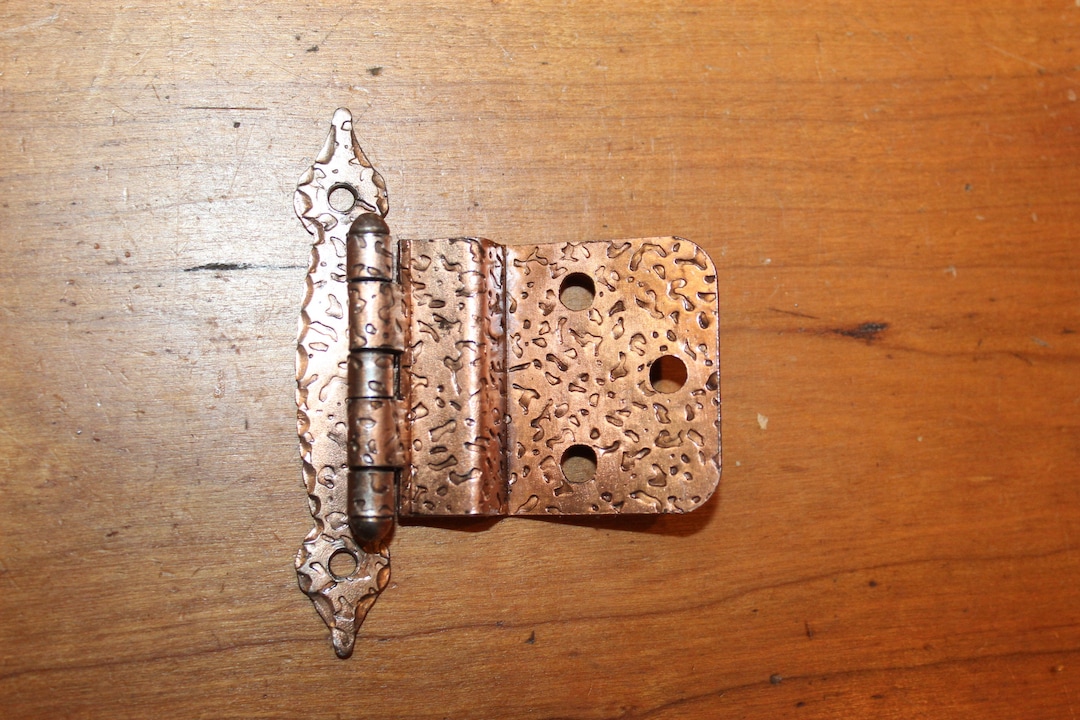
A furniture restorer named Sarah was tasked with restoring a Victorian cabinet from the 1890s. The original hinges were missing, and she needed to find a suitable replacement. After researching, she opted for antique brass butterfly hinges that matched the intricate design of the cabinet. The result was a stunning restoration that maintained the cabinet’s historical integrity while ensuring it functioned smoothly.
Case Study 2: Reviving a Vintage Farmhouse Dresser

John, an enthusiast of farmhouse decor, decided to revive a vintage dresser with heavy, solid wood doors. He chose iron offset hinges with a rustic finish to complement the piece’s overall aesthetic. The hinges not only provided the necessary support but also added to the dresser’s charm, making it a focal point in his home.
Where to Find Antique Offset Cabinet Hinges
Finding quality antique offset cabinet hinges can be a rewarding experience. Here are some places to consider:
- Antique Shops: Local antique stores often have a selection of vintage hardware, including hinges.
- Online Marketplaces: Websites like eBay, Etsy, or specialized antique hardware websites can yield unique finds.
- Salvage Yards: Architectural salvage yards often have vintage hardware that can be repurposed for restoration projects.
- Flea Markets: These markets can be treasure troves for antique enthusiasts searching for unique pieces.
Installation Tips for Antique Offset Cabinet Hinges
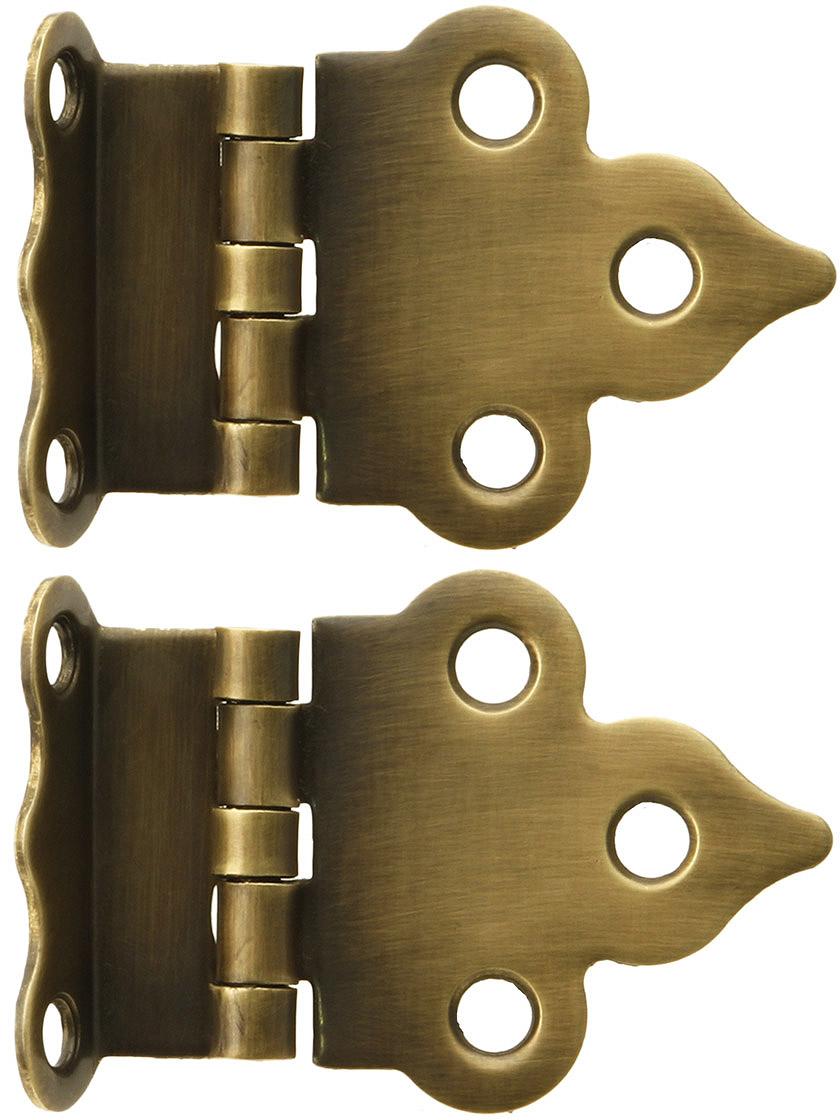
Once you’ve selected the perfect hinges, proper installation is crucial to ensure functionality. Here are some tips:
- Measure Carefully: Ensure precise measurements are taken for the hinge placement to avoid misalignment.
- Use the Right Tools: A drill, screwdriver, and level will be your best friends during installation.
- Test the Movement: Before securing everything, test the cabinet doors to ensure smooth operation.
Choosing the right antique offset cabinet hinges for your furniture is a critical step in ensuring both functionality and aesthetic appeal. By understanding the different types of hinges, evaluating materials and finishes, and considering the specific needs of your furniture piece, you can make an informed decision. Successful restorations highlight the importance of authenticity and quality, demonstrating how the right hinges can elevate a piece to its former glory. Whether you’re restoring a cherished heirloom or enhancing a vintage find, taking the time to select the perfect hinges will ensure your furniture remains not only functional but also a beautiful addition to your home.