The fox, a creature of myth, mystery, and understated beauty, has long captivated the human imagination. Its rust-colored coat, intelligent eyes, and agile movements evoke a sense of wildness and wonder that can be a powerful inspiration for our own personal havens. Imagine stepping into a garden that hums with the spirit of the fox – a space that blends the natural world with a touch of whimsical charm, encouraging the very creatures we admire to visit. This article delves into the art of creating a fox-themed garden, offering practical tips, a wealth of inspiration, and insights into fostering a landscape that resonates with the essence of these fascinating canids.
Understanding the Fox: Nature’s Master Designer
Before we translate the fox into our garden palettes, it’s crucial to understand its habitat and ecological role. Red foxes (Vulpes vulpes) are adaptable and found across diverse landscapes, from woodlands and meadows to urban fringes. They are opportunistic omnivores, their diet consisting of small mammals, birds, insects, fruits, and berries. Their dens, often intricate burrow systems, are dug into soft earth, usually in sheltered locations. Understanding these preferences helps us mimic elements of their natural environment in our own designed spaces.
Key Characteristics to Emulate:
- Camouflage and Blend: Foxes are masters of disappearing into their surroundings. Their fur colors – reds, browns, and grays – are designed to blend seamlessly with vegetation and earth.
- Foraging and Discovery: Their lives are a constant search for food, leading them to explore diverse areas.
- Shelter and Security: Dens provide safety and a place to raise young.
- Movement and Grace: They navigate their environment with silent, fluid motion.
Designing Your Fox Sanctuary: A Palette of Earth Tones and Natural Textures
The core of a fox-themed garden lies in its color palette and material choices. Think of the fox’s coat as your primary inspiration. Rich reds, warm oranges, earthy browns, and muted grays should dominate. This doesn’t mean your garden will be devoid of other colors; rather, these hues will act as anchors, grounding the overall aesthetic.
Color Schemes that Whisper of the Fox:

- Russet and Ember: Employ plants with deep red, burnt orange, and coppery foliage. Think of Heuchera varieties with deep burgundy leaves, ornamental grasses with reddish plumes, or vibrant fall-blooming perennials.
- Earthy Browns and Grays: Incorporate elements with natural wood, stone, and gravel. Weathered logs, rustic fencing, and stone pathways will evoke the fox’s natural terrain.
- Verdant Touches: Juxtapose these warm tones with lush greens – the vibrant greens of ferns, hostas, and evergreen shrubs. These provide a backdrop and a sense of the natural habitat foxes inhabit.
Plant Selections for a Fox-Friendly Ambiance:
Choosing the right plants is paramount. Opt for species that mimic the plants found in the fox’s natural foraging grounds, while also providing food and shelter for wildlife. Consider native plants where possible, as they are best adapted to your local climate and support local ecosystems.
- Berries for Foragers:
- **Hawthorn (Crataegus monogyna):** Its red berries are a winter food source for many animals, and its thorny branches offer protection.
- **Rowan (Sorbus aucuparia):** Bright red berries add a splash of color and attract birds, which are a food source for foxes.
- **Blackberry (Rubus fruticosus):** Offers delicious berries and dense thickets for cover.
- Grains and Grasses:
- **Ornamental Grasses:** Varieties like ‘Red Baron’ Switchgrass (Panicum virgatum ‘Shenandoah’) with their reddish foliage and feathery plumes create movement and mimic wind-swept meadows.
- **Native Grasses:** Species like Big Bluestem (Andropogon gerardii) offer a wilder, more authentic feel.
- Foliage in Fox Hues:
- **Heucheras (Coral Bells):** Many varieties offer deep purple, burgundy, and bronze foliage that perfectly complements the fox’s color.
- **Japanese Maples (Acer palmatum):** Some cultivars boast stunning red or bronze leaves.
- **Sedums:** Succulent leaves in earthy tones can add texture and drought tolerance.
- Earthy Flowers:
- **Coneflowers (Echinacea):** Their purplish-pink hues and sturdy structure are reminiscent of wildflowers.
- **Black-Eyed Susans (Rudbeckia hirta):** Bright yellow centers echo the fox’s eyes.
- **Sunflowers (Helianthus annuus):** Their iconic blooms and seed heads provide food for birds and a cheerful pop of color.
Creating Habitats: Inviting the Fox (and its Friends)
A true fox-themed garden goes beyond aesthetics; it aims to be a welcoming habitat. While attracting a fox itself might be a rare and special occurrence, by creating a wildlife-friendly space, you encourage a vibrant ecosystem that foxes often inhabit. This means providing food, water, and shelter.
Water Sources: A Lifeblood for Wildlife
A bird bath or a small pond is essential. Ensure it has shallow edges so smaller creatures can access it safely. Consider a subtle, naturalistic water feature that blends into the landscape rather than a formal, ornate fountain.
Shelter and Hiding Places: Replicating the Den
Foxes are naturally wary and seek safe havens. Incorporate dense shrubs, thickets of native plants, or even a strategically placed hollow log. This provides a sense of security for smaller creatures and can be a tempting spot for a shy fox to rest or observe.
Case Study: The Wildwood Sanctuary Garden
In the suburbs of Portland, Oregon, a homeowner transformed their average backyard into a wildlife haven. By planting a significant percentage of native shrubs and trees like Oregon Grape (Mahonia aquifolium) and Salmonberry (Rubus spectabilis), and incorporating a small, naturalistic pond, they observed a remarkable increase in local wildlife. While foxes were not seen regularly, sightings of coyotes, raccoons, and numerous bird species became common. This illustrates how creating a healthy ecosystem naturally attracts a variety of wild creatures, including those that foxes prey upon.
Food Sources Beyond Berries: Attracting Prey
By attracting insects, small rodents, and birds, you create a natural food chain that can, in turn, attract foxes. Planting nectar-rich flowers will draw pollinators, which then attract insectivores. Offering bird feeders (while being mindful of potential issues with attracting unwanted rodents) can also be a part of a broader wildlife strategy.
Fox-Inspired Garden Accents: Whimsy and Wonder
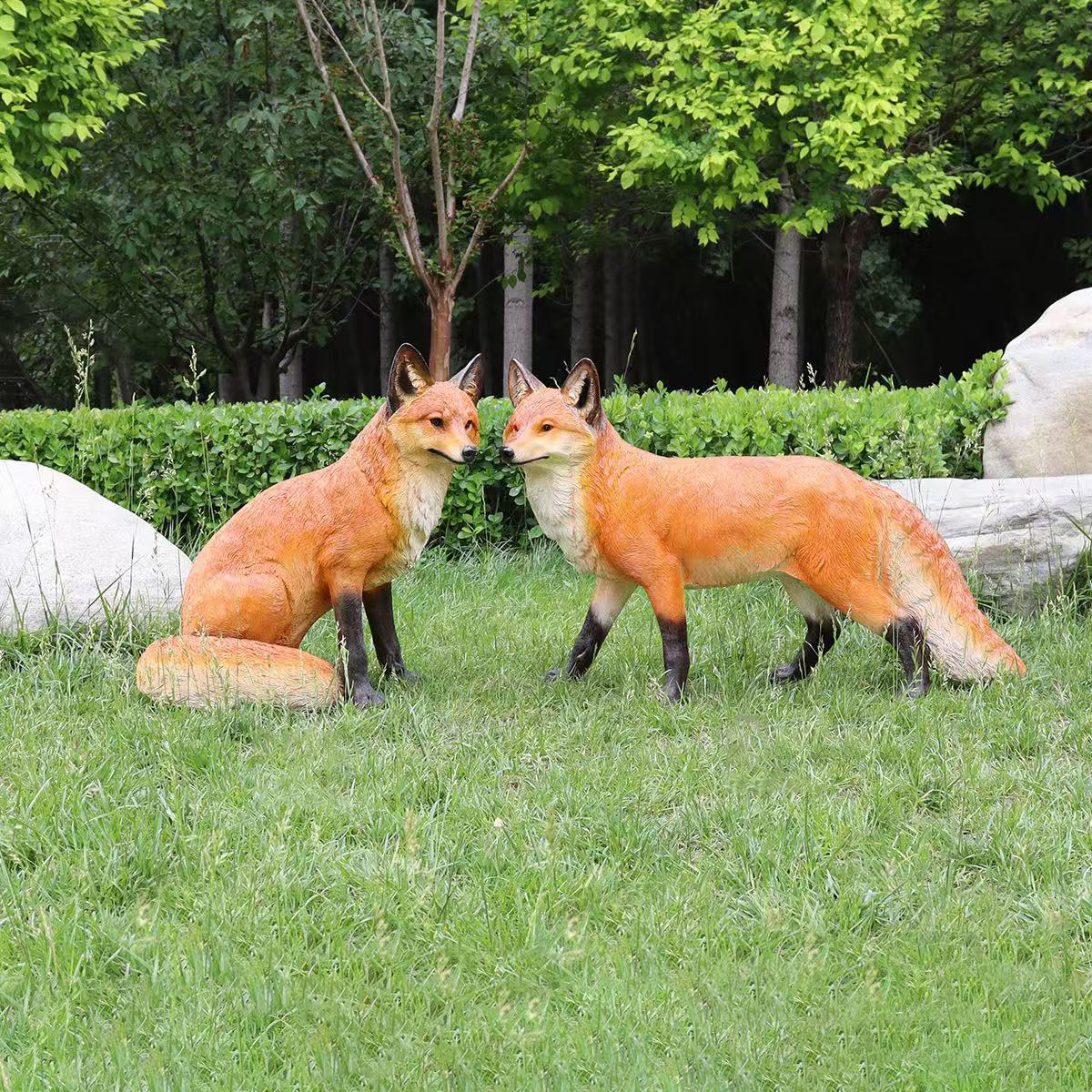
Beyond plants and habitats, small decorative elements can subtly infuse your garden with the spirit of the fox.
Subtle Sculptural Touches:
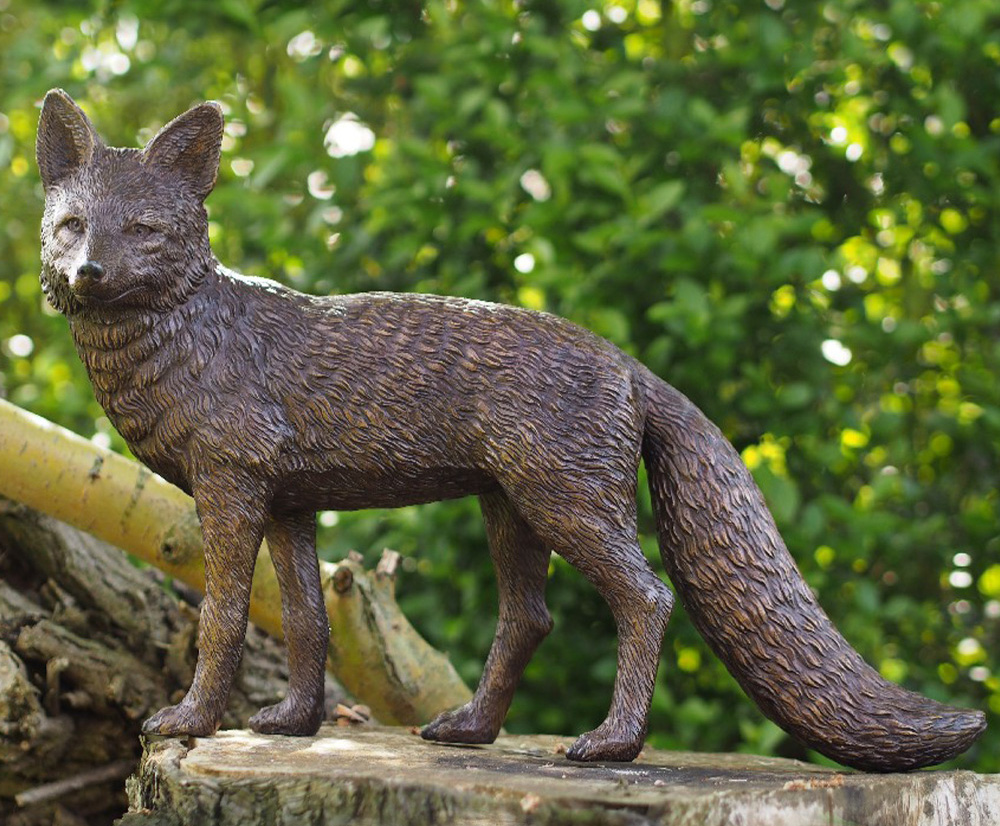
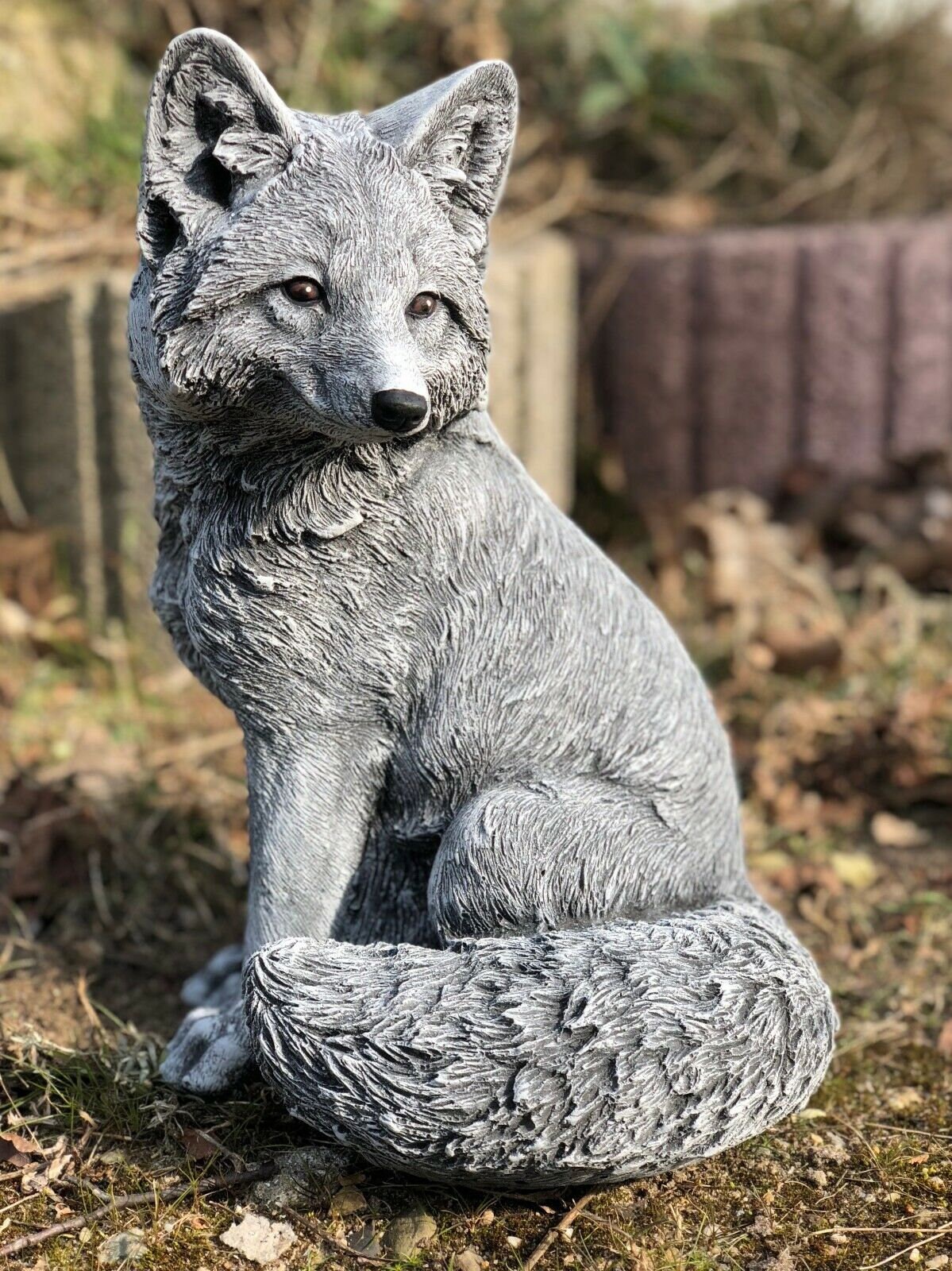
- Stone Carvings: A small, weathered stone carving of a fox peeking from behind a shrub can add a touch of enchantment.
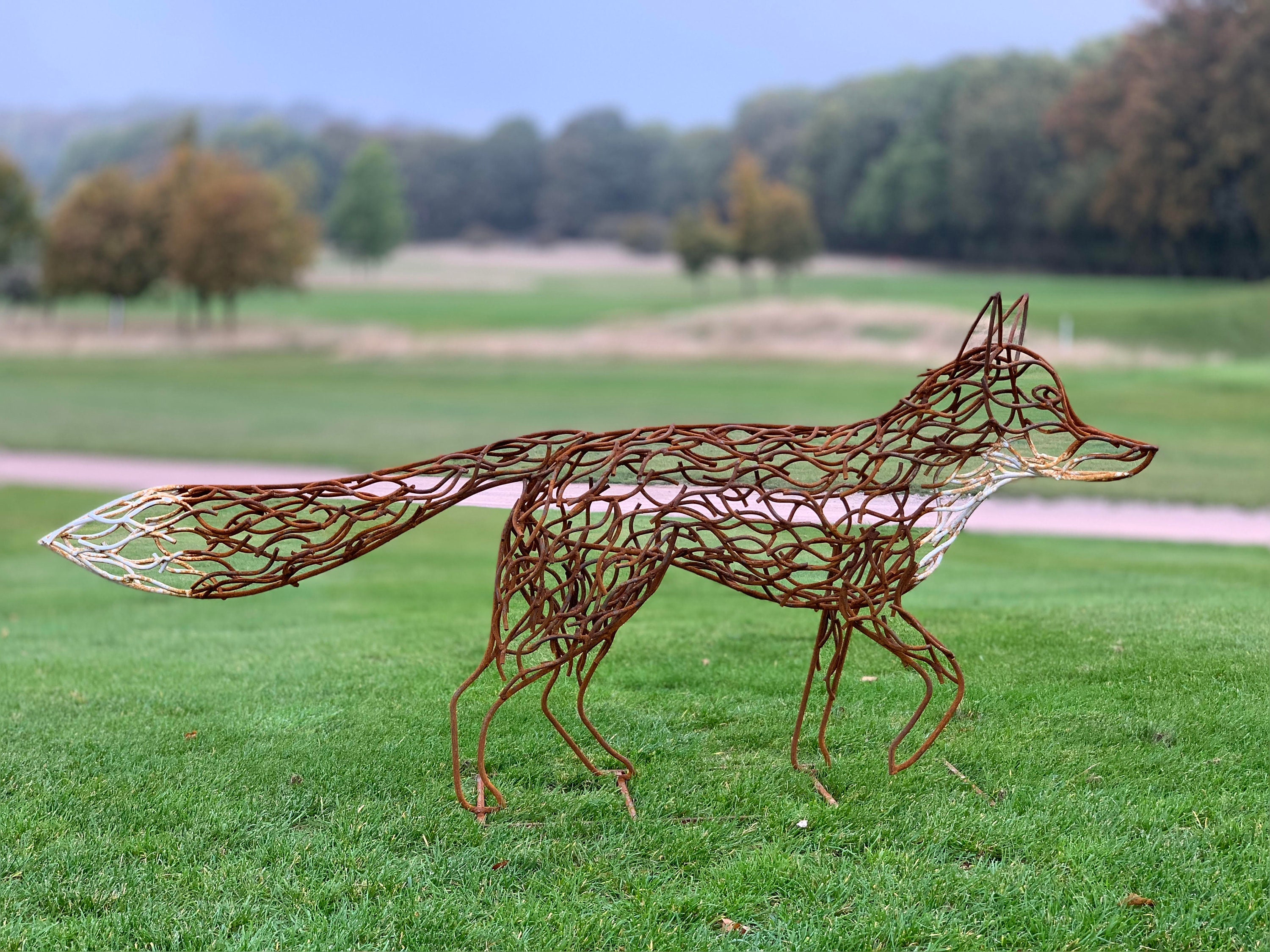
- Metal Silhouettes: Black or rusted metal silhouettes of foxes or their paws can be placed along pathways or amongst foliage.
- Terracotta and Ceramic Accents: Fox-themed planters or decorative garden stakes can add charm.
Lighting for Atmosphere:
Subtle, warm lighting can enhance the magical feel of your garden in the evening. Think of string lights woven through trees or solar-powered lanterns casting a soft glow. This can create a sense of mystery, reminiscent of a fox moving under the moonlight.
Gardening with Wildlife in Mind: Responsible Practices
Creating a fox-themed garden is an opportunity to become a steward of the local environment. Responsible gardening practices are crucial for the well-being of both the wildlife you aim to attract and the wider ecosystem.
Avoid Harmful Chemicals:
Pesticides and herbicides can have devastating effects on wildlife. Opt for organic gardening methods and natural pest control solutions. Statistics from the Environmental Protection Agency (EPA) show that certain pesticides can accumulate in the food chain, posing risks to predators like foxes.
Provide Safe Passage:
If you have fencing, ensure there are gaps at the bottom that allow smaller animals to pass through. This is particularly important for creating connected wildlife corridors.
Observe and Learn:
Spend time in your garden observing the visitors. This will provide invaluable insights into what works and what can be improved. Understanding the behaviors of local wildlife is the best way to refine your design.
A Symphony of Nature and Imagination
Creating a fox-themed garden is a journey of thoughtful design and a deep appreciation for the natural world. It’s about more than just decorative elements; it’s about fostering a thriving ecosystem that echoes the wild spirit of the fox. By embracing a palette of earthy tones, selecting plants that offer both beauty and sustenance, and creating welcoming habitats, you can transform your garden into a sanctuary. This space will not only be a feast for the eyes but also a testament to your commitment to supporting local wildlife, inviting whispers of the wild into your everyday life.