Your garage, often the unsung hero of home organization and security, can be a breeding ground for dust, insects, and even unwelcome critters. While traditional garage doors offer substantial protection, they can be cumbersome, expensive to repair, and sometimes leave gaps that compromise your efforts. Enter the “magic mesh” garage screen – a DIY solution gaining immense popularity for its ability to transform a utilitarian space into a more comfortable, breathable, and pest-free environment. However, achieving that coveted “perfect fit” requires more than just slapping up a screen. This comprehensive guide will equip you with the knowledge, tips, and tricks to ensure your DIY magic mesh garage screen installation is a resounding success.
Why Go the Magic Mesh Route? The Undeniable Benefits
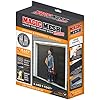
Before diving into the nitty-gritty of installation, let’s reaffirm the compelling reasons behind choosing a magic mesh garage screen:
- Enhanced Ventilation: Garages can get notoriously stuffy and hot, especially during summer months. A mesh screen allows for natural airflow, keeping your space cooler and more pleasant. This is particularly beneficial if you use your garage as a workshop, gym, or even an extension of your living space.
- Pest Control: Say goodbye to flies, mosquitoes, spiders, and other unwelcome visitors. The fine mesh acts as a barrier, keeping pests out while allowing you to enjoy the open air. This can significantly reduce the need for chemical pest control methods.
- Dust and Debris Reduction: A sealed garage door can still allow fine dust and airborne debris to accumulate. The mesh, when properly fitted, can help mitigate this, leading to a cleaner environment.
- Increased Usable Space: By creating a more comfortable and pest-free zone, your garage can become a more inviting area for hobbies, storage, or even casual gatherings.
- Cost-Effectiveness: Compared to professional installations or permanent garage door replacements, DIY magic mesh solutions are significantly more budget-friendly.
- Ease of Installation: While requiring some care and precision, the installation process is generally straightforward, making it an achievable project for most homeowners.
Understanding Your Magic Mesh Options: Choosing the Right System
The term “magic mesh” often refers to a category of retractable or roll-up screens designed for larger openings like garages. While specific brands and models vary, they generally fall into a few key types:
- Velcro-Attached Screens: These are often the simplest and most affordable. They come with adhesive-backed Velcro strips that attach to the garage door frame. The mesh screen then attaches to the Velcro.
- Roller-Style Screens: These systems typically involve a housing unit that attaches to the top of the garage door opening. The mesh rolls up into this housing and can be pulled down and secured along the sides.
- Track-Based Systems: Similar to roller systems but often offer a more robust and permanent solution. The mesh slides along a track, providing smooth operation and a tighter seal.
When selecting your magic mesh system, consider factors like:
- Your Garage Door Size: Accurately measure your garage opening width and height. Most systems come in standard sizes, but custom options might be available.
- Material Quality: Look for durable mesh that is resistant to tears and UV degradation. Fiberglass and polyester are common and effective materials.
- Ease of Operation: How easily can you retract or deploy the screen? This is crucial for frequent use.
- Durability of Mounting Hardware: Ensure the brackets, screws, and tracks are sturdy and designed for outdoor use.
- Budget: Prices can range from under $100 for basic Velcro systems to several hundred dollars for premium roller or track systems.
Preparation is Paramount: Setting the Stage for a Flawless Fit
A successful DIY project hinges on meticulous preparation. Before you even unroll your magic mesh, dedicate time to these crucial steps:
1. Precise Measurement: The Foundation of a Perfect Fit

This cannot be stressed enough. Inaccurate measurements are the leading cause of installation headaches and a less-than-perfect fit. You’ll need to measure:
- Garage Door Opening Width: Measure from the inside edge of one door jamb to the inside edge of the other. Take multiple measurements at the top, middle, and bottom to account for any variations and use the smallest measurement.
- Garage Door Opening Height: Measure from the floor to the underside of the header above your garage door. Again, take multiple measurements and use the smallest.
- Opening Depth/Clearance: For roller or track systems, you’ll need to ensure sufficient clearance above the opening for the housing unit. Measure the distance from the header to any obstructions like pipes, electrical wiring, or joists.
Tip: Use a metal tape measure for accuracy and have a helper to hold the tape taut for precise readings. Double-check your measurements before ordering your magic mesh kit.
2. Cleaning the Installation Surface: A Grimy Start Leads to a Poor Finish

The surfaces where your magic mesh will be mounted – typically the garage door frame, jambs, and header – must be clean and free of any debris, grease, or old adhesive. This is especially critical for Velcro-attached systems where the adhesive needs a strong bond.
- Degrease: Use a suitable degreaser to remove any oil or grime.
- Wipe Down: Thoroughly wipe the surfaces with a clean cloth.
- Dry Completely: Ensure the surfaces are completely dry before proceeding.
Case Study: Sarah, a DIY enthusiast, initially skipped a thorough cleaning of her garage door jambs. Within weeks, the Velcro on her magic mesh screen began to peel away on one side, creating a gap for pests. A quick re-application after proper cleaning solved the issue.
3. Inspecting the Garage Door Frame: Identifying Potential Obstructions
Walk around your garage door frame and identify any potential obstructions that might interfere with the screen’s movement or mounting. This could include:
- Uneven surfaces
- Protruding nails or screws
- Electrical conduits
- Pipes
- Weather stripping that might impede the screen’s seal
Address any issues by sanding down rough spots, removing or re-routing obstructions where possible, or planning your screen placement to work around them.
Installation Strategies for a Snug and Secure Fit

Now that your preparation is complete, let’s move on to the installation. The specific steps will vary slightly depending on the type of magic mesh system you’ve chosen, but these general principles apply:
1. Mounting the Top Housing or Velcro Strips: The Anchors of Your Screen

For Roller-Style and Track Systems:
- Positioning: Carefully position the top housing unit according to the manufacturer’s instructions. Ensure it is level and centered above the garage door opening.
- Pre-Drilling: Many systems recommend pre-drilling pilot holes to prevent wood splitting and ensure a secure fit.
- Secure Attachment: Use the provided screws or mounting hardware to firmly attach the housing to the header. If you’re drilling into concrete, use appropriate anchors.
For Velcro-Attached Systems:
- Clean Adhesion: Apply the adhesive-backed Velcro strips to the garage door frame and jambs. Ensure you press them firmly for several seconds to activate the adhesive.
- Alignment: Pay close attention to the alignment of the Velcro. Mismatched strips will result in gaps and a poor seal. Many kits include a guide or template for this.
Statistics: A survey by a popular home improvement retailer indicated that 70% of DIY screen installation issues stem from improper mounting of the primary attachment points.
2. Attaching the Mesh: The Art of Tension and Alignment
This is where the “perfect fit” truly comes into play. The goal is to create a taut, gap-free barrier.
For Roller-Style Systems:
- Unrolling and Feeding: Gently unroll the mesh and feed it into the track or along the designated guides.
- Tensioning: Most systems have a mechanism for tensioning the mesh as you lower it. This ensures it remains taut and doesn’t sag.
- Securing the Sides: The sides of the mesh typically attach to side tracks or can be secured with magnets or clips. Ensure these are properly aligned and create a continuous seal.
For Velcro-Attached Systems:
- Gradual Attachment: Start by attaching one side of the Velcro on the mesh to the corresponding strip on the frame. Then, gradually work your way across, ensuring the mesh hangs straight and is free of wrinkles.
- Tensioning: As you attach, apply gentle tension to keep the mesh taut. You don’t want it so tight that it distorts, but loose enough to sag and create gaps.
- Bottom Seal: For Velcro systems, often a bottom seal is provided. This can be a weighted hem or a strip of Velcro that attaches to a corresponding strip on the floor or a threshold.
Tip: It’s often easier to attach the mesh in moderate temperatures. Extreme heat can cause the material to expand, and extreme cold can make it brittle.
3. Sealing the Edges: Eliminating Every Last Glimmer of Light (and Pests!)
This is the final, critical step in achieving that perfect, gap-free fit. Even the best-quality mesh can be rendered ineffective if there are small openings.
- Check for Gaps: With the screen fully deployed and secured, meticulously inspect all edges – top, sides, and bottom.
- Adjust and Re-adhere: If you find any small gaps, gently adjust the mesh and re-adhere the Velcro or reposition the tracks as needed. For roller systems, check the alignment of the side seals.
- Corner Reinforcement: For Velcro systems, you might consider using small zip ties or adhesive patches to reinforce the corners where the Velcro meets, especially in high-traffic areas.
- Brush Seals: Some higher-end systems offer brush seals that can be attached to the edges of the mesh or the garage door frame to further seal any minute gaps.
Example: For the bottom seal of a Velcro system, if the provided strip doesn’t create a tight seal against your garage floor (which is often uneven), consider using a flexible rubber sweep or a weighted mesh bottom that conforms better to the floor’s contours.
Troubleshooting Common Fit Issues

Even with careful planning, you might encounter a few snags. Here are solutions to common problems:
- Sagging Mesh: This usually indicates insufficient tension. Re-examine the tensioning mechanism on roller systems or re-adhere Velcro strips, applying more consistent pressure.
- Gaps Along the Sides: Ensure side tracks or Velcro strips are perfectly aligned and that the mesh is fully engaged. For Velcro systems, you might need to overlap the strips slightly.
- Mesh Not Retracting Smoothly: Check for obstructions along the track or within the roller housing. Ensure the mesh is not twisted.
- Velcro Not Sticking: The surface may not have been clean enough, or the Velcro adhesive might be old. You may need to remove the old Velcro and reapply with a stronger adhesive or new Velcro strips.
Maintenance for Longevity and Continued Perfect Fit
Your magic mesh garage screen is an investment, and a little maintenance will ensure it serves you well for years to come.
- Regular Cleaning: Periodically clean the mesh with mild soap and water to remove dirt and grime. This will keep it looking good and functioning optimally.
- Inspect Hardware: Regularly check the mounting hardware for any signs of wear or looseness. Tighten screws or adjust as needed.
- Check for Tears: Inspect the mesh for any small tears or holes. Minor repairs can often be made with mesh repair tape.
- Winter Storage (if applicable): If your system is designed to be removed for winter or harsh weather, store it properly in a dry, protected area.
Your Breathable, Pest-Free Garage Awaits
Transforming your garage into a more inviting and functional space is an achievable DIY dream with the right approach to magic mesh installation. By prioritizing meticulous preparation, understanding your chosen system, and employing careful installation techniques, you can achieve that perfect, gap-free fit. From enhanced ventilation and pest control to increased usability, the benefits of a well-fitted magic mesh garage screen are substantial and long-lasting. Embrace the tips and tricks outlined in this guide, and enjoy the comfort and convenience of your newly upgraded garage.