In our increasingly wireless and streamlined world, it’s easy to overlook the humble yet indispensable connectors that have powered our digital lives for decades. Among these, USB Type-A and Type-B ports stand out as the workhorses of everyday device interaction. While newer, sleeker USB standards like Type-C are gaining traction, the enduring prevalence and practical utility of Type-A and Type-B remain undeniable. This article delves into the myriad practical uses of these venerable connectors, exploring their historical significance, their continued relevance in modern devices, and the reasons behind their remarkable longevity.
A Tale of Two Ports: Understanding USB Type-A and Type-B
Before we explore their applications, it’s crucial to understand the fundamental differences between Type-A and Type-B. While both are part of the Universal Serial Bus (USB) standard, their physical form factors and intended roles differ significantly.
USB Type-A: The Ubiquitous Host Connector
The iconic, rectangular USB Type-A port is perhaps the most recognizable of the two. It’s the dominant connector found on host devices, such as computers, laptops, gaming consoles, and power adapters. Its design allows for easy plugging and unplugging, and its relatively large size accommodates robust electrical connections. Type-A ports serve as the gateway for peripherals to communicate with a host system, enabling data transfer and power delivery.
USB Type-B: The Device-Centric Connection
In contrast, USB Type-B ports are typically found on peripheral devices that connect to a host. Think of printers, scanners, external hard drives (older models), and certain audio interfaces. While the original Type-B has a more square-ish design, variations like Mini-B and Micro-B emerged to cater to smaller devices like digital cameras and early smartphones. These ports are designed to prevent accidental disconnection and often have a more robust physical connection.
Practical Applications of USB Type-A: Connecting Our Digital World

The sheer ubiquity of USB Type-A is a testament to its versatility and the vast ecosystem of devices that rely on it. Its primary role is to bridge the gap between a host device and a myriad of peripherals, facilitating both data exchange and power provision.
Data Transfer: The Backbone of Peripheral Interaction
The most fundamental use of USB Type-A is for data transfer. This encompasses a wide range of activities:
- External Storage: Plugging in USB flash drives, external hard drives, and SSDs to transfer photos, videos, documents, and software is a daily ritual for many. This offers a convenient and often faster alternative to cloud storage or optical media.
- Peripheral Control: Keyboards, mice, and game controllers all connect via USB Type-A, allowing for seamless interaction with computers and consoles. The low latency of USB ensures responsive gameplay and comfortable typing.
- Multimedia Devices: Digital cameras, camcorders, and portable media players often utilize Type-A for transferring recorded content to computers for editing or backup.
- Networking and Communication: USB Wi-Fi adapters, Bluetooth dongles, and Ethernet adapters all connect via Type-A, providing essential networking capabilities to devices that may lack them built-in.
Case Study: The Rise of Portable Storage. The advent of high-capacity USB flash drives, readily connecting via Type-A, revolutionized personal data management. Suddenly, carrying gigabytes of information in your pocket became a reality, impacting everything from student projects to professional presentations. Statistics from Statista show that the global USB flash drive market is projected to reach USD 34.5 billion by 2027, highlighting the continued demand for this technology.
Power Delivery: Charging and Powering Devices
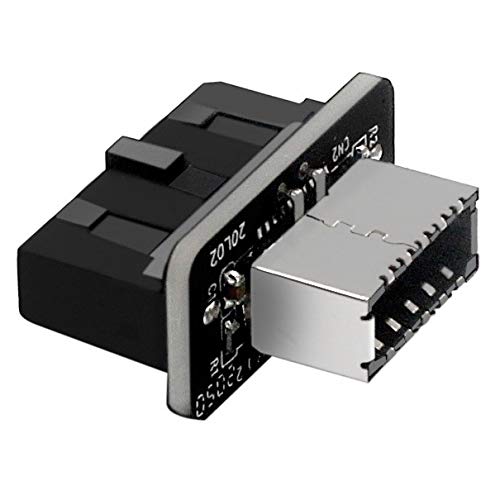
Beyond data, USB Type-A is a crucial conduit for power. This has expanded significantly with the evolution of USB power delivery standards:
- Device Charging: The most common use today is charging smartphones, tablets, smartwatches, and other portable electronics via USB wall adapters, power banks, or even car chargers.
- Powering Peripherals: Many USB-powered devices, such as external CD/DVD drives, USB-powered speakers, and some external webcams, draw their power directly from the USB Type-A port.
- Charging Hubs and Docks: USB Type-A ports are integral to multi-port charging hubs and docking stations, allowing users to charge multiple devices simultaneously from a single power source.
Statistic: According to research, the global market for USB charging ports in consumer electronics is expected to grow significantly in the coming years, driven by the increasing number of portable devices and the convenience of USB charging.
Practical Applications of USB Type-B: Connecting the Workhorses
While Type-A dominates the host side, Type-B and its variants have carved out essential niches for connecting specialized peripherals. Their robust design often lends itself to devices that require a more secure and stable connection.
Printers and Scanners: The Office Staples
For years, USB Type-B has been the standard connector for connecting printers and scanners to computers. This reliable connection ensures that print jobs and scan data are transmitted without interruption. While many newer models now offer wireless connectivity, the wired Type-B connection remains a dependable backup and a preferred choice for some users seeking maximum stability.
External Storage and Audio Interfaces

Older external hard drives, especially those requiring more power than a standard USB port could provide, often utilized the larger Type-B connector. Similarly, professional audio interfaces, which handle significant data streams and require a stable connection for low-latency audio processing, commonly feature Type-B ports. These devices benefit from the secure physical connection to prevent accidental dislodging during critical tasks.
Legacy Devices and Industrial Equipment

The enduring nature of many industrial and specialized equipment means that USB Type-B ports can still be found on older machines and devices. This ensures backward compatibility and allows for the integration of newer control systems or data retrieval tools with existing infrastructure.
The Enduring Relevance: Why Type-A and Type-B Still Matter
Despite the emergence of USB Type-C, which offers reversible plugging and higher data transfer speeds, USB Type-A and Type-B continue to hold their ground for several compelling reasons:
- Massive Installed Base: The sheer volume of existing devices equipped with Type-A and Type-B ports means that compatibility remains paramount. Replacing every cable and device would be an enormous and impractical undertaking.
- Cost-Effectiveness: Type-A and Type-B connectors are generally less expensive to manufacture than their Type-C counterparts. This makes them attractive for manufacturers of budget-friendly devices and accessories.
- Proven Reliability: These connectors have a long track record of dependable performance. Users are familiar with their functionality, and the risk of compatibility issues is minimized.
- Specialized Use Cases: As mentioned, the robust nature of Type-B can be advantageous for devices requiring a more secure connection.
- Power Delivery Evolution: While Type-C is leading the charge in higher wattage power delivery, USB Type-A has also seen improvements in its power delivery capabilities with standards like USB Battery Charging (BC) specifications, allowing for faster charging of compatible devices.
Example: Many car infotainment systems still feature USB Type-A ports for playing music from flash drives or charging phones, reflecting the widespread adoption and ease of use of this connector type.
The Transition and Coexistence

The tech industry is rarely static. While Type-A and Type-B remain relevant, the transition to USB Type-C is undeniable. Many modern devices now feature a mix of ports, offering backward compatibility alongside the latest standards. Dongles and adapters are also readily available, allowing users to connect older peripherals to newer devices or vice-versa.
The future likely involves a period of coexistence, where Type-A and Type-B continue to serve their established roles, while Type-C becomes the dominant standard for new devices. This gradual transition ensures that users can continue to leverage their existing investments while embracing the benefits of newer technologies.
The Unsung Heroes of Connectivity
In conclusion, USB Type-A and Type-B, while perhaps lacking the futuristic appeal of newer standards, are far from obsolete. Their practical uses in everyday devices are vast and continue to underpin much of our digital interaction. From transferring critical data and powering our essential gadgets to connecting our office workhorses, these connectors have quietly and reliably facilitated our digital lives for years. Their enduring legacy lies in their simplicity, their cost-effectiveness, and their unparalleled compatibility with the billions of devices already in circulation. As we move forward, it’s important to acknowledge the foundational role these ports have played and will continue to play, ensuring that our digital world remains connected, one plug at a time.