Jamaican twist braids, often referred to as two-strand twists, are a timeless and versatile protective hairstyle deeply rooted in African diaspora culture. More than just a fashion statement, these braids offer a beautiful and low-maintenance way to rock your natural hair, allowing it to grow and thrive while providing a break from heat styling and manipulation. This comprehensive guide will delve into the world of Jamaican twist braids, exploring their diverse styles, the essential steps for achieving them, and crucially, how to maintain their longevity and health.
Understanding Jamaican Twist Braids: A Cultural Tapestry
The practice of twisting hair has been a significant part of African haircare traditions for centuries. Jamaican twist braids, specifically, are a modern evolution that embraces this heritage. Unlike traditional braids that involve three strands, Jamaican twists utilize two strands of hair twisted around each other. This method creates a coiled, rope-like appearance that can be customized in numerous ways. Their popularity has surged globally, appreciated for their elegance, adaptability, and ability to suit various hair textures.
The Allure of Jamaican Twist Braids: Why Choose This Style?
The appeal of Jamaican twist braids is multi-faceted:
- Protective Styling: They shield the ends of your hair from breakage, split ends, and environmental damage, promoting healthy hair growth.
- Versatility: From casual everyday looks to sophisticated updos, the styling possibilities are endless.
- Low Maintenance: Once installed, they require minimal daily styling, saving you time and effort.
- Natural Hair Health: They allow your natural hair to rest and recover, reducing the need for heat and chemical treatments.
- Cultural Significance: They connect wearers to a rich history of African haircare and expression.
Exploring the Diverse World of Jamaican Twist Braid Styles

While the fundamental technique remains the same, the aesthetic of Jamaican twist braids can be dramatically altered by varying factors like size, length, and the addition of extensions. Here are some of the most popular styles:
Bigger is Bolder: Chunky Twists

Chunky twists, characterized by their thicker sections, are a quick and impactful style to achieve. They offer a more relaxed and casual vibe and are often favored for their ease of installation. These can be created with the natural hair alone or with the addition of extensions for added length and fullness.
Delicate Definition: Small and Micro Twists

For a more intricate and refined look, opt for small or micro twists. These smaller sections create a denser, more textured appearance. They require more time for installation but offer a sophisticated and polished finish. Many individuals with shorter hair find micro twists a great way to add a sense of volume and style.
The Illusion of Length: Twists with Extensions
One of the most sought-after variations involves incorporating synthetic or human hair extensions. This technique, often called “Senegalese twists” when extensions are used in a similar fashion, allows for dramatic length and volume. The extensions are twisted along with your natural hair, seamlessly blending in to create a fuller and longer mane. This is a fantastic option for those looking to experiment with longer styles without committing to growing out their natural hair.
The Statement Maker: Fulani Twists
Fulani twists are a regal and striking style that combines cornrows with two-strand twists. Typically, cornrows are created along the perimeter of the scalp, and then two-strand twists fall from the ends of these cornrows. This design is often adorned with beads or cuffs for added flair, creating a truly eye-catching look.
The Bob that Bounces: Twist Bobs
For a chic and modern aesthetic, consider twist bobs. These are simply two-strand twists that are cut to a bob length. They offer the protective benefits of twists in a fashionable and manageable short style. They can be achieved with or without extensions depending on the desired fullness and length.
Installation: The Art of Crafting Your Twists
While professional installation is highly recommended, especially for beginners or intricate styles, understanding the basic process can be empowering. It’s a meticulous and time-consuming process that often requires patience and dexterity.
Essential Tools and Products:

- Comb: A fine-tooth comb or a rat-tail comb for parting.
- Clips: To section off hair.
- Moisturizer: A leave-in conditioner or spray bottle with water and conditioner.
- Styling Product: Twist cream, pomade, or wax to provide grip and definition.
- Hair Oil: For sealing in moisture.
- Optional: Extensions (if desired).
The Step-by-Step Process (for natural hair twists):
- Cleanse and Condition: Start with clean, conditioned, and detangled hair.
- Parting is Key: Section your hair into manageable parts. The size of the parts will determine the size of your twists. Precise parting is crucial for neat and even twists.
- Hydrate and Moisturize: Lightly mist each section with your leave-in conditioner or water-based moisturizer.
- Apply Styling Product: Apply a small amount of your chosen styling product to the section. This helps with grip and prevents frizz.
- Divide and Twist: Divide the section of hair into two equal strands.
- Begin Twisting: Start twisting the two strands around each other, moving from the root to the tip. Maintain consistent tension throughout the twist.
- Seal the Ends: Ensure the ends are smoothly twisted to prevent unraveling. You can use a tiny bit of product or gently smooth them with your fingers.
- Repeat: Continue this process until all sections of your hair are twisted.
Case Study Example: Sarah, a naturalista with coily hair, struggled with heat damage. She decided to try medium-sized Jamaican twists with extensions for added length. After a 6-hour salon session, she had a full head of beautiful twists. Within weeks, she noticed less breakage and a significant improvement in her natural hair’s moisture retention.
Care and Maintenance: Keeping Your Twists Looking Their Best
The beauty of Jamaican twist braids lies in their low-maintenance nature, but proper care is essential to maximize their lifespan and keep your hair healthy. Consistent upkeep will ensure your twists remain neat, moisturized, and free from damage.
Daily Care: The Foundation of Longevity
- Moisturize Regularly: Your scalp and twists will need regular hydration. Lightly mist your twists with a water-based leave-in conditioner or hair spritz, focusing on the roots and strands. Avoid over-saturating, which can lead to mildew.
- Seal in Moisture: After moisturizing, apply a light hair oil (like jojoba, almond, or argan oil) to seal in the hydration. Gently smooth the oil over the twists.
- Protect Your Twists at Night: This is perhaps the most crucial step for longevity. Always cover your hair before sleeping. A satin bonnet or scarf will prevent friction and frizz, preserving the neatness of your twists.
Weekly Care: Deepening the Nourishment
- Scalp Massage: Gently massage your scalp with your fingertips or a scalp massager. This stimulates blood circulation, which promotes hair growth, and helps to loosen any product buildup.
- Refresh Your Twists: If your twists start to look a bit fuzzy, you can refresh them by re-applying a small amount of twist cream or pomade to any loose areas and gently re-twisting the strands.
The Importance of Proper Washing: Gentle Cleansing is Key
Washing your twists requires a gentle approach to avoid loosening them or causing tangles. Most stylists recommend washing your twists every 2-4 weeks, depending on your lifestyle and hair type.
- Co-washing: This is often the preferred method. Use a cleansing conditioner or a diluted sulfate-free shampoo to gently cleanse your scalp and hair.
- Dilute Your Shampoo: If you opt for a shampoo, dilute it with water to reduce its stripping potential.
- Apply to Scalp: Focus the cleansing product on your scalp and gently work it down the twists.
- Rinse Thoroughly: Ensure all product is rinsed out.
- Deep Condition: Follow up with a deep conditioner.
- Drying: Gently squeeze out excess water. You can air dry or use a hooded dryer on a low setting. Avoid rough towel drying.
Statistics Note: According to a survey by The Black Hair Experience, 75% of women with textured hair found protective styles like twists significantly reduced their hair breakage compared to other styling methods.
Dealing with Frizz and Unraveling
Some frizz is natural, especially as your twists age. However, excessive frizz or unraveling can be managed:
- Re-twisting: As mentioned, small sections that begin to unravel can be re-twisted.
- Edge Control: Use a gentle edge control product to tame flyaways around the hairline.
- Avoid Over-manipulation: Constantly touching or picking at your twists can lead to frizz and breakage.
The End of the Road: When to Take Down Your Twists

Jamaican twist braids can typically last anywhere from 4 to 8 weeks, depending on your hair type, how well you maintain them, and whether extensions were used. Signs that it’s time to take them down include:
- Significant frizz and tangles.
- Difficulty in moisturizing your scalp.
- Noticeable unraveling of individual twists.
- A desire for a new style or a deep conditioning treatment.
When taking down your twists, be patient and work gently. Detangle each twist carefully to minimize breakage. Follow up with a thorough deep conditioning treatment to replenish your natural hair.
Embracing the Beauty and Benefits of Jamaican Twist Braids
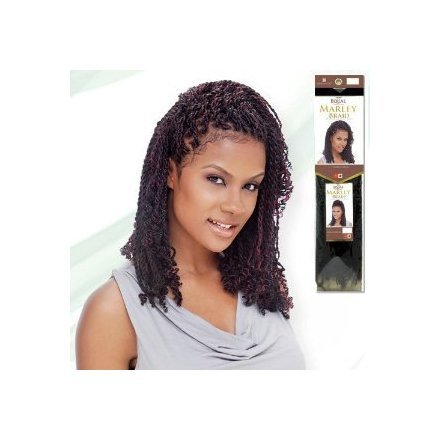
Jamaican twist braids are a beautiful, protective, and culturally rich hairstyle that offers a fantastic alternative for managing natural hair. From the simple elegance of chunky twists to the intricate beauty of micro twists and the drama of styles with extensions, there’s a variation to suit every taste and occasion. By understanding the installation process and adhering to a consistent care and maintenance routine—prioritizing moisturizing, nightly protection, and gentle washing—you can enjoy vibrant, healthy hair for weeks on end. Embracing Jamaican twist braids is not just about a hairstyle; it’s about celebrating natural beauty, promoting hair health, and connecting with a timeless tradition.