Swimming pool enclosures serve multiple purposes, including enhancing safety, improving aesthetics, and providing protection from the elements. When considering a used swimming pool enclosure, it is vital to make an informed decision to ensure you get the best value for your investment. This article will guide you through the essential factors to consider when choosing the right used swimming pool enclosure for your home.
Understanding the Benefits of a Pool Enclosure

Before diving into the selection process, it’s essential to understand why a pool enclosure can be a valuable addition to your home. Here are some key benefits:
- Safety: Enclosures provide a barrier that can help prevent accidental drownings, especially in homes with children or pets.
- Maintenance: A pool enclosure significantly reduces debris accumulation, reducing the time and effort required for maintenance.
- Extended Swimming Season: Enclosures can create a microclimate that maintains warmer water temperatures, allowing for a longer swimming season.
- Increased Property Value: A well-maintained pool enclosure can enhance your property’s appeal, potentially increasing its market value.
Determining Your Needs and Preferences
Before you start shopping for a used pool enclosure, it’s crucial to assess your specific needs and preferences. Consider the following factors:
- Type of Enclosure: Decide whether you want a screen enclosure, glass enclosure, or a solid structure. Each type has its advantages and disadvantages.
- Size Requirements: Measure your pool dimensions to determine the appropriate size of the enclosure. Ensure it provides ample space for movement and leisure activities.
- Local Climate: Consider how the local weather conditions may influence your choice—some materials are better suited for extreme temperatures or heavy winds.
- Aesthetic Preferences: Think about how the enclosure will fit with your home’s architecture and landscaping.
Researching Different Types of Enclosures
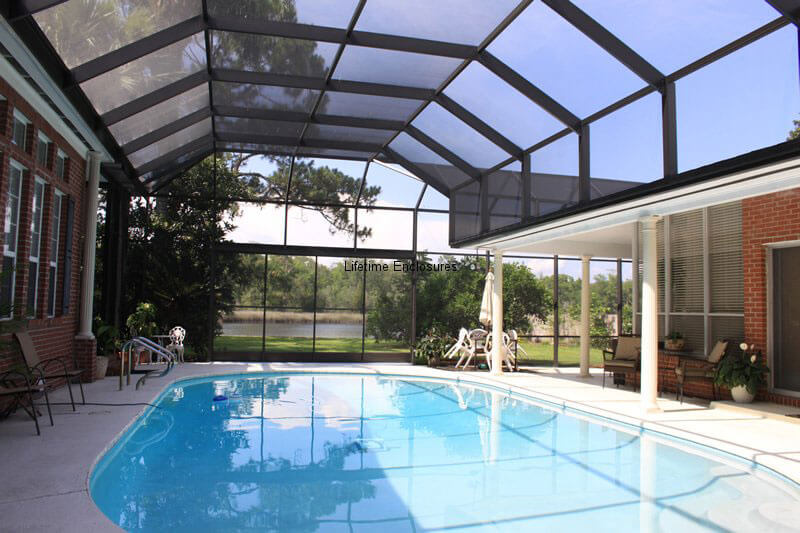
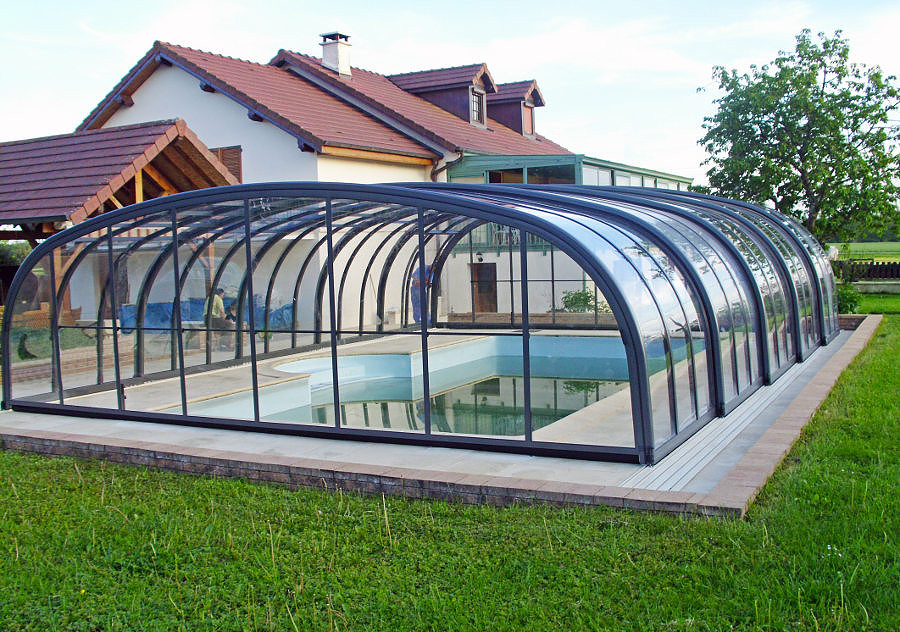
When it comes to pool enclosures, there are several types to consider. Here’s an overview of the most common options:
1. Screen Enclosures
Screen enclosures are popular for their affordability and functionality. They allow natural light and airflow while keeping insects and debris at bay.
2. Glass Enclosures
Glass enclosures offer an elegant look and unobstructed views. They provide excellent weather protection but can be more expensive and require regular cleaning.
3. Solid Structures

Solid enclosures, often made from materials like polycarbonate, provide excellent insulation and protection. However, they can limit airflow and natural light.
Understanding the pros and cons of each type can help narrow your options based on your preferences and needs.
Assessing Condition and Quality of Used Enclosures
When purchasing a used swimming pool enclosure, it is essential to assess its condition. Here are some steps to take:
- Visual Inspection: Check for signs of wear and tear, such as rust, cracks, or broken components. Pay special attention to the seals and hinges, which can be prone to damage.
- Structural Integrity: Ensure the frame is sturdy and stable. A wobbly or unstable structure can pose safety risks.
- Material Quality: Investigate the material used in the enclosure. High-quality materials, like aluminum or tempered glass, tend to last longer than cheaper alternatives.
- Manufacturer Reputation: Research the brand and manufacturer of the enclosure. Look for reviews or ratings to gauge their reliability and customer satisfaction.
Understanding Local Regulations and Permits
Before installing a pool enclosure, it’s crucial to understand the local building codes and regulations. Here are some steps to follow:
- Contact Local Authorities: Reach out to your local government or zoning board to inquire about specific regulations regarding pool enclosures.
- Check for Permits: Some areas may require permits for pool enclosures, especially if they are large structures. Ensure you have the necessary approvals before installation.
- Review Safety Standards: Familiarize yourself with safety standards to ensure your enclosure meets local safety requirements.
Budgeting for Your Purchase
Setting a budget is crucial when selecting a used pool enclosure. Here are some factors to consider when budgeting:
- Purchase Price: Determine how much you are willing to spend on the enclosure itself. Compare prices from different sellers to find a good deal.
- Installation Costs: Factor in the cost of installation, whether you plan to do it yourself or hire professionals. Installation can vary widely in price depending on complexity.
- Maintenance Expenses: Consider ongoing maintenance costs, such as cleaning and repairs, especially if you choose a more intricate design.
- Insurance Implications: Check with your home insurance provider to understand how a pool enclosure may affect your policy and premiums.
Finding Reputable Sellers
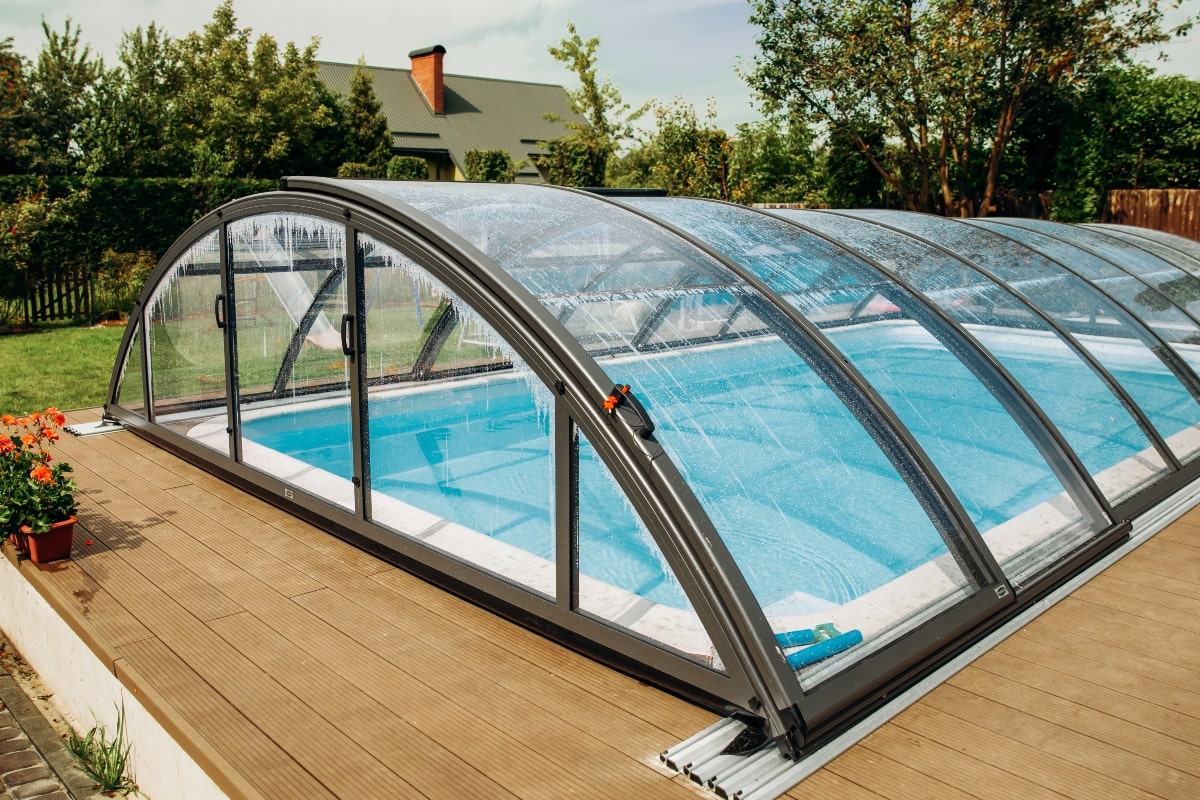
Once you’re ready to make a purchase, finding a reliable seller is crucial. Consider the following options:
- Local Pool Supply Stores: Many pool supply stores offer used enclosures and may provide warranties or guarantees.
- Online Marketplaces: Websites like Craigslist, eBay, or local Facebook groups can offer a variety of options. Always check seller ratings and reviews.
- Word of Mouth: Ask friends, family, or neighbors for recommendations on reputable sellers or leads on used enclosures.
Installation and Post-Purchase Considerations
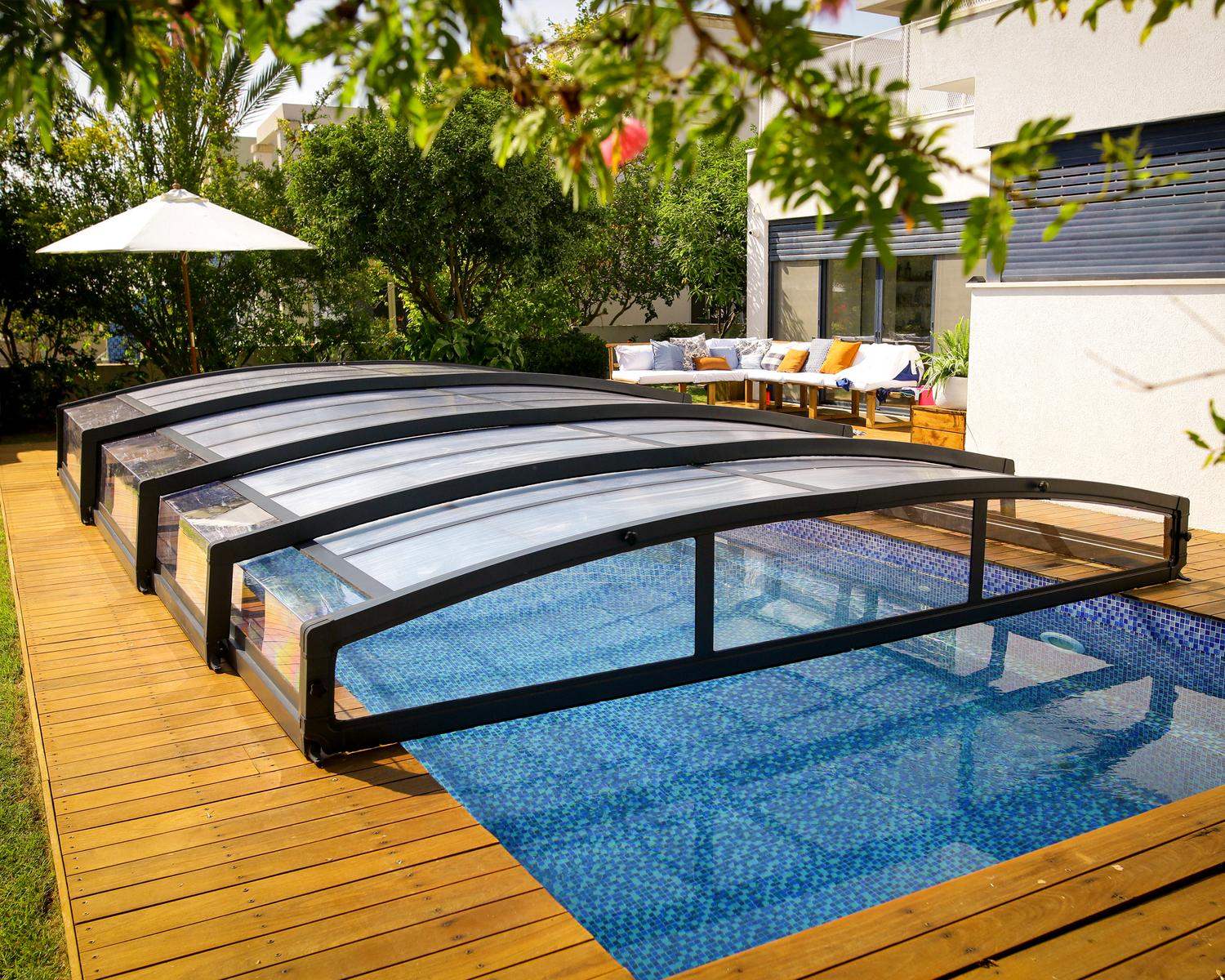
After purchasing your used pool enclosure, the installation process is the next step. Here are some considerations:
- DIY vs. Professional Help: Decide whether you will install the enclosure yourself or hire a contractor. Professional installation can ensure safety and compliance with local regulations.
- Maintenance Routine: Develop a maintenance plan to keep your enclosure in top condition. Regular cleaning and inspections can extend its lifespan.
- Seasonal Adjustments: If you live in an area with significant seasonal changes, consider how you will prepare and adjust your enclosure to accommodate these changes.
Choosing the right used swimming pool enclosure for your home involves careful consideration of various factors, including your specific needs, the types of enclosures available, and the condition of the product. By understanding the benefits of a pool enclosure, assessing different types, and being aware of local regulations, you can make an informed decision that enhances your swimming experience while ensuring safety and value.
Remember to budget appropriately, find reputable sellers, and consider installation and maintenance aspects post-purchase. Following this guide will help you secure an enclosure that meets your needs and elevates your outdoor living space.