
The mid-century modern (MCM) aesthetic continues its reign as a dominant force in interior design, and at its heart often lies the elegant simplicity and warm embrace of walnut. Among the most coveted pieces from this era, the mid-century modern walnut desk stands out as a symbol of refined taste, functional design, and enduring quality. But with a plethora of options available, both vintage and reproductions, how does one navigate the market to find that perfect piece that seamlessly integrates into your space and enhances your productivity? This comprehensive guide will equip you with the knowledge and insights to embark on your rewarding quest.
Understanding the Allure of Walnut in Mid-Century Modern Design
Walnut, particularly American black walnut, was a material of choice for many iconic mid-century modern designers. Its rich, deep tones, intricate grain patterns, and inherent strength made it ideal for crafting furniture that was both beautiful and built to last. The MCM ethos championed natural materials and honest construction, and walnut perfectly embodied these principles. Its ability to be easily shaped and finished allowed designers to create sleek, flowing lines and organic forms that characterized the era.
The Unmistakable Characteristics of MCM Walnut Desks:
- Warm Tones: Walnut typically exhibits a spectrum of warm browns, from a light reddish-brown to a deep, dark chocolate.
- Distinctive Grain: The grain can range from straight and uniform to wavy or figured, adding visual interest and uniqueness to each piece.
- Smooth Finish: MCM walnut desks often feature a smooth, often lacquered or oiled, finish that highlights the wood’s natural beauty.
- Tapered Legs and Clean Lines: A hallmark of MCM design, these desks often boast slender, tapered legs and minimalist silhouettes, avoiding unnecessary ornamentation.
- Functional Details: Integrated drawers, sliding doors, and thoughtfully designed workspaces are common, prioritizing utility alongside aesthetics.
Navigating Your Search: Vintage vs. Reproduction
The decision between acquiring a genuine vintage piece and opting for a high-quality reproduction is a significant one, each with its own set of advantages and considerations. Understanding these differences will help you align your purchase with your budget, ethical considerations, and desired authenticity.
The Charm of the Vintage:
Owning a vintage mid-century modern walnut desk is like owning a piece of history. These pieces have often stood the test of time, bearing witness to decades of use and design evolution. They exude a unique character and patina that cannot be replicated.
Pros of Vintage:
- Authenticity and Provenance: Owning an original piece carries a certain prestige and connection to the era.
- Unique Patina: Age-related wear and tear, when managed, can add character and depth to the piece.
- Investment Potential: Well-maintained vintage MCM furniture can appreciate in value over time.
- Sustainability: Giving a pre-loved item a new life is an environmentally conscious choice.
Cons of Vintage:
- Higher Cost: Genuine vintage pieces, especially from renowned designers, can be expensive.
- Condition Variability: Finding a piece in pristine condition can be challenging, and restoration costs can add up.
- Limited Availability: The market for specific vintage pieces can be competitive and require patience.
- Potential for Wear and Tear: Older furniture may have inherent structural weaknesses or cosmetic imperfections.
The Appeal of Reproduction:

The resurgence of MCM design has led to a thriving market for reproductions. Reputable manufacturers meticulously study original designs, materials, and craftsmanship to create pieces that capture the essence of the mid-century era while offering modern conveniences and warranties.
Pros of Reproduction:
- Predictable Quality and Condition: New pieces come with a warranty and are typically in perfect condition.
- Modern Functionality: Reproductions may incorporate modern features like cable management or improved drawer slides.
- Wider Availability: Finding a reproduction is generally easier than a specific vintage piece.
- More Accessible Pricing: While high-end reproductions can be costly, they often offer better value than comparable vintage originals.
Cons of Reproduction:
- Lack of Original Patina: Reproductions will not have the unique character that comes with age.
- Potential for Lower Quality Materials: Not all reproductions are created equal; some may use inferior wood or hardware.
- Less Investment Potential: Reproductions are unlikely to appreciate in value in the same way as vintage originals.
Case Study: Sarah, a graphic designer, was on the hunt for a walnut MCM desk for her home office. She found a vintage credenza desk by a lesser-known but well-regarded Danish maker for $1,200. It required some minor refinishing and a drawer slide repair, costing an additional $200. On the other hand, a high-quality reproduction from a reputable MCM furniture company was priced at $2,500, offering a flawless finish and a lifetime warranty. Sarah ultimately chose the vintage piece, appreciating its unique story and the satisfaction of restoring it herself.
Key Features to Consider When Buying
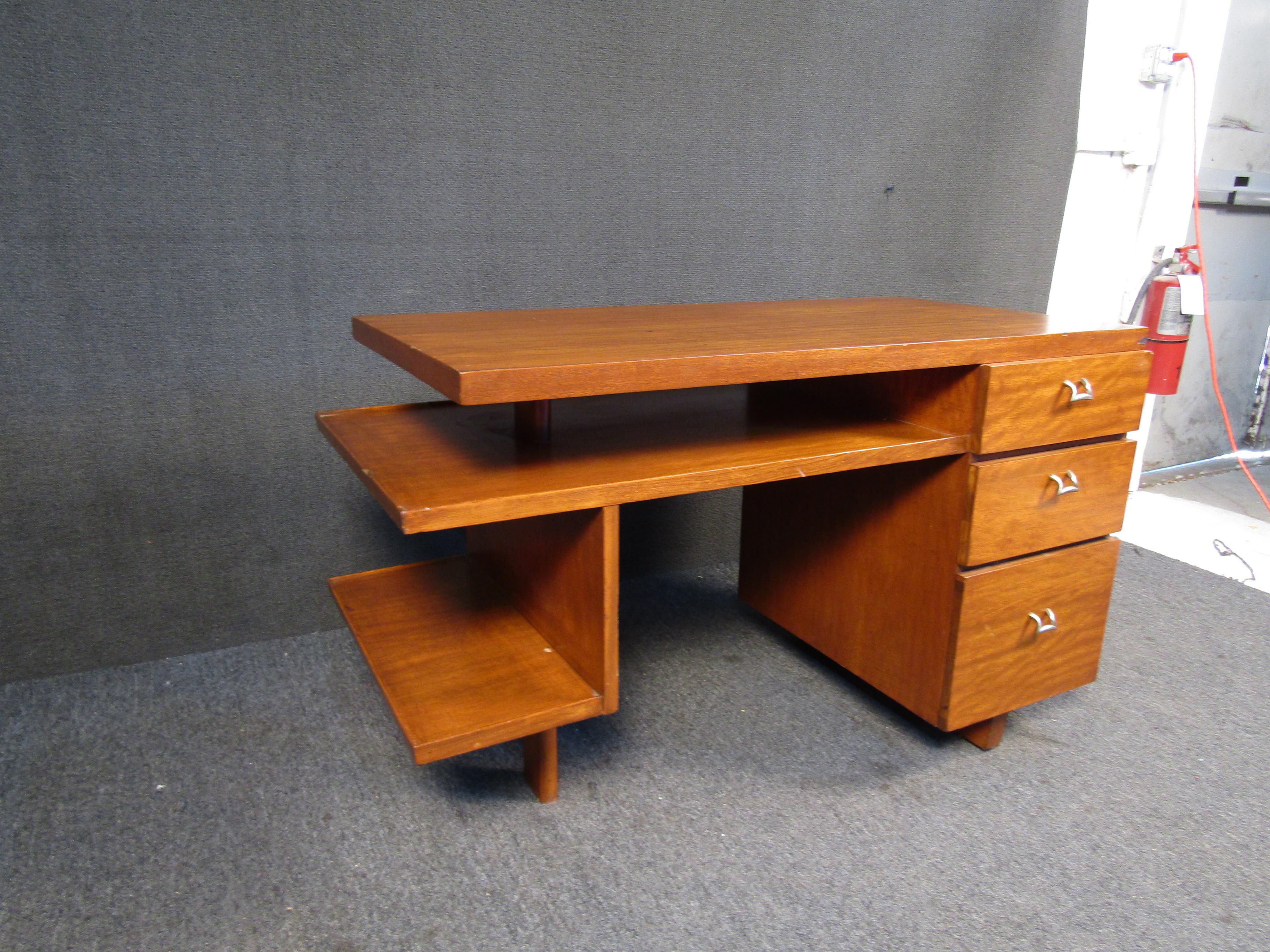
Regardless of whether you’re leaning towards vintage or reproduction, several critical factors will influence your decision and ensure you find a desk that’s both aesthetically pleasing and highly functional for your specific needs.
1. Size and Scale: The Foundation of Functionality
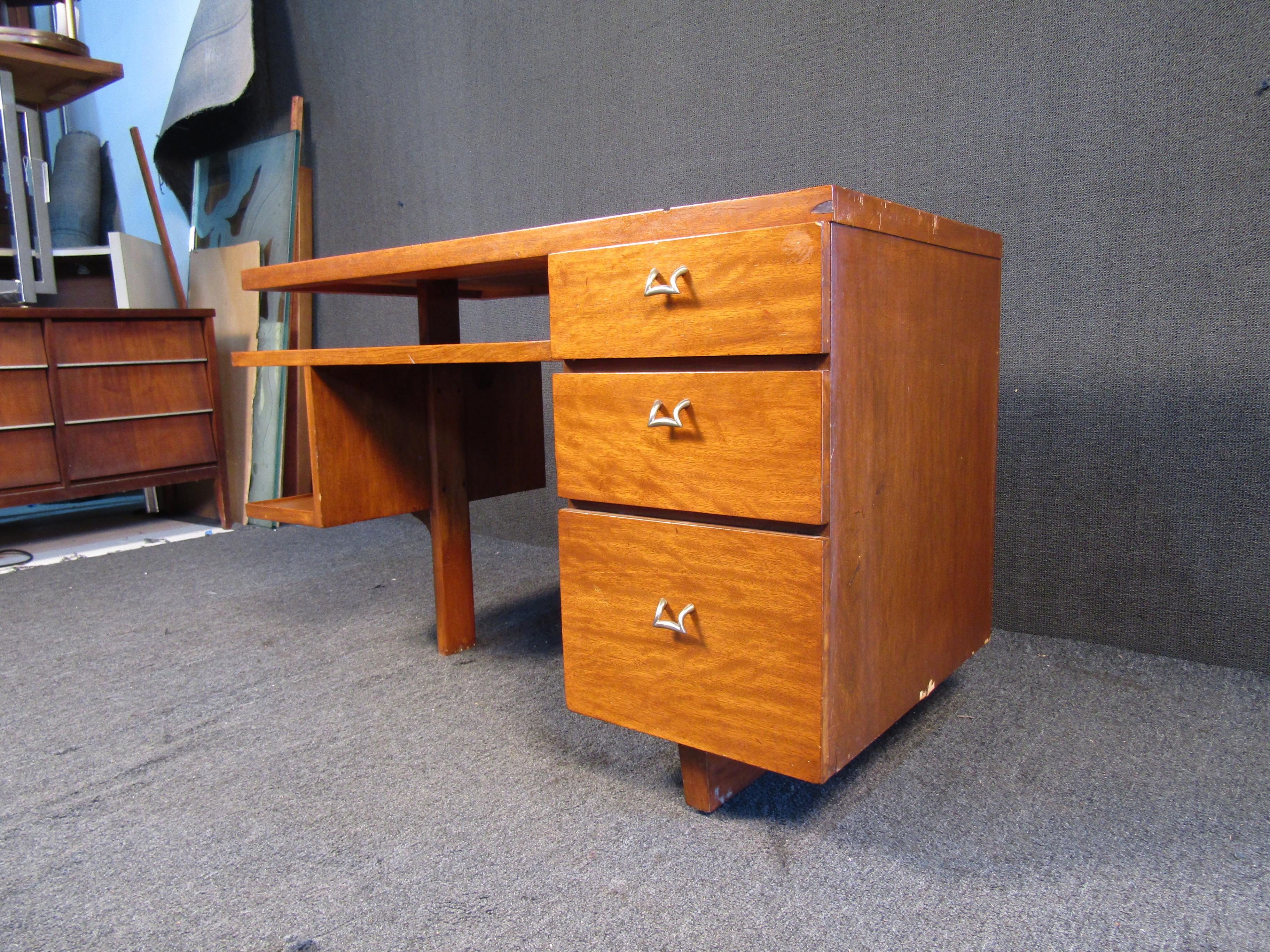
Before you fall in love with a particular design, measure your space meticulously. Consider not only the footprint of the desk but also the clearance needed for your chair and movement. A desk that is too large can overwhelm a small room, while one that is too small can feel cramped and inefficient.
- Room Dimensions: Measure the length, width, and height of the wall where the desk will be placed.
- Doorways and Hallways: Ensure the desk can be maneuvered into your space.
- Ergonomics: The ideal desk height for most people is around 29-30 inches, but this can be adjusted based on your height and chair.
2. Storage Solutions: Taming the Clutter
Mid-century modern design often prioritizes clean lines, but functional storage was rarely overlooked. Walnut MCM desks typically feature a variety of storage options to keep your workspace organized.
- Drawers: Consider the number, size, and depth of drawers needed for your essentials – pens, notebooks, files, etc. Dovetail joinery is a sign of quality construction.
- Open Shelving: Some desks incorporate open shelves for books, decorative items, or frequently used technology.
- Cabinetry: Built-in cabinets can provide discreet storage for larger items.
3. Material Quality and Construction: The Mark of Durability
The quality of the walnut and the craftsmanship of the desk are paramount for longevity and aesthetic appeal. For vintage pieces, inspect for signs of damage, and for reproductions, research the manufacturer’s reputation.
- Solid Walnut vs. Veneer: While many MCM desks feature solid walnut construction, some may use walnut veneer over a sturdy core material like plywood or particleboard. High-quality veneer can be just as durable and beautiful as solid wood. Inspect the edges and corners for any lifting or chipping of the veneer.
- Joinery: Look for well-executed joinery, such as dovetail joints in drawers, which indicate superior craftsmanship.
- Hardware: Examine the drawer pulls and any other hardware for solid construction and appropriate style.
4. Style and Design: The Aesthetic Harmony
Mid-century modern design is characterized by its timeless elegance, but there are variations within the style. Consider the overall aesthetic you’re trying to achieve in your space.
- Leg Style: Tapered legs are iconic, but you might find sled bases or pedestal designs as well.
- Drawer Fronts: Look for clean, unadorned drawer fronts, or those with subtle, integrated pulls.
- Surface Shape: Rectangular desks are classic, but kidney-shaped or L-shaped desks can offer unique functionality and visual interest.
5. Price and Budget: Finding the Sweet Spot
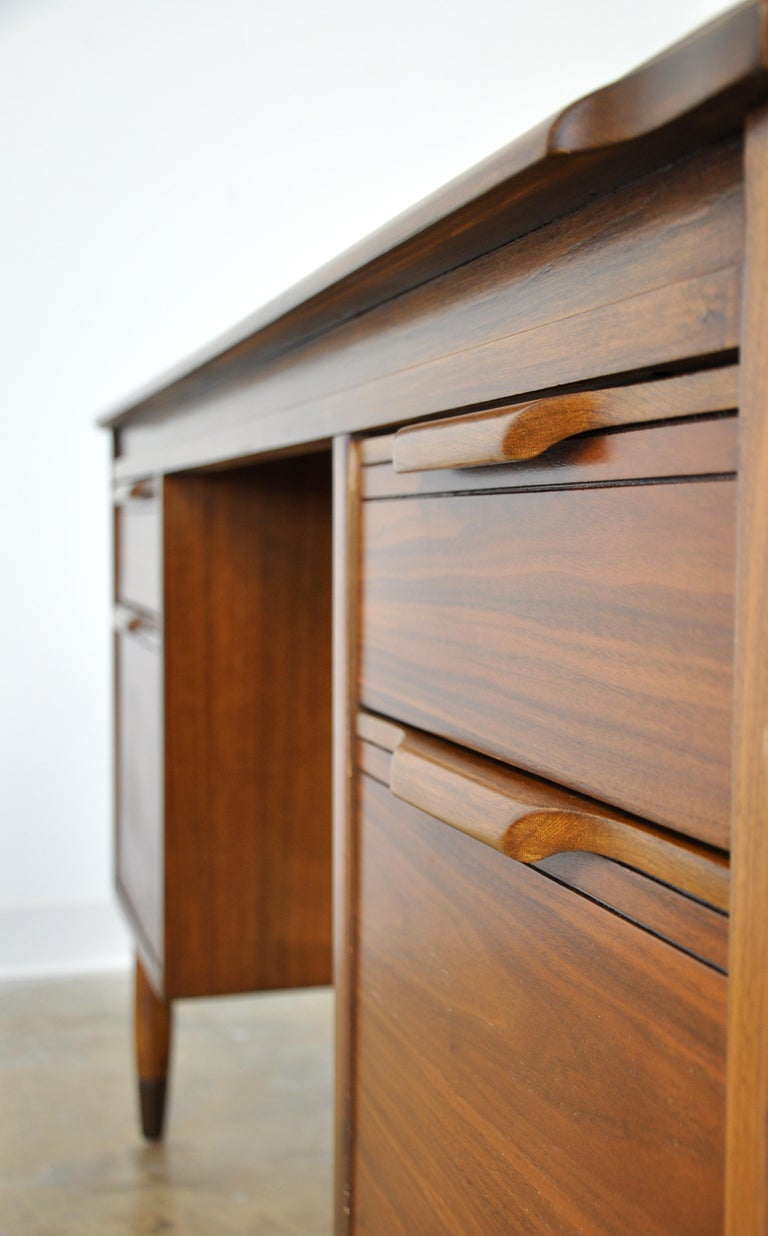
As mentioned, vintage pieces can range from a few hundred to several thousand dollars, while reproductions vary accordingly. Set a realistic budget before you begin your search, and be prepared to compromise on certain features if necessary.
Statistic: According to a report by the home décor market analysis firm, the global market for vintage furniture is projected to grow by 3.5% annually, highlighting its enduring appeal and value.
Where to Find Your Perfect Walnut MCM Desk

The hunt for the perfect desk can be an adventure in itself. Explore various avenues to maximize your chances of finding a treasure.
- Vintage & Antique Stores: These are prime hunting grounds for authentic MCM pieces. Be prepared to sift through a lot to find the gems.
- Online Marketplaces: Websites like Etsy, eBay, Chairish, and 1stDibs offer a vast selection of both vintage and reproduction MCM furniture. Be sure to read descriptions carefully and scrutinize photos.
- Specialty MCM Retailers: Many brick-and-mortar and online retailers specialize in mid-century modern furniture, offering curated selections and often higher quality reproductions.
- Estate Sales and Auctions: These can be excellent sources for unique finds, often at competitive prices, but require a keen eye and quick decision-making.
- Flea Markets: While less curated, flea markets can occasionally yield unexpected bargains and charming pieces.
Caring for Your Walnut Mid-Century Modern Desk
Once you’ve found your dream desk, proper care will ensure its beauty and longevity for years to come.
- Dust Regularly: Use a soft, dry microfiber cloth to remove dust.
- Wipe Spills Immediately: Liquids can damage the finish and warp the wood.
- Avoid Direct Sunlight and Heat: Prolonged exposure can cause fading and drying of the wood.
- Use Coasters and Placemats: Protect the surface from scratches and rings from cups.
- Occasional Polishing or Oiling: Depending on the finish, a good quality furniture polish or wood oil can help maintain its luster and protect the wood. Follow the manufacturer’s recommendations or consult a furniture restoration specialist.
A Timeless Investment in Style and Productivity
Finding the perfect mid-century modern walnut desk is more than just a furniture purchase; it’s an investment in timeless style, enduring quality, and a more organized, inspiring workspace. By understanding the allure of walnut, carefully considering your options between vintage and reproduction, and meticulously evaluating key features like size, storage, and construction, you can confidently navigate the market and discover a desk that not only elevates your home office but also brings a touch of iconic design to your everyday life. The journey of finding your perfect MCM walnut desk is a rewarding one, culminating in a piece that will be cherished for generations.