In recent years, liquid whey has emerged as a versatile and nutrient-dense ingredient, gaining significant traction in the food, beverage, and nutraceutical industries. As a byproduct of cheese and casein production, it’s a rich source of high-quality protein, lactose, minerals, and water-soluble vitamins. Its functional properties, such as emulsification, gelation, and foaming, make it an attractive option for product developers seeking to enhance texture, nutritional profiles, and overall appeal. However, navigating the online marketplace for this specialized ingredient can be a daunting task. This comprehensive guide aims to demystify the process of buying liquid whey online, empowering you with the knowledge to make informed purchasing decisions.
Understanding Liquid Whey: Properties and Applications
Before delving into the purchasing process, it’s crucial to understand what liquid whey is and its diverse applications. Liquid whey, also known as sweet whey or acid whey depending on the coagulation process of milk, is the aqueous solution remaining after milk fat and casein have been removed. Its composition can vary slightly based on the source milk and processing methods, but generally, it contains:
- Proteins: Primarily whey proteins, including beta-lactoglobulin, alpha-lactalbumin, bovine serum albumin, and immunoglobulins. These are fast-digesting and rich in essential amino acids, making them highly bioavailable.
- Lactose: A disaccharide that provides energy and contributes to sweetness and browning properties in food products.
- Minerals: Calcium, phosphorus, potassium, and sodium are present in significant amounts, contributing to electrolyte balance.
- Water-soluble Vitamins: Riboflavin (B2), pantothenic acid (B5), and vitamin B12 are commonly found.
The applications of liquid whey are extensive and continue to expand:
- Food Industry: Used in baked goods, dairy products (yogurt, ice cream), processed meats, soups, and sauces to improve texture, moisture retention, and nutritional value.
- Beverage Industry: Incorporated into protein shakes, sports drinks, and functional beverages for its protein content and mild flavor.
- Nutraceuticals and Dietary Supplements: A key ingredient in protein powders, recovery drinks, and infant formulas due to its high protein quality and bioavailability.
- Animal Feed: Increasingly utilized as a protein supplement in animal diets.
The Benefits of Buying Liquid Whey Online

The online marketplace offers several advantages for businesses and individuals looking to source liquid whey:
- Wider Selection: Online platforms connect buyers with a global network of suppliers, offering a broader range of whey types and specifications than might be available locally.
- Competitive Pricing: The competitive nature of online markets often leads to more favorable pricing, allowing for cost savings.
- Convenience: Ordering and managing shipments from the comfort of your office or home significantly streamlines the procurement process.
- Access to Information: Online product listings typically include detailed specifications, certifications, and often, supplier profiles, facilitating research and comparison.
Key Considerations When Buying Liquid Whey Online
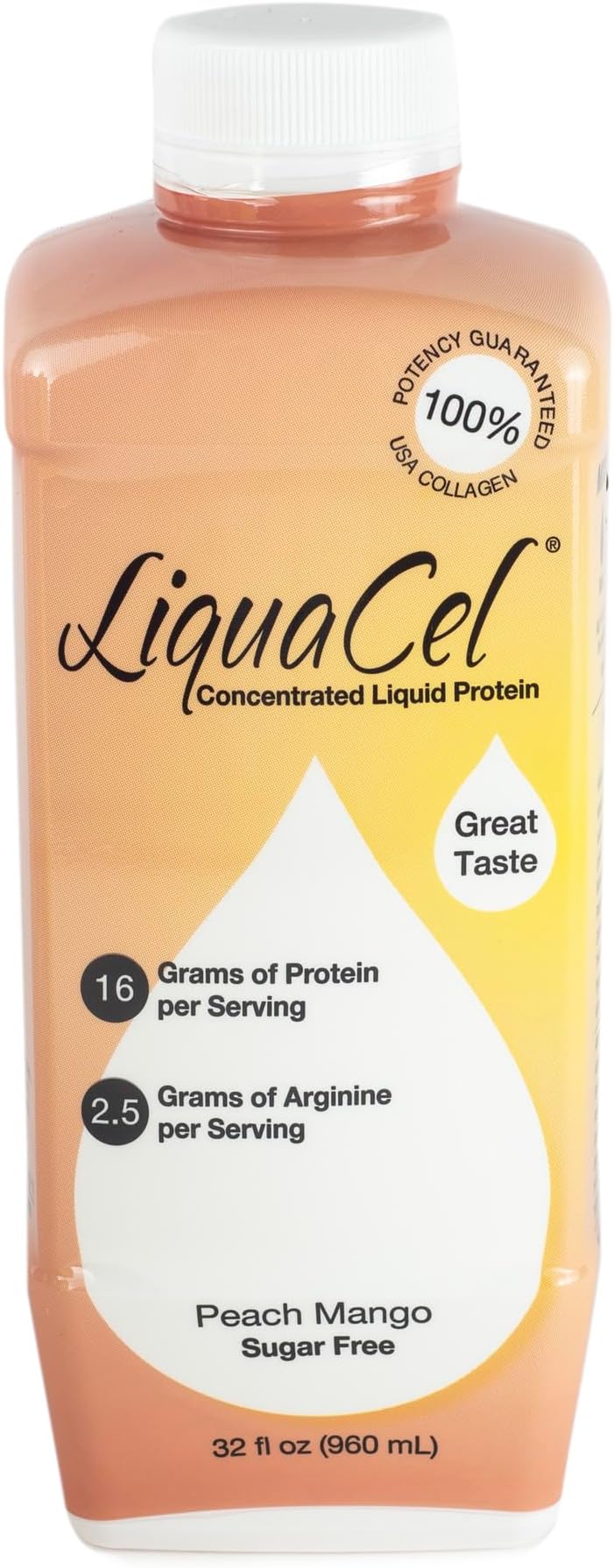
Purchasing liquid whey online requires careful due diligence. Here are the critical factors to consider:
1. Supplier Reputation and Reliability
The integrity of your supplier is paramount. Look for established companies with a proven track record in the dairy processing and ingredient supply chain. Key indicators of reliability include:
- Years in Business: A longer operational history often signifies stability and experience.
- Customer Reviews and Testimonials: Seek out independent reviews and testimonials to gauge customer satisfaction.
- Industry Affiliations: Membership in relevant industry associations can indicate a commitment to quality and best practices.
- Transparency: Reputable suppliers will be open about their sourcing, processing, and quality control measures.
For example, a study by the International Dairy Foods Association (IDFA) highlighted that consistent quality and reliable supply are the top priorities for ingredient buyers. Sourcing from a supplier with strong relationships with dairy farms and robust internal quality assurance protocols is crucial.
2. Product Specifications and Quality Standards
Liquid whey is not a monolithic product. Understanding its specifications will ensure it meets your specific application requirements.
Types of Liquid Whey:
- Sweet Whey: Produced during the manufacture of rennet-coagulated cheeses like cheddar and Swiss. It has a neutral pH and a milder flavor.
- Acid Whey: Generated from the production of acid-coagulated cheeses such as cottage cheese and mozzarella. It has a lower pH and a tangier taste.
Key Parameters to Check:
- Protein Content: Typically ranges from 0.6% to 1.2% by weight. Higher protein content is often desired for nutritional supplements.
- Lactose Content: Generally between 4.5% and 5% by weight. This is important for taste and functionality in food applications.
- Fat Content: Should be very low, typically less than 0.5%.
- Minerals: Specific mineral profiles might be important for certain nutritional applications.
- pH: Varies between sweet and acid whey.
- Microbiological Profile: Suppliers should provide certificates of analysis (COAs) detailing microbial counts (e.g., total plate count, yeasts, molds, E. coli, Salmonella).
- Absence of Contaminants: Ensure the whey is free from antibiotics, heavy metals, and other undesirable substances.
Certifications and Quality Assurance:
Look for suppliers who adhere to stringent quality standards and possess relevant certifications. These can include:
- ISO 22000/FSSC 22000: Food safety management systems.
- HACCP (Hazard Analysis and Critical Control Points): A systematic preventive approach to food safety.
- Kosher/Halal Certification: For specific market requirements.
- Organic Certification: If sourcing organic liquid whey.
- GMP (Good Manufacturing Practices): Ensures products are consistently produced and controlled according to quality standards.
A case study by a global food manufacturer revealed that switching to a supplier with FSSC 22000 certification reduced their internal quality control testing by 15% due to the supplier’s robust quality assurance framework.
3. Packaging and Storage

Liquid whey is perishable and requires proper handling to maintain its quality and safety.
- Packaging Types: Common packaging includes bulk tankers, intermediate bulk containers (IBCs), and smaller drums. The choice depends on your volume requirements and internal handling capabilities.
- Refrigeration: Liquid whey must be stored and transported under refrigeration, typically between 0-4°C (32-40°F). Ensure the supplier’s logistics maintain this temperature throughout the supply chain.
- Shelf Life: Understand the stated shelf life and any recommended storage conditions to ensure product viability upon arrival and during your own storage.
4. Pricing and Payment Terms

While competitive pricing is an advantage of online purchasing, it’s essential to understand the complete cost:
- Unit Price: The cost per liter or gallon.
- Minimum Order Quantities (MOQs): Many suppliers have MOQs, which can influence pricing.
- Shipping Costs: Factor in the cost of refrigerated transport, which can be significant.
- Import Duties and Taxes: If sourcing internationally, these can add considerably to the final cost.
- Payment Terms: Common terms include upfront payment, net 30, or other negotiated agreements.
Statistics from the global dairy ingredients market indicate that transportation and cold chain management represent a substantial portion of the overall cost for liquid dairy byproducts.
5. Logistics and Shipping
Efficient and reliable logistics are critical for perishable goods like liquid whey.
- Delivery Times: Clarify expected delivery windows and confirm that the supplier can meet your operational needs.
- Tracking and Traceability: Ensure you can track your shipment and that the supplier has robust traceability systems in place.
- Returns and Claims Policy: Understand the supplier’s policy in case of damaged goods or quality discrepancies upon arrival.
Finding and Vetting Online Suppliers
Several avenues exist for finding liquid whey suppliers online:
1. Ingredient Marketplaces and B2B Platforms
Platforms like Alibaba, GlobalSpec, and specific food ingredient portals can connect you with a wide array of suppliers. These platforms often provide supplier ratings, company profiles, and communication tools.
2. Direct Supplier Websites
Many large dairy processors and ingredient manufacturers have their own websites with detailed product information and contact forms. Performing targeted searches for “liquid whey suppliers,” “dairy byproduct suppliers,” or “whey ingredients” can lead you to these direct sources.
3. Industry Trade Shows and Directories

While not strictly online, many trade shows have online directories of exhibitors that can be a valuable resource for identifying potential suppliers. Networking at these events can also lead to trusted referrals.
The Vetting Process: A Step-by-Step Approach
Once you’ve identified potential suppliers, a structured vetting process is essential:
- Initial Inquiry: Contact suppliers with your specific requirements, including desired product specifications, volume, and delivery location.
- Request for Quotation (RFQ): Obtain detailed quotes that include all costs (product, shipping, duties).
- Request for Samples: Always request samples for your internal quality control and application testing. This is a non-negotiable step.
- Request for Documentation: Ask for Certificates of Analysis (COAs) for the samples, as well as copies of their relevant certifications and quality assurance protocols.
- Supplier Audits (Optional but Recommended for Large Volumes): For significant or ongoing purchases, consider a site visit or third-party audit of the supplier’s facilities.
- Reference Checks: Ask for references from other customers in your industry.
Navigating Potential Challenges

Despite the benefits, challenges can arise when buying liquid whey online:
- Quality Variability: Without hands-on inspection, ensuring consistent quality can be a concern. Thorough sample testing and robust supplier vetting mitigate this risk.
- Logistical Hurdles: International shipping, customs clearance, and maintaining the cold chain require careful planning and reliable logistics partners.
- Communication Barriers: Time zone differences, language barriers, and cultural nuances can sometimes complicate communication.
- Payment Security: Ensure secure payment gateways and clear terms to protect your financial transactions.
A report by the Food and Agriculture Organization (FAO) emphasizes the importance of establishing clear communication channels and understanding contractual obligations to overcome cross-border trade challenges in food ingredients.
Liquid whey is a valuable ingredient with a growing range of applications. Buying it online offers unparalleled access to a global market, competitive pricing, and convenience. However, success hinges on a meticulous approach to supplier selection, product specification understanding, and logistical planning. By prioritizing supplier reputation, demanding detailed quality documentation, meticulously testing samples, and carefully considering all associated costs and logistical requirements, businesses can confidently and effectively source high-quality liquid whey online. This comprehensive guide has equipped you with the knowledge to navigate this complex marketplace, ensuring you secure a reliable and cost-effective supply of this versatile ingredient, ultimately contributing to the success of your product development and manufacturing endeavors.