The intersection of art and finance is a fascinating realm where creativity meets commerce, especially in the iconic setting of Wall Street. The outdoor sculptures and installations found in this financial district serve not only as aesthetic enhancements but also as powerful commentaries on economic history. As a reflection of societal values, economic shifts, and the relentless pursuit of power, Wall Street art tells a compelling story. This article delves into how these sculptures encapsulate the spirit of monetary endeavors and the socio-political climate surrounding them.
The Historical Context of Wall Street Art
Wall Street has long been regarded as the financial heartbeat of the United States, and its art reflects the evolving narratives of economic history. The area has witnessed various financial booms and busts, each leaving its imprint on the artistic landscape. The following historical milestones are critical to understanding Wall Street’s artistic evolution:
- The Birth of Modern Finance (Late 18th Century): The establishment of the New York Stock Exchange in 1817 marked the beginning of Wall Street’s transformation into a financial hub.
- The Great Depression (1929): This catastrophic economic downturn prompted artists to create works that critiqued capitalism and its failures.
- The Post-War Boom (1945-1970s): Economic prosperity led to a surge in public art, reflecting the optimism of the era.
- The 2008 Financial Crisis: The collapse of major financial institutions catalyzed a wave of critical art that questioned the integrity of the financial system.
Prominent Sculptures on Wall Street
Several significant sculptures in the Wall Street area have come to symbolize various economic ideologies and historical moments. These installations not only embellish the landscape but also provoke thought and dialogue about capitalism and power.
The Charging Bull

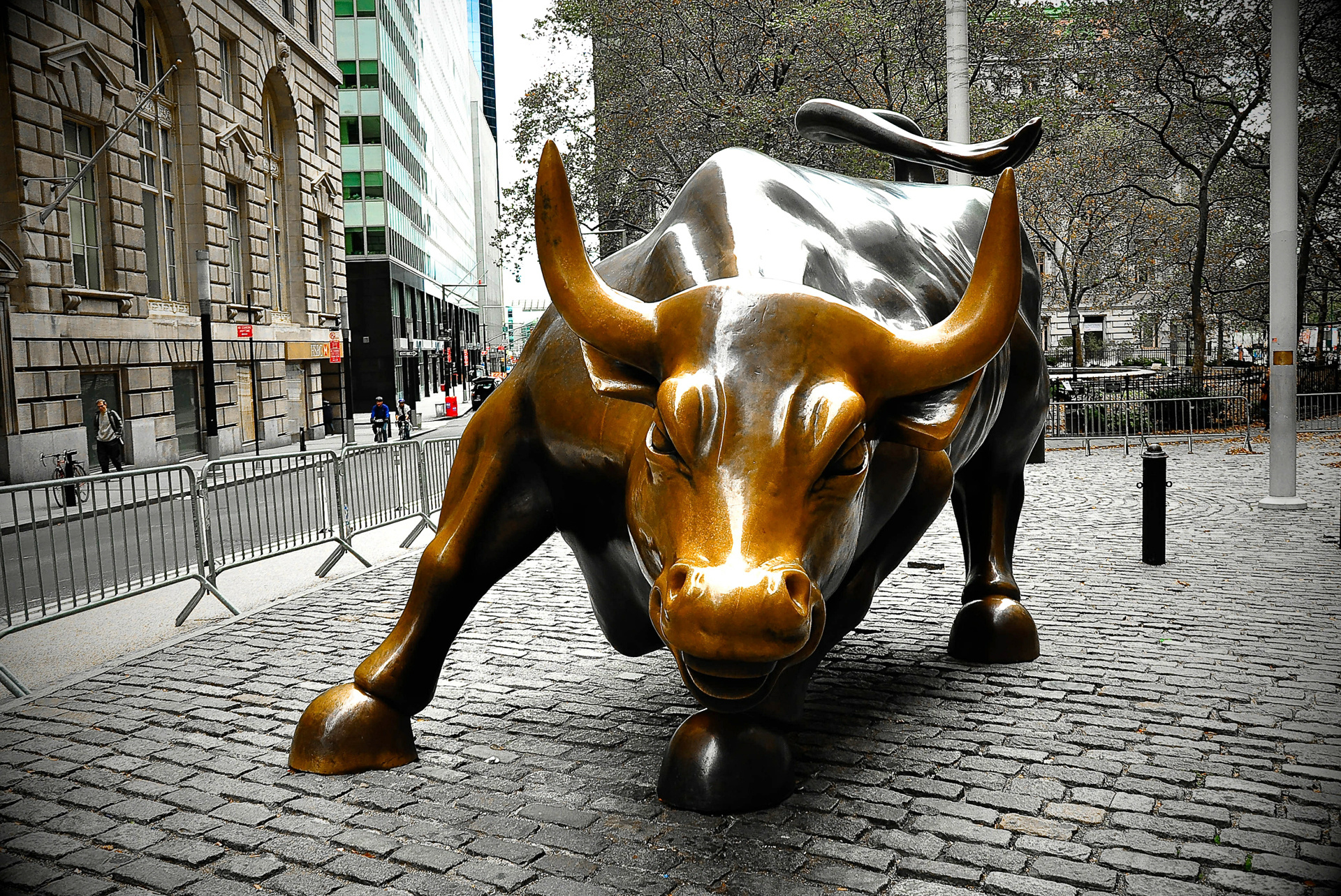
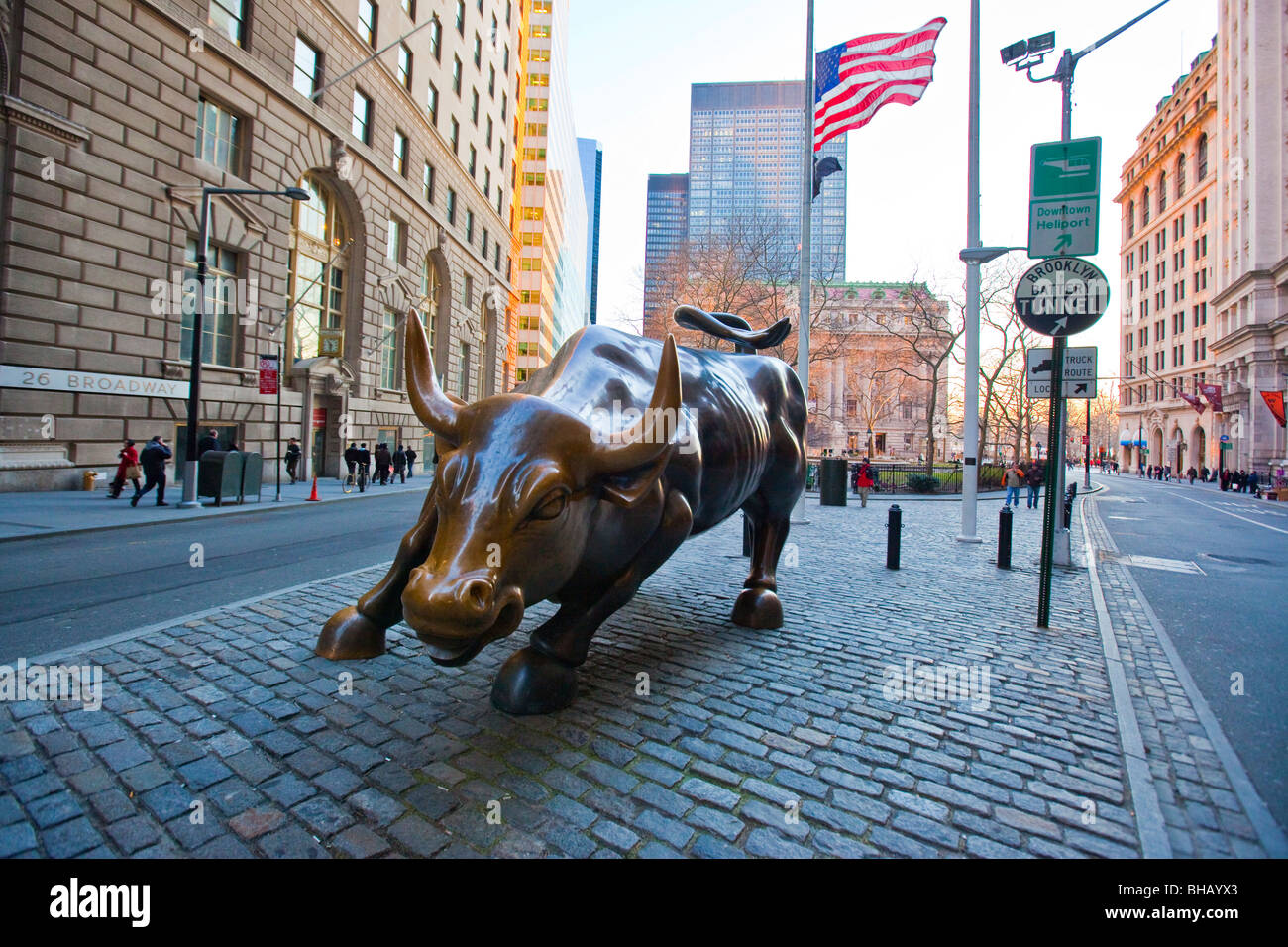
One of the most iconic symbols of Wall Street is Arturo Di Modica’s “Charging Bull,” which was installed in 1989. The bull represents strength, resilience, and the bullish nature of the stock market. It has become a global symbol of financial optimism and prosperity.
- Symbolism: The bull signifies aggressive financial optimism, and its placement near the New York Stock Exchange emphasizes its connection to economic power.
- Public Reception: The bull has garnered millions of visitors and is a focal point for tourists and locals alike, symbolizing the collective hope for financial recovery.
The Fearless Girl
/26WallStreet-145888823-56aae01b3df78cf772b49bcc.jpg)
In stark contrast to the Charging Bull, Kristen Visbal’s “Fearless Girl” was installed in 2017 facing the bull. This statue represents female empowerment and challenges the predominantly male-driven financial industry.
- Empowerment Message: The Fearless Girl encourages women to take on leadership roles in finance and beyond.
- Social Commentary: The installation sparked conversations about gender equality in the workplace, further emphasizing the need for inclusivity in power structures.
The New York Stock Exchange’s Facade
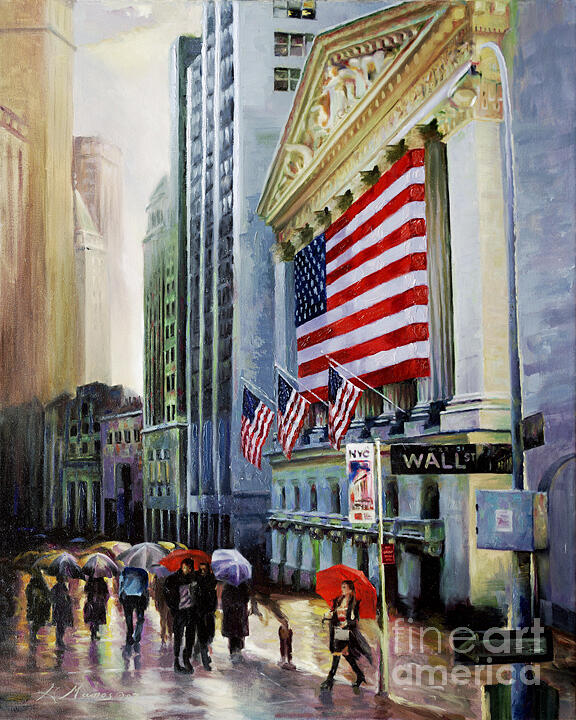
While not a sculpture in the traditional sense, the neoclassical facade of the New York Stock Exchange itself serves as a monumental work of art. Completed in 1903, its grandeur reflects the power and stability of the U.S. financial system.
- Architectural Significance: The imposing columns and pediment convey strength, authority, and tradition, symbolizing the trust placed in financial institutions.
- Cultural Reflection: The facade has become a symbol of American capitalism and its historical significance in shaping global finance.
Case Studies of Economic and Artistic Intersections
The relationship between art and economics is not merely theoretical; it can be observed in various case studies that illustrate how Wall Street art has responded to economic events.
Art During Economic Crises
Economic downturns often inspire artists to critique prevailing ideologies. For instance, during the Great Depression, artists such as Dorothea Lange and Ben Shahn used their work to highlight the struggles of everyday Americans.
- Public Art Initiatives: The Federal Art Project commissioned artists to create works that depicted the realities of the time, contributing to a cultural legacy that critiques capitalism.
- Modern Responses: The 2008 financial crisis saw artists like Andrea Fraser and Dread Scott create provocative pieces questioning the ethics of the financial industry, reflecting public sentiment about corporate greed.
Art as Economic Indicator
Art movements often serve as indicators of economic health. The rise of abstract expressionism during the post-World War II economic boom, for instance, mirrored the financial prosperity of the time.
- Investment in Art: As disposable income increased, so did investment in art, leading to the establishment of major galleries and auction houses.
- Shift in Values: The art of this era reflected a shift towards individualism and personal expression, paralleling the American Dream ethos of economic success.
Statistics and Trends in Wall Street Art
Understanding the economic impact of art on Wall Street involves analyzing relevant statistics and trends that highlight the significance of this intersection.
- Market Growth: The global art market was valued at approximately $64 billion in 2021, indicating a growing interest in art as an investment.
- Public Engagement: Surveys indicate that approximately 70% of Americans believe public art enhances community pride and fosters economic development.
- Tourism Impact: Attractions like the Charging Bull draw over 1 million visitors annually, generating substantial economic activity in the area.
The Future of Wall Street Art

The future of Wall Street art is poised to evolve alongside shifting economic landscapes and societal values. As we move towards a more inclusive and diverse economic environment, the art that adorns Wall Street will likely reflect these changes.
- Increased Diversity: Future sculptures may represent a broader spectrum of voices, particularly underrepresented communities in finance.
- Interactive Installations: Advancements in technology may lead to more interactive and immersive art experiences, engaging the public in dialogue about economic issues.
- Environmental Sustainability: With a growing emphasis on sustainability, future artworks may focus on themes of environmental stewardship and the economic implications of climate change.
Wall Street’s sculptures are more than just decorative pieces; they are powerful reflections of economic history, societal values, and the complex interplay between art and finance. From the bullish optimism of the Charging Bull to the empowering presence of the Fearless Girl, these artworks encapsulate the spirit of their times while challenging viewers to reflect on the past and consider the future of economic power. As we navigate an ever-changing financial landscape, the art that adorns Wall Street will undoubtedly continue to serve as a mirror, reflecting our successes, failures, and aspirations in the realm of finance.