In the intricate and often hidden infrastructure of modern buildings, electrical risers play a critical role. These vertical shafts house the vital arteries of a building’s electrical system – cables, conduits, and associated equipment. While essential for power distribution, these spaces also present significant fire and safety risks. This is where electrical riser doors, also known as fire-rated riser doors or service access panels, become indispensable. Far from being mere access points, these doors are sophisticated safety devices engineered to compartmentalize fire and smoke, protect life, and safeguard property. Understanding their essential safety features is paramount for building owners, facility managers, architects, and anyone concerned with building safety.
The Critical Role of Electrical Risers and the Associated Risks
Electrical risers are the backbone of a building’s power supply. They run vertically through floors, providing pathways for electrical cables to connect power sources to various levels and units. The sheer volume of electrical cabling within these shafts, coupled with the potential for insulation damage, electrical faults, and overheating, makes them inherent fire hazards. A fire originating within an electrical riser can spread rapidly upwards and downwards through the building, bypassing traditional fire barriers and creating a catastrophic scenario. Furthermore, smoke, which is often more dangerous than flames due to its toxicity and obstructiveness, can quickly fill escape routes, leading to panic and suffocation.
Statistics highlight the severity of this risk. According to the National Fire Protection Association (NFPA), electrical failures are a leading cause of fires in non-residential buildings. While specific statistics for fires originating solely in electrical risers are difficult to isolate, the cascading effect of such fires is well-documented. A single incident can lead to extensive property damage, business interruption, and, tragically, loss of life. This underscores the importance of robust fire prevention and containment strategies, with electrical riser doors being a cornerstone of these efforts.
What is an Electrical Riser Door?
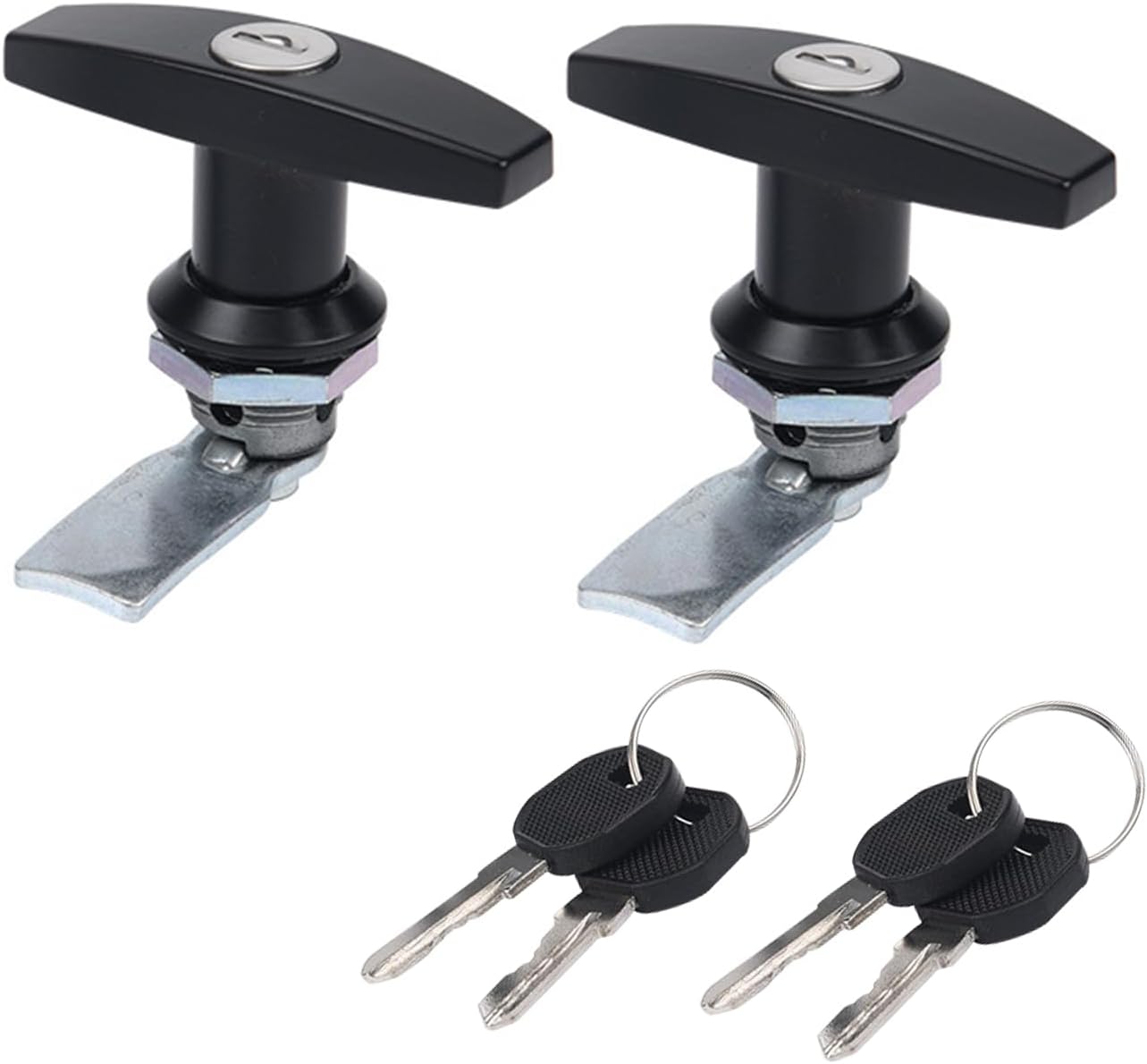
An electrical riser door is a specialized access panel designed to be installed in walls adjacent to electrical riser shafts. Unlike a standard door, it is engineered to provide a specified level of fire resistance. This means that in the event of a fire, the door will maintain its integrity and prevent the passage of flames and smoke for a predetermined period, typically measured in hours (e.g., 30, 60, 90, 120 minutes). This crucial fire containment capability allows occupants time to evacuate safely and gives firefighters a window of opportunity to tackle the blaze.
Essential Safety Features of Electrical Riser Doors
The effectiveness of an electrical riser door hinges on a combination of meticulously engineered features. These go far beyond simple material composition and involve a comprehensive understanding of fire dynamics and building codes. Key features include:
1. Fire Resistance Rating

This is the most critical feature. Electrical riser doors are tested and certified by accredited third-party organizations (such as UL, Warrington Fire, or BRE in the UK) to withstand fire exposure for a specific duration. This rating is determined through rigorous fire testing that simulates real-world fire conditions. A door with a 60-minute fire rating, for example, will resist the passage of flames and hot gases for at least 60 minutes under intense heat. The required rating for a particular installation is dictated by local building codes and fire regulations, which often consider the building’s height, occupancy type, and proximity to other structures.
2. Smoke Seals
Fire is often accompanied by the generation of dense, toxic smoke. Smoke seals, typically made from intumescent and/or neoprene materials, are integrated into the door frame and the door itself. These seals expand significantly when exposed to heat (intumescent) or provide a physical barrier (neoprene), effectively closing any gaps around the door. This prevents smoke from migrating into adjacent areas, protecting escape routes and improving visibility for evacuation and firefighting efforts. The importance of effective smoke sealing cannot be overstated, as smoke inhalation is a leading cause of fire-related fatalities.
3. Self-Closing Mechanism
For an electrical riser door to provide effective fire and smoke containment, it must be in the closed position at all times when not actively being used for access. This is ensured by a reliable self-closing mechanism, typically a spring-loaded hinge or a hydraulic closer. These mechanisms automatically shut the door after it has been opened, guaranteeing that the fire barrier is restored without relying on manual intervention. It’s crucial that these mechanisms are robust, regularly inspected, and maintained to ensure their functionality.
4. Fire-Rated Materials and Construction

The door leaf and frame are constructed from specialized fire-resistant materials. Common materials include:
- Galvanized steel: Provides structural integrity and can be reinforced with internal fire-resistant insulation.
- Mineral wool or ceramic fiber insulation: These materials have excellent thermal resistance and are non-combustible, effectively limiting heat transfer through the door.
- Fire-rated gypsum board or cementitious composites: These can be incorporated into the door construction to enhance its fire resistance.
The construction method is equally important, ensuring that all components are securely fastened and that there are no weak points that could compromise the door’s integrity under fire conditions. Weld integrity and joint sealing are critical aspects of this construction.
5. Secure and Easy-to-Operate Locking Mechanism
While safety is paramount, the door must also allow for necessary access by authorized personnel for maintenance and inspections. Therefore, a secure and yet easily operable locking mechanism is essential. This often involves a lock that can be operated from both sides of the door, with a key override. For situations requiring rapid access by emergency services, panic hardware or specific lock releases may be incorporated. The lock itself must also be fire-rated to prevent it from failing under extreme heat.
6. Durability and Longevity
Electrical riser doors are typically subject to frequent use, especially in busy commercial buildings. They need to be robust enough to withstand repeated opening and closing without compromising their safety features. High-quality materials and construction ensure that the door maintains its structural integrity and fire-resistance over its lifespan, providing reliable protection for many years.
7. Compliance with Building Codes and Standards

Perhaps the most overarching safety feature is the door’s compliance with all relevant national and local building codes and fire safety regulations. These codes stipulate the minimum fire resistance ratings, smoke seal requirements, and installation standards. Choosing a riser door that is certified to meet these standards by recognized authorities is non-negotiable. Building owners and specifiers must ensure that the chosen doors are accompanied by valid certification and that the installation is carried out by qualified professionals according to the manufacturer’s instructions and relevant codes.
Examples and Case Studies
Consider a high-rise residential building. An electrical fault in a riser shaft on the 15th floor ignites a fire. Without fire-rated riser doors, the flames and smoke would quickly spread through the shaft to floors above and below, potentially engulfing the entire building. However, with properly installed and certified 120-minute fire-rated riser doors, the fire is contained within the shaft for a significant period. This crucial containment allows residents on unaffected floors to evacuate safely, and provides firefighters with invaluable time to reach the fire and extinguish it, minimizing damage and preventing loss of life.
In a tragic case study, a fire in a commercial building was exacerbated by the rapid spread of smoke through unsealed service shafts. This led to delays in evacuation and increased the severity of injuries sustained by occupants. This incident, and many others like it, have reinforced the critical need for comprehensive fire compartmentation, with electrical riser doors playing a vital role in preventing such scenarios.
Installation and Maintenance: Ensuring Ongoing Safety
The effectiveness of an electrical riser door is not solely dependent on its design and manufacturing but also on its correct installation and ongoing maintenance. Improper installation can render even the highest-rated door ineffective. This includes:
- Ensuring the door frame is securely fixed to a fire-rated wall structure.
- Correctly installing and testing smoke seals.
- Properly fitting and testing the self-closing mechanism.
- Ensuring the locking mechanism functions correctly and is not obstructed.
Regular maintenance is equally crucial. This involves:
- Periodic inspection of the door, frame, seals, and closing mechanism for any signs of damage or wear.
- Testing the self-closing mechanism to ensure it operates smoothly and closes the door fully.
- Checking the integrity of smoke seals.
- Ensuring locks are functioning correctly and that no unauthorized modifications have been made.
- Keeping records of all inspections and maintenance activities.
A well-maintained riser door is a reliable safety asset; a neglected one can become a significant liability.
Electrical riser doors are often overlooked components of a building’s safety system, yet their function is critical. They are sophisticated engineering solutions designed to combat the inherent risks associated with electrical riser shafts. From their fire-resistance rating and effective smoke seals to their self-closing mechanisms and durable construction, each feature plays a vital role in protecting lives and property. Understanding these essential safety features, ensuring correct installation, and committing to regular maintenance are not optional extras but fundamental responsibilities for anyone involved in the design, construction, and management of buildings. By prioritizing the selection and upkeep of high-quality electrical riser doors, we build safer, more resilient structures for everyone.