For homeowners and landscaping professionals alike, a lush, well-maintained lawn is more than just an aesthetic appeal; it’s a reflection of care, dedication, and investment. While the ride-on mower is the undisputed workhorse of lawn maintenance, its efficiency and versatility can be significantly amplified by the addition of a trailer. However, not all trailers are created equal, and selecting the right one can be the difference between a tedious chore and a streamlined, productive operation. This article delves into the critical factors to consider when choosing a ride-on mower trailer, empowering you to make an informed decision that maximizes your lawn care efforts.
The Unseen Ally: Why a Trailer Matters
Before we dive into the specifics of trailer selection, let’s underscore the undeniable benefits of incorporating a trailer into your ride-on mower setup. A trailer transforms your mower from a grass-cutting machine into a multi-functional tool, capable of handling a multitude of lawn care tasks with unparalleled ease.
- Efficient Debris Removal: No more back-breaking trips to the compost bin or trash can. Collect grass clippings, fallen leaves, and garden waste directly into the trailer as you mow, saving considerable time and effort.
- Material Transport: Hauling soil, mulch, sand, fertilizer, or even small landscaping projects becomes a breeze. A trailer allows you to move these heavy materials around your property without the need for a separate truck or wheelbarrow for each trip.
- Gardening Assistance: From transporting tools to carrying harvested produce, a trailer extends the functionality of your mower into various gardening activities, making your green thumb even greener.
- Winter Preparedness: In colder climates, trailers are invaluable for moving snow blowers, shovels, salt, and other winter maintenance equipment.
Understanding Your Needs: The Foundation of the Right Choice
The most crucial step in selecting a ride-on mower trailer is a thorough assessment of your specific needs and how you intend to utilize it. Answering these questions will guide you towards the most suitable option:
1. What is the Primary Purpose of the Trailer?
Are you primarily looking to haul grass clippings and leaves? Or do you envision using it for transporting heavier materials like soil and mulch? Your primary use case will dictate the required capacity, construction, and features.
2. What is the Size of Your Property?
For smaller suburban lawns, a compact trailer might suffice. However, if you manage an acreage or a property with significant landscaping projects, a larger capacity and more robust trailer will be essential to avoid multiple trips.
3. What Type of Terrain Will You Be Traversing?
Hilly or uneven terrain demands a trailer with good stability and sturdy tires that can handle various surfaces. Smooth, flat lawns might allow for less specialized designs.
4. What is Your Budget?

Trailers range significantly in price, from basic utility models to heavy-duty, specialized units. Determine a realistic budget to narrow down your options.
5. What is the Towing Capacity of Your Ride-On Mower?
This is a critical, often overlooked, specification. Consult your mower’s manual to understand its towing limit. Overloading your mower can lead to damage and safety hazards. Most residential ride-on mowers can comfortably tow trailers with capacities ranging from 200 to 500 pounds.
Key Features to Consider in a Ride-On Mower Trailer
Once you have a clear understanding of your needs, you can begin evaluating trailers based on their key features:
A. Capacity and Size: The Volume Game
Trailers come in various sizes and capacities, typically measured in cubic feet or weight. For collecting clippings and leaves, consider a trailer with a generous volume (e.g., 8-12 cubic feet). If you plan to haul heavier materials, prioritize a lower profile but sturdy construction with a higher weight capacity.
- Small Capacity (3-6 cubic feet): Ideal for small to medium-sized lawns and primarily for grass clippings.
- Medium Capacity (7-10 cubic feet): A good all-around choice for most residential properties, handling clippings, leaves, and lighter materials.
- Large Capacity (10+ cubic feet): Best suited for large properties, frequent debris collection, and hauling substantial amounts of garden materials.
B. Material and Construction: Durability for the Long Haul
The material and construction of a trailer directly impact its durability and lifespan. Common materials include:
- Plastic (Polyethylene): Lightweight, rust-resistant, and generally more affordable. Ideal for clipping collection and lighter loads. However, they can be more susceptible to cracking under heavy stress or extreme temperatures.
- Steel: Robust and durable, steel trailers offer excellent weight capacity. They are often painted or powder-coated to resist rust but can be heavier and prone to corrosion if the coating is damaged.
- Aluminum: A premium option offering a balance of strength, lightweight design, and rust resistance. More expensive but a great choice for longevity and ease of handling.
Look for sturdy welds, reinforced seams, and a well-constructed frame. A thicker gauge of material generally indicates greater durability.
C. Tire Type and Size: Navigating the Terrain

The tires play a crucial role in the trailer’s stability, maneuverability, and ability to handle different terrains. Larger diameter tires (e.g., 10-12 inches) generally provide a smoother ride, better traction, and are less prone to getting stuck.
- Pneumatic Tires (Air-filled): Offer excellent shock absorption and traction on uneven surfaces. They require occasional inflation.
- Solid Tires: Maintenance-free but can provide a rougher ride and less traction on slippery surfaces.
Consider the tread pattern as well. Knobby or aggressive treads are beneficial for off-road or muddy conditions, while smoother treads are sufficient for manicured lawns.
D. Dumping Mechanism: Ease of Use Matters
This feature is paramount for efficient debris removal. Trailers typically come with one of the following dumping mechanisms:
- Manual Dump: Requires you to physically tip the trailer to empty it. Simple and reliable but can be strenuous with heavy loads.
- Foot Pedal Dump: A lever or pedal allows you to release the dump mechanism while remaining seated on your mower. Offers a good balance of convenience and control.
- Winch-Operated Dump: Utilizes a winch to gradually tilt the trailer, ideal for very heavy loads.
Consider the ease of engagement and disengagement of the mechanism, especially if you have mobility limitations.
E. Hitch Type: The Connection is Key

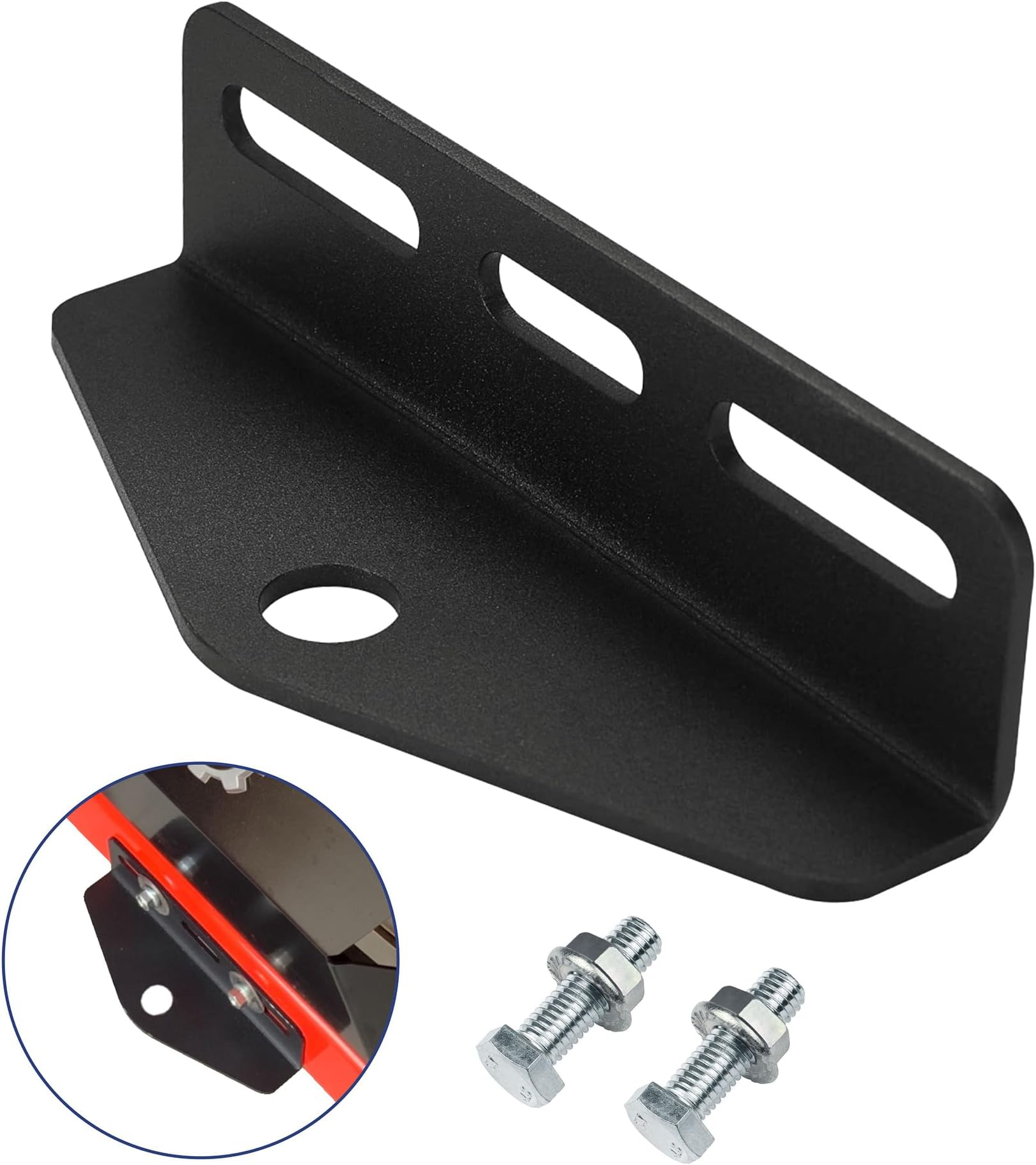
Ensure the trailer’s hitch is compatible with your ride-on mower’s hitch receiver. Most ride-on mowers use a standard pin-style hitch. Some trailers offer adjustable hitches for greater compatibility. A secure and well-fitting hitch is vital for safe operation.
F. Additional Features: Enhancing Functionality
While not essential for all users, these features can significantly enhance your trailer’s utility:
- Removable Tailgate: Simplifies loading and unloading of larger items.
- Lid or Cover: Prevents debris from blowing out during transport and protects contents from the elements.
- Stake Pockets: Allow you to create custom sides for the trailer, increasing its capacity for loose materials.
- Reflectors: Enhance visibility and safety, especially when operating near roads.
Case Study: From Frustration to Efficiency
Sarah, a homeowner with a 2-acre property, was struggling with managing her fallen leaves each autumn. She would spend hours raking and then multiple trips with a wheelbarrow to haul them to the compost pile. After researching, she invested in a 10-cubic-foot poly trailer with a foot pedal dump mechanism that attached to her existing ride-on mower. The transformation was remarkable. What used to take her a full weekend of strenuous labor was now accomplished in a few hours, with significantly less physical strain. She also found herself using the trailer for other tasks, like moving mulch for her garden beds and hauling away branches after pruning.
Statistics Speak Louder: The Time-Saving Advantage

While precise statistics on trailer usage are scarce, anecdotal evidence and industry observations suggest a significant increase in efficiency. For instance, a landscaper who previously made 10 trips with a wheelbarrow to clear debris from a large mowing job could reduce that to just 2-3 trips with a properly sized trailer attached to their zero-turn mower. This translates to hours saved per week, allowing for more jobs to be completed or more time dedicated to other aspects of lawn care and business operations.
Maintenance and Care for Your Trailer

To ensure your ride-on mower trailer serves you well for years to come, regular maintenance is crucial:
- Clean Regularly: Wash down the trailer after use, especially if hauling abrasive materials like soil or gravel, to prevent rust and corrosion.
- Check Tire Pressure: Maintain proper tire inflation for optimal performance and to prevent premature wear.
- Inspect for Damage: Regularly check for cracks, dents, or loose parts. Address any issues promptly.
- Lubricate Moving Parts: For dump mechanisms or hinges, a light application of lubricant can ensure smooth operation.
- Rust Prevention (for steel trailers): Touch up any chipped paint to prevent rust from spreading.
Your Lawn’s New Best Friend
Choosing the right ride-on mower trailer is an investment that pays dividends in time, effort, and overall lawn care effectiveness. By carefully considering your property size, intended uses, budget, and the specific features available, you can select a trailer that not only complements your mower but transforms your lawn maintenance routine from a chore into a more manageable and enjoyable task. A well-chosen trailer is not just an accessory; it’s an essential partner in achieving and maintaining that pristine, healthy lawn you desire.