Your ride-on mower is a powerful tool, and for many, its trailer is an indispensable accessory. Whether you’re hauling grass clippings, garden debris, mulch, or even supplies for your next landscaping project, a well-maintained trailer ensures that your lawn care tasks are efficient and hassle-free. Neglecting trailer maintenance, however, can lead to breakdowns, costly repairs, and even safety hazards. Fortunately, with a bit of proactive care and some DIY spirit, you can keep your ride-on mower trailer in optimal condition for years to come. This comprehensive guide will equip you with the knowledge and tips to perform essential DIY maintenance, ensuring your trailer remains a reliable workhorse.
The Unsung Hero: Understanding Your Mower Trailer’s Importance
While the mower itself often gets all the attention, the trailer plays a crucial role in maximizing its utility. A sturdy trailer allows you to:
- Efficiently manage clippings: Say goodbye to multiple trips to the compost bin.
- Transport materials: Easily move soil, mulch, gravel, and other landscaping supplies.
- Clear debris: Tidy up your yard after storms or seasonal cleanups.
- Reduce physical strain: Avoid the heavy lifting of bags and bulky items.
Ignoring trailer maintenance is like ignoring a crucial component of your entire lawn care system. A neglected trailer can manifest problems such as:
- Tire blowouts: Leading to delays and the need for replacement.
- Bearing failures: Causing wheels to seize up and potentially damaging the axle.
- Corrosion and rust: Weakening the frame and leading to structural integrity issues.
- Faulty hitch or attachment mechanism: Risking detachment while in motion.
Investing a small amount of time and effort in DIY maintenance will undoubtedly save you significant time, money, and frustration in the long run. Think of it as preventative medicine for your lawn care equipment.
Essential DIY Maintenance Tasks for Your Ride-On Mower Trailer
Regular checks and simple maintenance procedures can significantly extend the lifespan of your trailer and prevent unexpected problems. Here are the key areas to focus on:
1. Tire Care: The Foundation of a Smooth Ride
Your trailer’s tires are the primary point of contact with the ground, and their condition directly impacts performance, handling, and safety. Regular inspection and maintenance are paramount.
a. Tire Pressure: The Goldilocks Zone
Why it matters: Underinflated tires can lead to excessive wear, reduced load capacity, and poor handling. Overinflated tires can result in a rougher ride, increased risk of damage from impacts, and uneven wear.
How to do it:
- Locate the recommended tire pressure, usually found on a sticker on the trailer frame, in the owner’s manual, or sometimes molded into the tire sidewall.
- Use a reliable tire pressure gauge to check each tire when they are cold (before the trailer has been used extensively).
- Inflate or deflate tires to the recommended pressure using an air compressor or bicycle pump.
Frequency: Check tire pressure at least once a month, and before any significant hauling jobs.
b. Tread Depth: Gripping the Terrain
Why it matters: Worn tires offer reduced traction, increasing the risk of skidding, especially on wet or uneven surfaces. This can be particularly dangerous when towing.
How to do it:
- Inspect the tire tread for signs of wear. Look for a tread depth of at least 2/32 of an inch.
- You can use a tread depth gauge or the old “penny test” – insert a penny into the deepest part of the tread with Lincoln’s head facing down. If you can see the top of Lincoln’s head, it’s time for new tires.
Frequency: Inspect tread depth visually every time you check tire pressure, and more thoroughly every few months.
c. Visual Inspection: Looking for Trouble
Why it matters: Cuts, bulges, cracks, or embedded objects in the tires can lead to sudden failures.
How to do it:
- Thoroughly examine the entire surface of each tire, including the sidewalls, for any damage.
- Look for any foreign objects that might be lodged in the tread.
Frequency: A quick visual check should be part of every tire pressure inspection.
Case Study Example: John, a homeowner with a sizable property, consistently ignored his trailer’s tire pressure. One hot summer afternoon, while hauling a heavy load of gravel, one of his underinflated tires suffered a catastrophic blowout. This not only damaged the trailer’s fender but also caused him to lose control momentarily, narrowly avoiding a collision with his prize-winning rose bushes. A simple monthly check would have prevented this costly and potentially damaging incident.
2. Wheel Bearings: The Silent Workers

Wheel bearings are often overlooked but are critical for smooth rotation and preventing friction. They are exposed to dirt, water, and stress, making regular lubrication and inspection essential.
a. Lubrication: Keeping Things Slipping Smoothly
Why it matters: Dry wheel bearings experience increased friction, leading to premature wear, overheating, and eventual failure. This can result in a seized wheel.
How to do it:
- Most trailer hubs have a grease fitting (zerk fitting).
- Clean the grease fitting thoroughly to prevent dirt from entering the bearing.
- Using a grease gun filled with appropriate trailer wheel bearing grease (often a lithium-based grease), apply grease until you see it begin to emerge around the seal. Be careful not to over-grease, as this can sometimes force seals out.
Frequency: Lubricate wheel bearings at least once a season, or more frequently if you frequently tow through wet or dusty conditions.
b. Inspection for Play and Noise
Why it matters: Excessive play or grinding noises from the wheels indicate worn or damaged bearings.
How to do it:
- With the trailer lifted off the ground (use jack stands for safety!), grab a tire at the 12 and 6 o’clock positions and try to rock it back and forth. There should be minimal to no play.
- Spin the wheel by hand. Listen for any grinding, clicking, or scraping sounds.
- If you notice significant play or hear unusual noises, it’s time to consider repacking or replacing the wheel bearings. This is a more advanced DIY task, and if you’re not comfortable, seek professional assistance.
Frequency: Perform this check at least twice a year.
3. Frame and Structure: The Backbone of Your Trailer
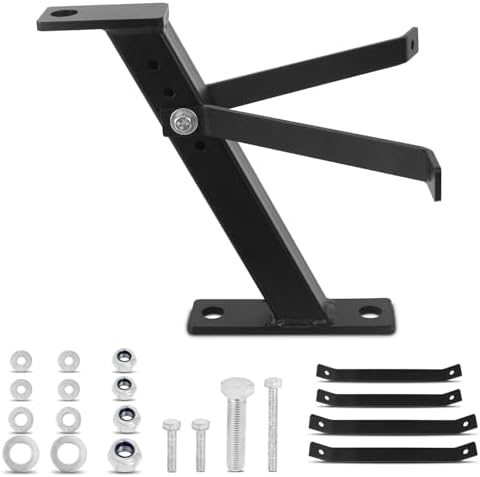
The trailer’s frame is responsible for supporting the load and maintaining structural integrity. Exposure to the elements can lead to rust and corrosion.
a. Rust Prevention and Treatment
Why it matters: Rust weakens the metal, compromising the trailer’s strength and potentially leading to failure. It also affects the trailer’s appearance.
How to do it:
- Regularly wash and dry your trailer, especially after use in wet or salty conditions.
- Inspect the frame for any signs of rust.
- For minor surface rust, use a wire brush to remove loose material. Then, clean the area and apply a rust-inhibiting primer followed by a coat of appropriate paint (e.g., enamel paint designed for metal).
- For more significant rust, you may need to use a rust converter or a more aggressive sanding method.
Frequency: Inspect the frame for rust monthly, and treat any findings promptly.
b. Checking for Loose Bolts and Welds
Why it matters: Vibrations during towing can loosen bolts and compromise welds, leading to instability and potential structural failure.
How to do it:
- Systematically go over all visible bolts on the trailer frame, fenders, hitch, and any other attached components. Tighten any loose ones.
- Visually inspect all weld points for cracks or signs of stress. If you notice any issues with welds, it’s best to consult a welding professional.
Frequency: Check all bolts and welds at least twice a year.
4. Hitch and Coupler: Connecting Safely

The hitch mechanism is your trailer’s critical connection to your mower. Ensuring it’s in good working order is non-negotiable for safety.
a. Lubrication of Moving Parts
Why it matters: A stiff or corroded hitch mechanism can be difficult to engage and disengage, and can lead to excessive wear.
How to do it:
- Apply a light coat of grease or a silicone-based lubricant to the coupler’s opening mechanism and any pivot points.
- Ensure the hitch pin (if applicable) moves freely. Lubricate it if necessary.
Frequency: Lubricate hitch components at least seasonally.
b. Inspection for Wear and Damage
Why it matters: A worn or damaged coupler can slip off the hitch ball, leading to a dangerous situation.
How to do it:
- Check the coupler jaws for any signs of deformation, cracks, or excessive wear.
- Ensure the locking mechanism (e.g., latch, clip) is functioning correctly.
- Inspect the hitch ball on your mower for any signs of damage or wear. The ball should be smooth and not show signs of flattening.
Frequency: Inspect the hitch and coupler before each significant use.
5. Lights and Reflectors (If Applicable): Visibility is Key

If your trailer has lights for visibility during operation or for transport on public roads, their functionality is crucial for safety.
a. Testing All Lights
Why it matters: Malfunctioning lights can lead to accidents, especially in low-light conditions or on public roads.
How to do it:
- Connect the trailer to your mower and test all lights: brake lights, turn signals, running lights, and hazard lights.
- If any lights are not working, check the bulbs for being burnt out and replace them.
- Inspect the wiring for any cuts, abrasions, or loose connections.
Frequency: Test lights before any towing, especially if towing on public roads.
b. Cleaning Reflectors
Why it matters: Dirty or obscured reflectors reduce your trailer’s visibility to other vehicles.
How to do it:
- Wipe down all reflectors with a damp cloth to remove dirt and grime.
Frequency: Clean reflectors during your regular trailer washing.
Advanced DIY: When to Consider More In-Depth Maintenance
While the above tasks cover most routine maintenance, there are times when a more in-depth approach is warranted. This might include:
1. Repacking Wheel Bearings
When: If you’ve detected play in your wheel bearings, heard grinding noises, or if the trailer has seen significant use and mileage. This is typically done every few years or based on mileage.
How: This involves removing the wheel, hub, and bearings, cleaning them thoroughly, inspecting for damage, and repacking them with fresh grease before reassembly. There are many excellent video tutorials available online that can guide you through this process. Safety is paramount during this procedure; ensure the trailer is securely supported on jack stands.
2. Replacing Damaged Fenders or Body Panels
When: If fenders are cracked, severely rusted, or damaged to the point where they no longer offer adequate protection or are a safety hazard.
How: Depending on the trailer’s construction, this can range from unbolting and replacing pre-fabricated panels to fabricating new ones. For many common utility trailers, replacement parts are readily available from manufacturers or aftermarket suppliers.
3. Addressing Axle Issues

When: If you notice bending in the axle, excessive wear on the axle ends, or if the trailer pulls to one side consistently despite proper tire inflation.
How: Replacing an axle is a more involved DIY task. It typically requires lifting the trailer significantly, removing the wheels, and unbolting the old axle. If you’re not experienced with suspension components, this is a job best left to a professional mechanic or trailer repair shop.
Tools of the Trade: What You’ll Need

To effectively perform DIY maintenance on your ride-on mower trailer, having the right tools at your disposal is crucial:
- Tire pressure gauge
- Air compressor or bicycle pump
- Grease gun and appropriate wheel bearing grease
- Wire brush
- Sandpaper (various grits)
- Rust-inhibiting primer and metal paint
- Paintbrush or roller
- Socket wrench set and open-end wrenches
- Jack and jack stands (essential for safety)
- Wheel chocks
- Work gloves and safety glasses
Investing in quality tools will make the maintenance process more efficient and enjoyable.
Statistics and Trends in Trailer Maintenance
While specific statistics for ride-on mower trailer maintenance are scarce, general trends in the utility trailer industry highlight the importance of preventative care. According to industry reports, a significant percentage of trailer breakdowns are attributed to tire-related issues, including underinflation and wear. Similarly, neglecting lubrication of critical components like wheel bearings can lead to costly repairs. For example, a single wheel bearing replacement can range from $100 to $300 depending on the part and labor. By performing regular DIY maintenance, you can effectively avoid such expenses. Furthermore, the average lifespan of a well-maintained utility trailer can easily exceed 10-15 years, significantly longer than a neglected one.
A Well-Maintained Trailer is a Productive Trailer
Your ride-on mower trailer is a vital extension of your lawn care capabilities. By adopting a proactive approach to DIY maintenance, you can ensure its reliability, extend its lifespan, and enhance your overall productivity. From simple tire pressure checks to regular lubrication and structural inspections, each task contributes to the trailer’s longevity and your peace of mind. Remember, a little effort invested today will prevent significant headaches and expenses down the road. So, grab your tools, dedicate some time to your trailer, and keep your lawn care companion in tip-top shape for years of efficient and enjoyable use.