When it comes to choosing the right step stool for your home or workplace, two primary materials often come to mind: wood and metal. Both options have their unique advantages and disadvantages, and understanding these can help you make an informed decision. This article will explore the characteristics, benefits, and drawbacks of wood and metal extra wide step stools, providing you with the insights needed to choose the best option for your specific needs.
Understanding Extra Wide Step Stools
Extra wide step stools are designed to provide stability and safety for users reaching high places. They have a broader base than standard step stools, which enhances their stability and balance. The choice of material plays a crucial role in their functionality, durability, and overall user experience.
Material Characteristics

Let’s delve into the characteristics of both wood and metal step stools, highlighting their key features and differences.
Wood Step Stools
- Aesthetic Appeal: Wood step stools offer a classic and warm look that can complement various home decors. They fit well in rustic or traditional settings.
- Weight: Generally, wood stools are heavier than metal stools, which can provide added stability but may make them less portable.
- Durability: High-quality hardwood can be very durable, but it is susceptible to scratches, dents, and moisture damage.
- Comfort: Wood surfaces are generally warmer to the touch, which can enhance user comfort during prolonged use.
- Eco-Friendliness: Wood is a renewable resource, and responsibly sourced wood can be an environmentally friendly option.
Metal Step Stools
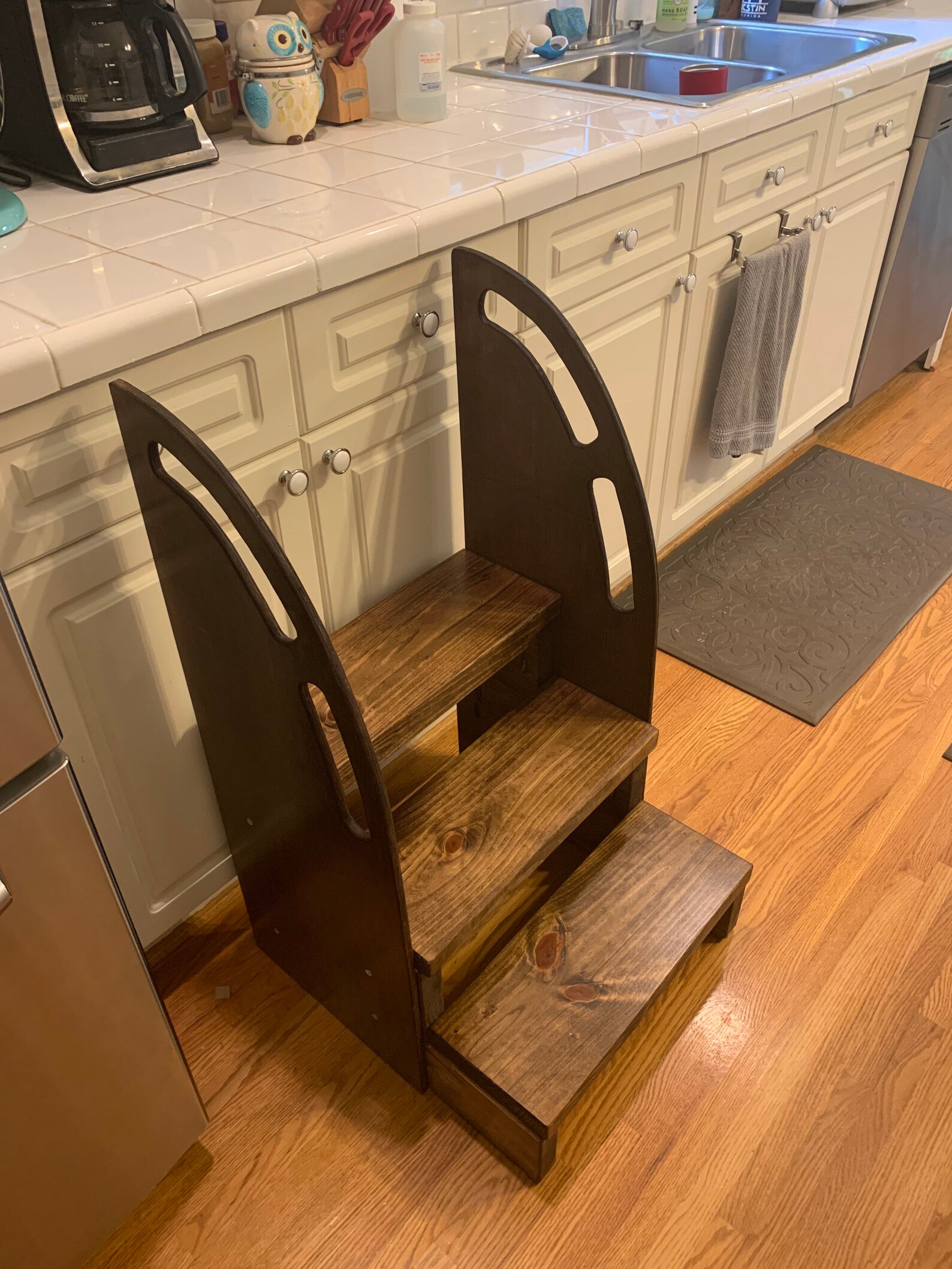
- Strength: Metal stools, especially those made from aluminum or stainless steel, are incredibly strong and can support heavier weights.
- Lightweight: Many metal stools are lighter than their wooden counterparts, making them easier to move around.
- Weather Resistance: Metal stools can resist moisture and are less likely to warp or rot, making them ideal for outdoor use.
- Maintenance: Metal surfaces are generally easier to clean and maintain than wood, which may require periodic refinishing.
- Modern Look: Metal stools often feature a sleek and modern design, appealing to contemporary aesthetics.
Safety Considerations

Safety is an essential factor when choosing a step stool. Both wood and metal stools can be safe when used appropriately, but they have different safety features.
Wood Step Stools Safety Features
- Stable Base: The wider base of wood stools can provide excellent stability, reducing the risk of tipping.
- Non-Slip Surfaces: Many wooden stools come with non-slip treads or coated surfaces to prevent slips.
- Natural Grip: Wood offers a natural grip, which can be beneficial in preventing slips when the user is climbing or standing on the stool.
Metal Step Stools Safety Features
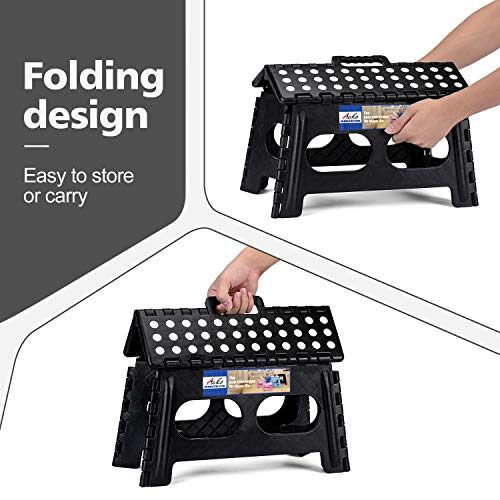
- Anti-Slip Feet: Many metal stools are designed with rubberized feet that prevent slipping and sliding on smooth surfaces.
- Robust Construction: Metal stools are often engineered to withstand heavy use, making them less likely to fail under weight.
- Foldable Options: Many metal stools are designed to be foldable, making storage easy while maintaining safety and stability when in use.
Durability and Longevity

Durability is crucial for any step stool, especially in high-traffic areas or professional settings. Let’s compare how wood and metal fare in this regard.
Wood Durability
Wood can be very durable, particularly if constructed from hardwoods like oak or maple. However, several factors can impact its longevity:
- Exposure to Moisture: Wood can warp or rot if exposed to moisture over time.
- Scratches and Dents: Wooden surfaces are prone to scratches and dents, particularly in high-use environments.
- Maintenance Needs: Wooden stools may require periodic maintenance, such as sanding and refinishing, to keep them looking good.
Metal Durability
Metal stools generally excel in durability:
- Corrosion Resistance: Stainless steel or aluminum can resist corrosion and rust, making them suitable for outdoor use.
- Impact Resistance: Metal is less likely to suffer from impact damage compared to wood.
- Minimal Maintenance: Metal surfaces usually need less maintenance, which adds to their longevity.
Cost Considerations
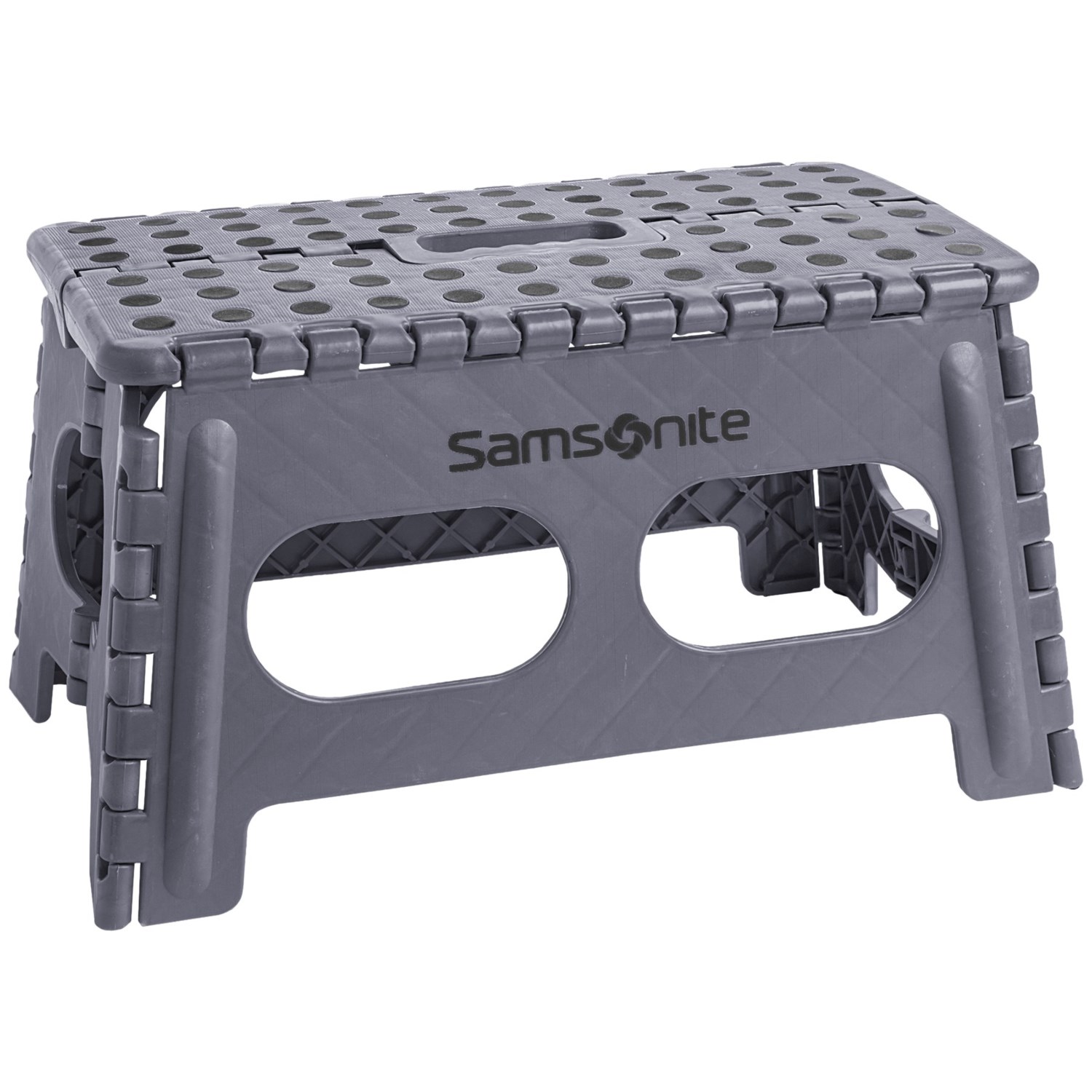
Cost is another essential factor to consider when choosing between wood and metal step stools. Generally, the price can vary significantly based on the quality and brand.
Wood Step Stool Costs
- Affordable Options: Basic wooden stools can be quite affordable, often ranging from $30 to $100.
- High-End Models: High-quality hardwood stools can cost significantly more, with prices ranging from $100 to $300.
- Resale Value: Wood furniture can have good resale value if well-maintained, making it a potential investment.
Metal Step Stool Costs
- Budget-Friendly Choices: Metal stools are also available in a wide price range, often starting around $25.
- Professional-Grade Options: High-quality metal stools designed for heavy-duty use can cost anywhere from $100 to $200.
- Longevity Savings: Given their durability, metal stools may save you money in the long run due to lower maintenance costs.
Case Studies and Real-World Examples
To further illustrate the differences between wood and metal step stools, let’s look at a couple of case studies.
Case Study 1: Home Use
In a recent home improvement project, a family opted for a wooden step stool due to its aesthetic appeal. Their choice was influenced by the warm tones of wood, which matched their decor. However, after a few months, they noticed that the stool had developed scratches and was starting to warp due to humidity in the kitchen.
Case Study 2: Professional Use
Conversely, a local construction company decided to invest in metal step stools for their job sites. They preferred the lightweight and durable nature of metal, which allowed for easy transport. The company reported that after a year of heavy use, the metal stools showed minimal signs of wear and tear, proving to be a cost-effective choice in the long run.
Conclusion: Making the Right Choice
Choosing between wood and metal extra wide step stools ultimately depends on your specific needs and preferences. If you value aesthetics and warmth in your home, a wooden stool may be the right choice for you, keeping in mind the need for maintenance and potential exposure to moisture. On the other hand, if you require a sturdy, lightweight option with minimal maintenance that can withstand heavy use, a metal step stool may be the better investment.
In summary, consider the following factors when making your choice:
- Intended use (home vs. professional)
- Weight capacity requirements
- Aesthetic preferences
- Maintenance willingness
- Budget constraints
By evaluating these aspects, you can confidently select the step stool that best meets your needs, ensuring safety, durability, and style in your home or workspace.