The allure of an 85-inch television is undeniable. It promises an immersive cinematic experience, transforming your living room into a personal multiplex. As the market for ultra-large displays continues to expand, consumers are faced with a dizzying array of options. Among these titans of the screen, Sharp has consistently offered compelling propositions. But in a landscape dominated by behemoths from Samsung, LG, and Sony, is a Sharp 85-inch TV a worthy investment? This article delves deep into the world of large-format televisions, focusing on the Sharp offering to help you make an informed decision.
The Rise of the Mega-Screen: Why 85 Inches and Beyond?
The trend towards larger television screens isn’t a fleeting fad; it’s a fundamental shift in how we consume entertainment. Several factors contribute to this phenomenon:
- Cinematic Immersion: A larger screen simply provides a more enveloping viewing experience, drawing you deeper into movies, sports, and games. The sense of scale and detail is amplified, mimicking the feeling of being at the cinema.
- Technological Advancements: As display technology has improved, the limitations of larger screens have diminished. Higher resolutions (4K and 8K), enhanced color reproduction, and superior brightness allow for stunning visuals even on massive panels.
- Improving Affordability: While still a premium purchase, the cost per inch of large-screen TVs has steadily decreased, making them more accessible to a wider audience.
- Smart Home Integration: Larger TVs often come equipped with advanced smart features, acting as central hubs for connected homes, offering seamless streaming, gaming, and control of other smart devices.
The 85-inch mark represents a sweet spot for many, offering a significant upgrade in immersion without requiring a dedicated home theater room for optimal viewing distance. For a typical living room with a viewing distance of around 8-12 feet, an 85-inch TV provides a truly impactful visual presence.
Sharp’s Ambition in the Large-Format Arena

Sharp has a long history in the television industry, and their foray into the 85-inch segment aims to capture a share of this burgeoning market. They often position themselves as offering a strong balance of features, performance, and value, aiming to compete with the established premium brands without necessarily matching their highest price tags.
When considering a Sharp 85-inch TV, it’s crucial to understand their typical product philosophy. They often leverage their expertise in panel manufacturing to deliver good core picture quality, focusing on bright displays and decent color accuracy. However, in the ultra-premium segment, competitors might offer more advanced processing, superior local dimming capabilities for deeper blacks, and more nuanced motion handling.
Comparing the Titans: Sharp vs. the Competition
To determine if a Sharp 85-inch TV is a worthwhile investment, we must compare it against its key rivals. Let’s consider the typical strengths and weaknesses of 85-inch offerings from major players:
Picture Quality: A Multifaceted Battleground

This is arguably the most critical aspect of any TV, and at 85 inches, imperfections are amplified. Key metrics include:
- Resolution: Most 85-inch TVs today are 4K UHD, offering ample detail. 8K options are emerging but come with a significant price premium and limited native content.
- Brightness and HDR Performance: Higher peak brightness is crucial for impactful HDR (High Dynamic Range) content, making highlights pop and colors more vibrant.
- Contrast and Black Levels: Deeper blacks and higher contrast ratios contribute significantly to image depth and realism. This is where technologies like Mini-LED and OLED excel, though OLED is still rare in the 85-inch size from most brands due to manufacturing complexities and cost.
- Color Accuracy and Gamut: The ability to reproduce a wide spectrum of colors accurately is vital for lifelike imagery.
- Motion Handling: Smoothness in fast-moving scenes is essential for sports and action movies, minimizing blur and judder.
Sharp typically delivers respectable brightness and good color reproduction for its price point. However, competitors like Samsung’s QLED models, with their quantum dot technology, often achieve superior color volume and brightness. LG’s OLED offerings, if available in 85-inch at a competitive price, would offer unparalleled black levels and contrast due to their self-emissive pixels.
Case Study Example: HDR Content on a Sharp vs. a Premium Competitor
Imagine watching a nature documentary with vibrant sunsets. On a well-calibrated Sharp TV, the colors will be pleasing and the overall image bright. However, on a premium 85-inch TV with Mini-LED backlighting and advanced local dimming, the difference in the intensity of the sunset’s glow, the subtle nuances in the sky’s gradients, and the depth of the shadows in the foreground would likely be more pronounced. The peak brightness of the premium set allows for a more impactful HDR experience, making the light sources truly shine.
Smart TV Platform and Features: The Brains of the Operation
A great picture is only part of the equation. The user interface and smart features play a significant role in daily usability.
- Operating System: Sharp often uses Android TV or a proprietary smart platform. Android TV offers a vast app ecosystem and familiar interface for many. Competitors like Samsung have their Tizen OS, and LG uses webOS, both of which are generally considered user-friendly and well-integrated.
- App Availability: Ensure your preferred streaming services are readily available. Most major platforms are supported across the board.
- Voice Control and Smart Home Integration: Compatibility with Google Assistant, Alexa, or Apple HomeKit is increasingly important.
- Gaming Features: For gamers, features like low input lag, Variable Refresh Rate (VRR), and Auto Low Latency Mode (ALLM) are crucial.
Sharp’s Android TV implementation is generally robust, but the speed and responsiveness of the interface can sometimes lag behind the more optimized proprietary systems of LG and Samsung, especially on their higher-end models.
Design and Build Quality: More Than Just a Pretty Picture

At 85 inches, a TV is a statement piece. Its physical presence matters.
- Bezel Size: Slim bezels create a more modern and immersive look, allowing the picture to dominate the screen.
- Stand Design: The stability and aesthetic of the stand are important, especially for such a large and heavy television.
- Build Materials: Premium TVs often use more robust materials, contributing to a more solid and refined feel.
Sharp TVs typically offer functional and clean designs, but they might not always reach the same level of aesthetic sophistication or premium materials found in the flagship models from LG or Samsung.
The Value Proposition: Is Sharp the Smarter Buy?

Here’s where the comparison often crystallizes for consumers. Sharp frequently aims to offer a compelling price-to-performance ratio.
- Price: The most significant differentiator. An 85-inch Sharp TV will almost invariably be less expensive than a similarly sized flagship model from Samsung, LG, or Sony.
- Features vs. Price: You’ll need to ask yourself which features are non-negotiable. If top-tier picture processing, bleeding-edge HDR performance, and the absolute best black levels are paramount, you might need to stretch your budget.
- Longevity and Reliability: While anecdotal, consider the long-term reliability of brands. All major manufacturers offer warranties, but individual experiences can vary.
Statistics to Consider: While specific pricing fluctuates, a quick market scan often reveals that 85-inch 4K TVs from premium brands can range from $2,500 to $5,000+, whereas comparable Sharp models might be found in the $1,500 to $2,500 range. This price gap is substantial and can be a deciding factor for many.
Who is a Sharp 85-inch TV Best For?

A Sharp 85-inch TV is an excellent option for individuals or families who:
- Are looking for a significant upgrade in screen size and immersion without breaking the bank.
- Prioritize a large, bright display for general viewing of movies, TV shows, and sports.
- Are comfortable with a good, but not necessarily industry-leading, picture quality.
- Appreciate the vast app ecosystem of Android TV.
- Are budget-conscious but still want a truly impressive home entertainment centerpiece.
It might be less ideal for:
- Hardcore cinephiles who demand absolute perfection in black levels and contrast.
- Competitive gamers who require the absolute lowest input lag and highest refresh rates available.
- Those who prioritize cutting-edge, niche features over core performance and value.
The Verdict on the Sharp 85-Inch Investment
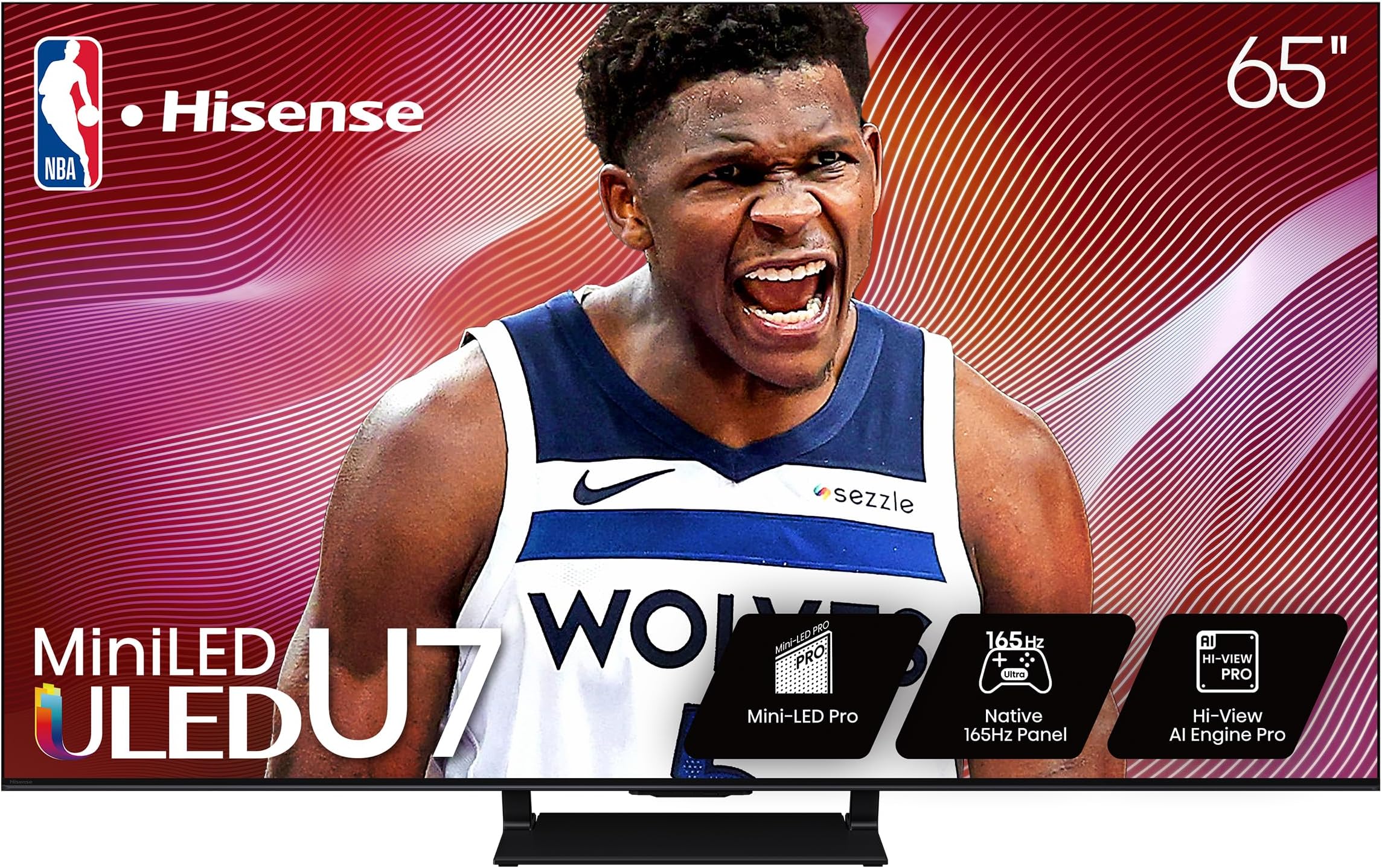
The question of whether a Sharp 85-inch TV is worth your investment boils down to a careful consideration of your priorities and budget. Sharp consistently offers a strong value proposition in the large-screen television market. Their 85-inch models provide a genuinely immersive viewing experience, boasting good brightness, decent color reproduction, and the versatile functionality of Android TV. For many consumers, the significant cost savings compared to premium competitors will be a deciding factor, and they will be more than satisfied with the overall performance.
However, it’s essential to acknowledge that the absolute pinnacle of picture quality, particularly in terms of contrast, black levels, and advanced image processing, often resides with higher-priced offerings from brands like LG, Samsung, and Sony. If you’re a discerning videophile who demands the absolute best, and your budget allows, you might find those incremental improvements to be worth the extra expenditure. But for the vast majority of viewers seeking to elevate their home entertainment with a colossal display that delivers a fantastic experience without an exorbitant price tag, a Sharp 85-inch TV represents a very smart and worthwhile investment.