Horse head figurines, exquisite in their detail and craftsmanship, have captivated collectors and art enthusiasts for centuries. These sculptures not only represent the beauty and grace of horses but also embody the skill and artistry of their creators. In this article, we will explore the history, techniques, and cultural significance of horse head figurines, while highlighting the craftsmanship that brings these stunning pieces to life.
The Historical Significance of Horse Head Figurines

Horse head figurines have a rich history that can be traced back to ancient civilizations. From the majestic sculptures of ancient Greece to the delicate porcelain pieces of the 18th century, these figurines have been a medium for artistic expression and cultural storytelling.
- Ancient Greece: The Greeks revered horses, often depicting them in art and mythology. Figurines were crafted from various materials, including clay and bronze, showcasing the horse’s role in warfare and athletic competitions.
- Chinese Dynasty: During the Han Dynasty (206 BCE – 220 CE), horse figurines were made to honor the beasts that played crucial roles in transportation and warfare. These pieces were often intricately designed and served as symbols of power and status.
- 18th Century Europe: The production of porcelain horse head figurines reached its peak in Europe, with renowned manufacturers such as Meissen and Sèvres creating highly sought-after pieces. These figurines often adorned the homes of the aristocracy, symbolizing wealth and sophistication.
Materials and Techniques in Crafting Horse Head Figurines

The process of creating horse head figurines is as varied as the cultures that produce them. Different materials and techniques result in distinct styles and appearances. Here are some of the most common materials used in crafting these elegant pieces:
- Clay: Often used in traditional pottery, clay allows for detailed sculpting. Artists can manipulate the material to achieve lifelike expressions and features.
- Bronze: This metal has been used for centuries to create durable and timeless sculptures. Bronze horse head figurines often feature intricate details and can be cast using the lost-wax method, allowing for high levels of accuracy.
- Porcelain: Known for its delicate nature and fine finish, porcelain figurines often display intricate hand-painted details. This material became popular in Europe during the 18th century and remains a favorite among collectors.
- Wood: Wooden horse head figurines can showcase a rustic charm. The natural grain of the wood adds uniqueness, and skilled artisans can carve detailed designs that highlight the horse’s anatomy.
The Craftsmanship Behind Horse Head Figurines
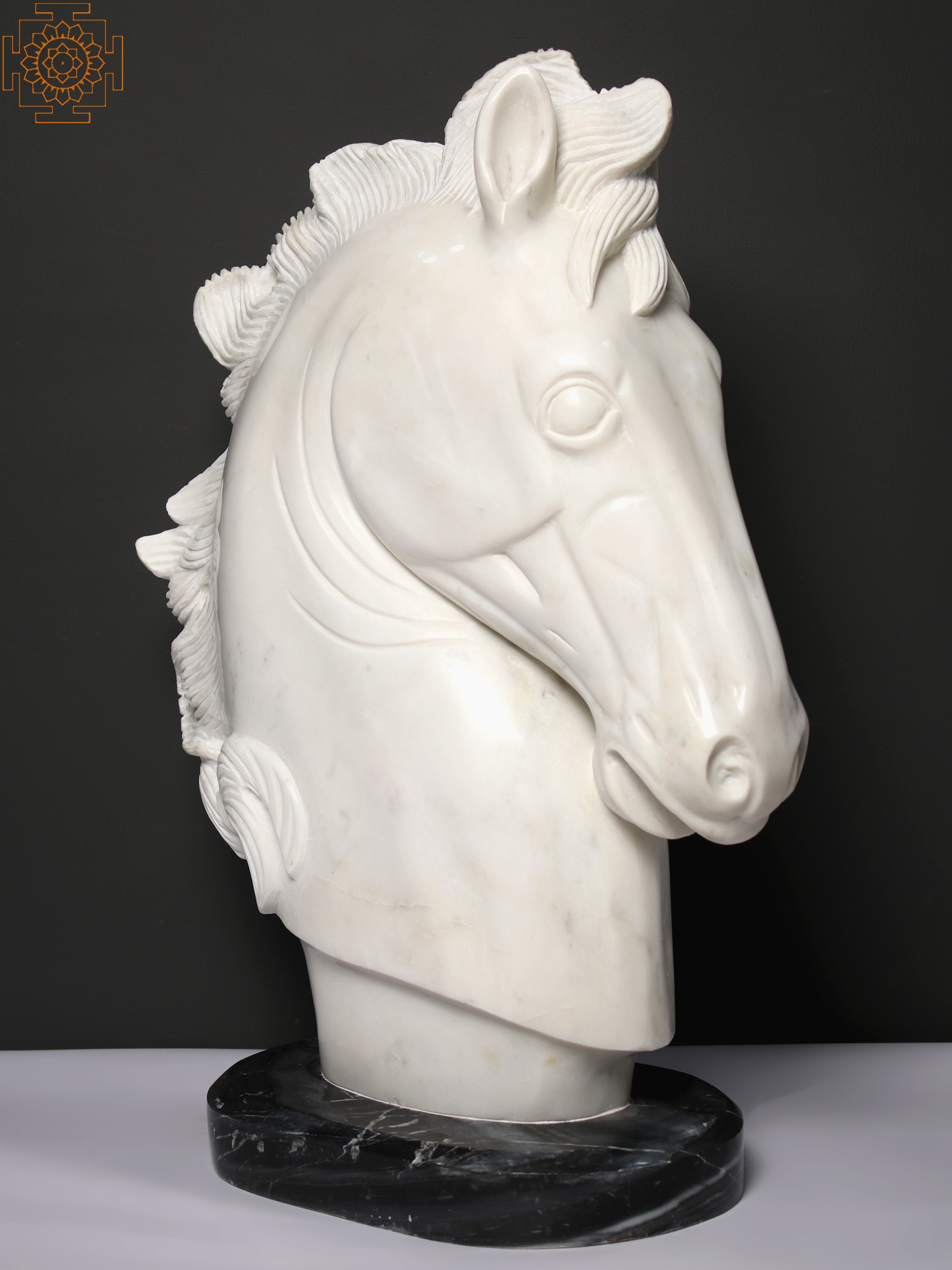
The artistry involved in creating horse head figurines lies not just in the materials used but also in the craftsmanship techniques employed. Skilled artisans dedicate years to perfecting their craft, and several techniques stand out in the creation of these figurines:
- Hand-Sculpting: Many artisans prefer to hand-sculpt their horse head figurines, allowing for unique and personalized features. This method gives each piece its individual character and charm.
- Modeling and Molding: For mass production, artists often create a master model that is then used to produce molds. This technique allows for the replication of intricate details while maintaining quality across multiple pieces.
- Painting and Finishing: The finishing touches, such as painting and glazing, play a critical role in the final appearance of the figurine. Artisans often apply multiple layers of paint or glaze to achieve depth and richness in color.
Case Studies of Renowned Horse Head Figurine Artists
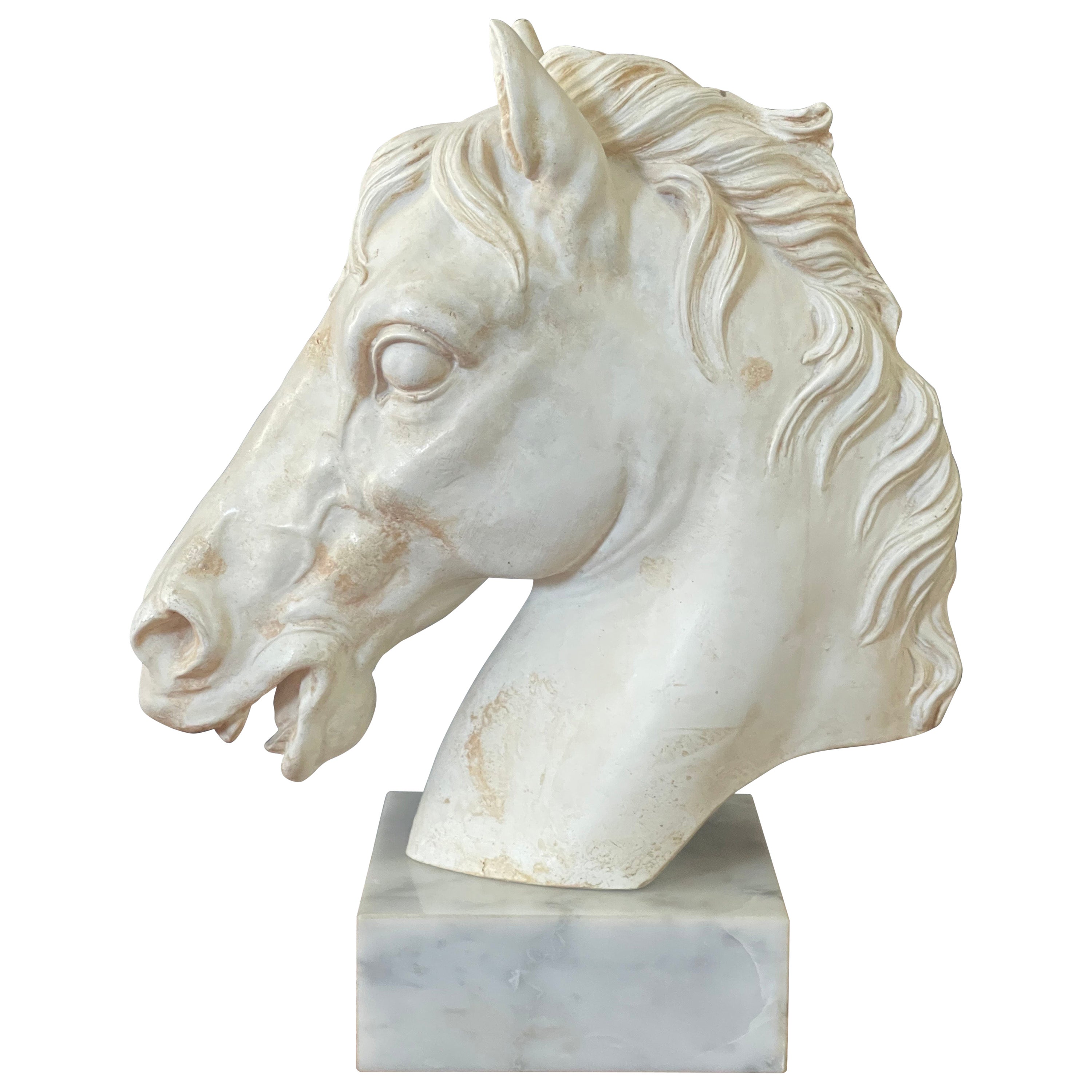
Several artists and manufacturers have made significant contributions to the world of horse head figurines. Their innovative techniques and unique styles have set benchmarks in the art form. Here are a few notable examples:
1. Franz Bergmann
Franz Bergmann, an Austrian artist, is renowned for his bronze horse head figurines created during the late 19th and early 20th centuries. His use of the lost-wax casting method allowed him to produce highly detailed pieces that captured the essence of the horse. Bergmann’s work is celebrated for its intricate craftsmanship and artistic expression.
2. The Royal Worcester Porcelain Company
Founded in 1751, the Royal Worcester Porcelain Company has produced some of the finest porcelain horse head figurines. Their skilled artisans have created an array of horse-themed pieces characterized by vibrant colors and delicate detailing. The use of high-quality porcelain ensures that each figurine is not only beautiful but also durable.
3. Barbara O’Brien
Barbara O’Brien is a contemporary artist known for her ceramic horse head sculptures. Her work often explores the relationship between humans and horses, with an emphasis on movement and emotion. O’Brien’s pieces are celebrated for their modern interpretations while still honoring traditional craftsmanship techniques.
The Cultural Impact of Horse Head Figurines
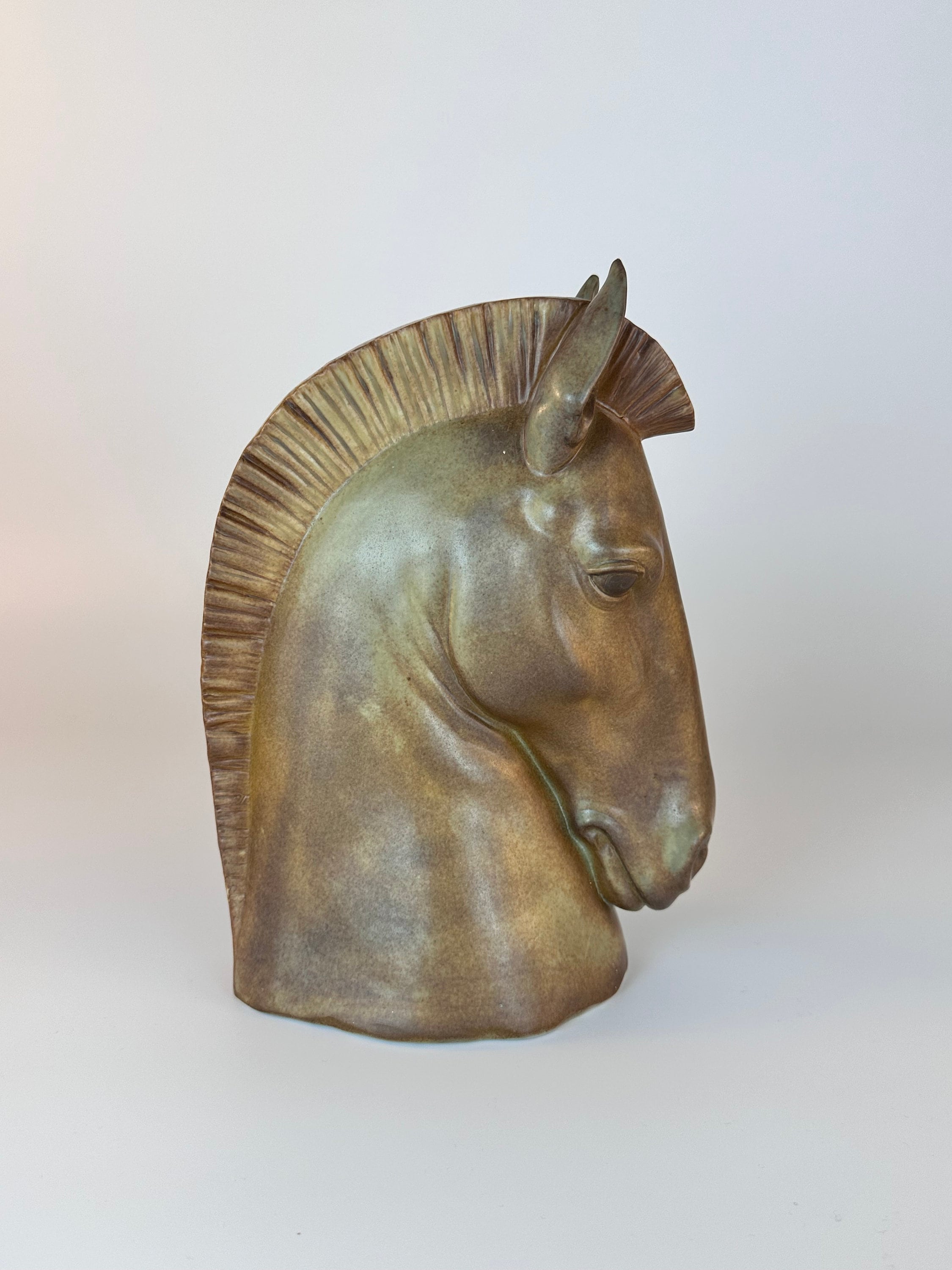
Horse head figurines hold significant cultural meaning across various societies. They are often associated with themes of power, nobility, and freedom. Here are some cultural aspects related to these sculptures:
- Symbol of Status: In many cultures, horses represent wealth and status. Horse head figurines are often displayed in homes as a sign of affluence and sophistication.
- Artistic Expression: These figurines are not only decorative items but also serve as canvases for artists to express their creativity and technical skills.
- Connection to Nature: Horses are often seen as symbols of the natural world, embodying strength and grace. Figurines celebrate this connection, reminding people of the beauty of nature.
The Collectibility of Horse Head Figurines

The market for horse head figurines continues to thrive, with collectors ranging from casual enthusiasts to serious investors. As with any collectible, several factors influence value:
- Rarity: Limited edition pieces or those created by renowned artists typically command higher prices.
- Condition: The state of the figurine significantly impacts its value. Pieces that are well-preserved and free of damage are highly sought after.
- Provenance: Documentation of a piece’s history, including previous ownership and exhibition, can enhance its value.
Horse head figurines are more than just decorative objects; they are a testament to the artistry and craftsmanship that have evolved over centuries. From their historical significance to the intricate techniques used in their creation, these pieces capture the elegance and beauty of horses while reflecting the skill of their makers. As collectors continue to seek out these exquisite sculptures, the legacy of horse head figurines will undoubtedly endure, inspiring future generations of artists and enthusiasts alike.
By understanding the art behind these figurines, one gains a deeper appreciation for their cultural significance and the dedication involved in their craftsmanship. Whether as a collector’s item or a symbol of beauty, horse head figurines are a remarkable fusion of art and history.