Playgrounds serve as vital spaces for children’s growth and development, providing opportunities for physical activity, social interaction, and imaginative play. However, many traditional playgrounds are often characterized by hard surfaces and artificial materials, which can detract from the natural environment. Incorporating plants and natural elements in playground borders not only enhances the aesthetic appeal but also offers numerous benefits for children’s health, creativity, and connection to nature. This article explores the importance of integrating natural elements in playground designs, provides examples of successful implementations, and discusses the myriad advantages such a design can offer.
The Importance of Natural Play Spaces

In recent years, there has been a growing recognition of the importance of nature in children’s play environments. Research indicates that natural play spaces can stimulate creativity, promote physical activity, and improve mental well-being. Here are some key reasons why incorporating nature in playground borders is essential:
- Encourages Imagination: Natural environments offer diverse textures, colors, and shapes that can inspire imaginative play. Children can create their own narratives and experiences with the elements around them.
- Promotes Physical Activity: Natural elements like logs, rocks, and plants can create a more dynamic play area that encourages climbing, running, and exploring, leading to increased physical activity.
- Enhances Learning Opportunities: Nature provides a unique context for experiential learning, allowing children to observe wildlife, learn about ecosystems, and develop an appreciation for the environment.
- Supports Mental Health: Studies have shown that spending time in green spaces can reduce stress, anxiety, and depression. Incorporating nature in playgrounds can foster a calming atmosphere for children.
Successful Case Studies of Natural Playgrounds
Several successful case studies demonstrate how integrating plants and natural elements in playground borders can transform traditional play areas into vibrant, engaging environments. Here are a few noteworthy examples:
1. The Nature Play Space at the San Francisco Botanical Garden
Located within the city’s renowned botanical gardens, this play space emphasizes natural materials and sensory experiences. The playground features:
- Native plants that attract local wildlife.
- Natural climbing structures made from logs and boulders.
- A water play area that uses recycled rainwater for interactive experiences.
Children engage with the environment, fostering a deep connection to nature while having fun.
2. The Adventure Playground in Brooklyn
This playground is designed to encourage free play and creativity. It incorporates:
- Loose parts like wood, tires, and ropes that children can use to build their own structures.
- Plants and trees that provide shade and a sense of adventure.
- A natural stream that adds an element of water play.
This approach has proven effective in promoting self-directed play and fostering problem-solving skills among children.
3. The Wildflower Park Playground in Melbourne, Australia
This innovative playground integrates a range of native plants and natural elements to create a unique play experience. Features include:
- Flowering plants that change with the seasons, providing constant novelty.
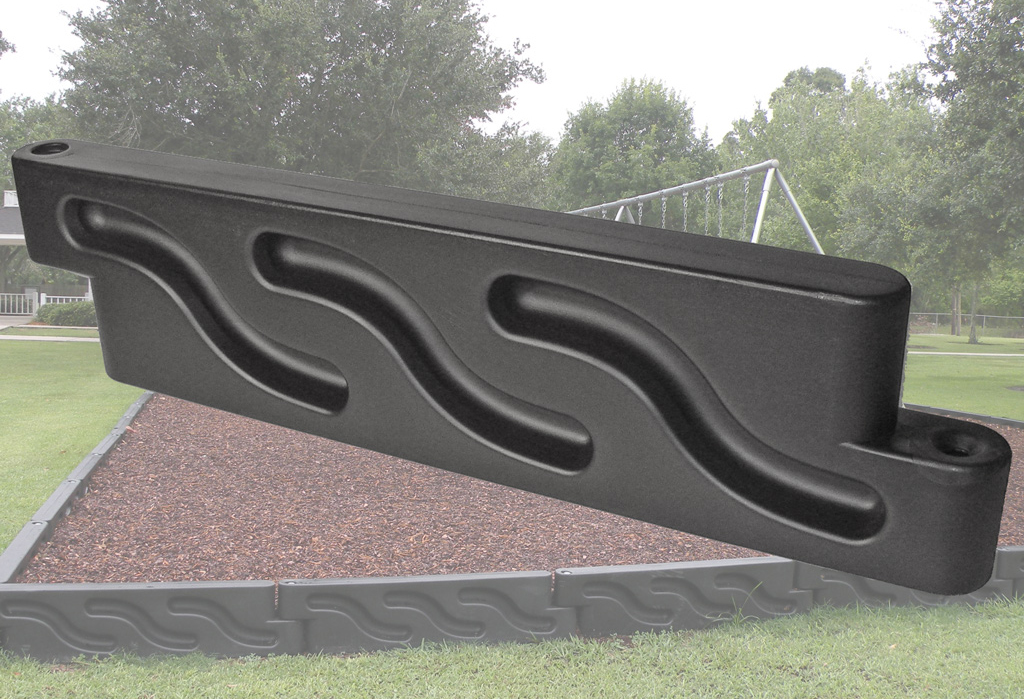
- Natural borders made of logs and stones that create safe boundaries for play.
- Sensory gardens that allow children to explore different textures and scents.
The park has become a community hub, encouraging families to spend time outdoors together.
Benefits of Using Plants and Natural Elements in Playground Borders

Incorporating nature into playground borders can yield a multitude of benefits, both for children and the surrounding community. Here are some key advantages:
1. Environmental Benefits
Using native plants in playground borders helps to:
- Enhance local biodiversity by providing habitats for wildlife.
- Improve air quality through the natural filtration provided by plants.
- Reduce stormwater runoff through the absorption capabilities of soil and vegetation.
2. Social Benefits

Natural playgrounds can foster community engagement by:
- Creating inviting spaces for families to gather and interact.
- Encouraging shared stewardship of local environments.
- Serving as venues for educational programs focused on ecology and conservation.
3. Health Benefits
Studies have shown that children who play in natural environments experience:
- Lower levels of stress and anxiety.
- Improved concentration and cognitive function.
- Increased physical activity levels, leading to better overall health.
Designing Effective Natural Playground Borders
When designing playground borders with plants and natural elements, several key considerations can enhance the effectiveness of the space:
- Choose Native Plants: Select plants that are native to the region to ensure they thrive and support local wildlife.
- Incorporate Diverse Textures: Use a variety of materials—such as stones, wood, and plants—to create an engaging sensory experience.
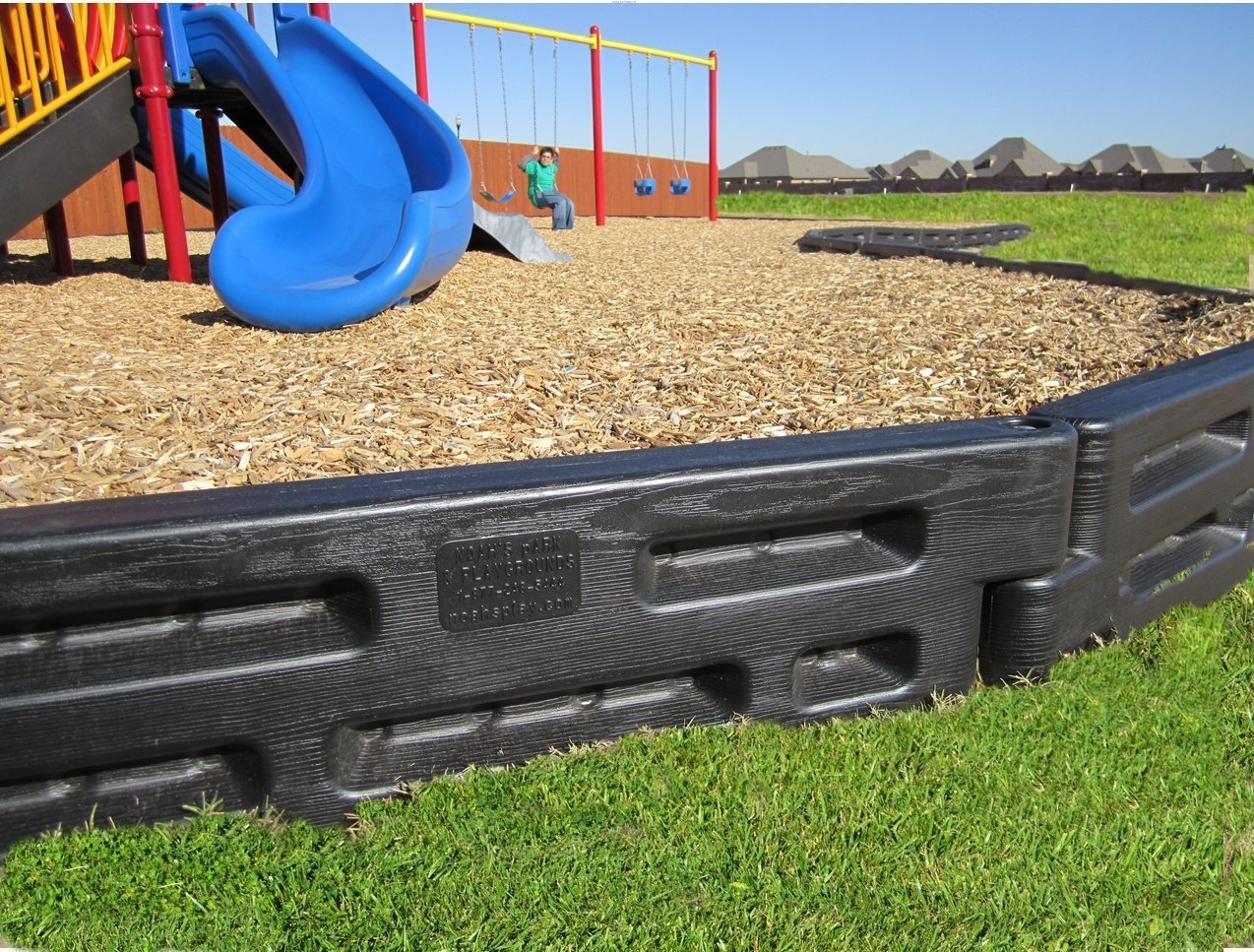
- Ensure Safety: Design borders that are safe for children, avoiding thorny plants and sharp materials while also providing soft landings.
- Facilitate Exploration: Create spaces that encourage children to explore, learn, and interact with their environment.
Incorporating nature into playground borders through the use of plants and natural elements is not just an aesthetic choice; it is an investment in children’s health, creativity, and connection to the environment. Successful case studies around the world illustrate the transformative potential of natural play spaces, highlighting the many benefits they offer—ranging from environmental sustainability to enhanced social interaction and improved mental well-being.
As communities increasingly recognize the importance of integrating nature into play spaces, the future of playground design looks promising. By prioritizing natural elements, we can create vibrant, engaging environments that nurture children’s development while fostering a deeper appreciation for the natural world. Ultimately, integrating nature in playground borders is a holistic approach that reaps rewards for children, families, and communities alike.