For artists, the work table is more than just a piece of furniture; it is a cornerstone of their creative process. The surface on which an artist creates can significantly influence their workflow, the quality of their work, and even their overall comfort. With numerous materials available, selecting the right surface can be daunting. This article will explore the various materials suitable for artist work tables, their benefits and drawbacks, and practical considerations for choosing the right one for your artistic needs.
Understanding the Importance of Work Table Surfaces
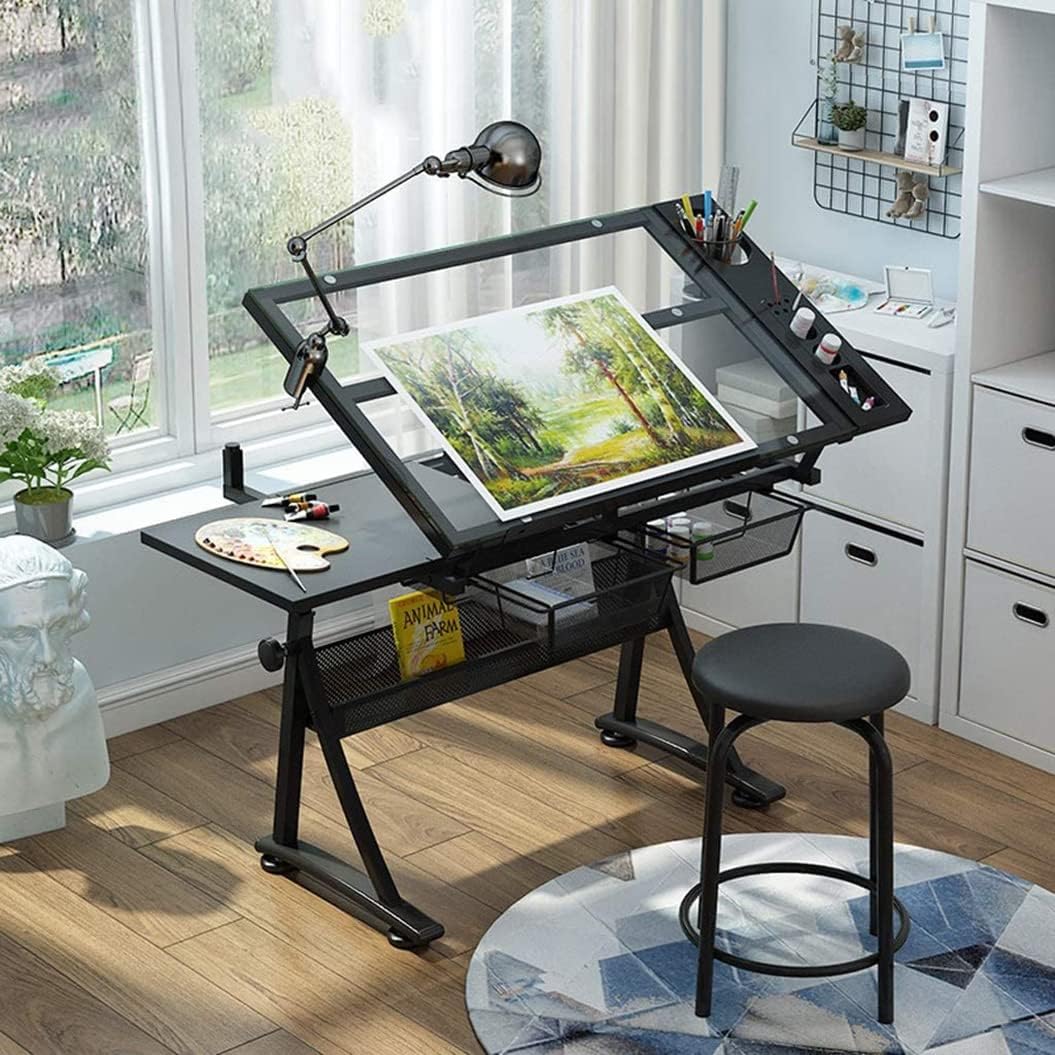
The surface of an artist’s work table plays a pivotal role in various aspects of the creative process, including:
- Durability: The material must withstand wear and tear from tools, paints, and other materials.
- Chemical Resistance: Some materials can be affected by solvents, paints, or adhesives.
- Surface Texture: The texture can affect the application of paints or other mediums.
- Maintenance: Some surfaces require more upkeep than others.
- Ergonomics: The height and feel of the surface can impact comfort and posture during long working hours.
Common Materials for Artist Work Tables

When considering the right surface for your artist work table, several materials are commonly used. Below, we discuss the most popular options, their characteristics, and which types of artists may benefit from them.
1. Wood
Wood is a classic choice for artist work tables. It offers a warm aesthetic and is available in various types and finishes.
- Pros:
- Natural feel and aesthetics.
- Durable and long-lasting when cared for.
- Easy to repair (sanding and refinishing).
- Cons:
- Can be susceptible to moisture damage.
- May require regular maintenance to prevent wear.
- Some woods can be expensive.
Wood is particularly favored by painters and traditional artists who appreciate its aesthetic qualities and workability. For instance, a beechwood surface is often recommended for its durability and resistance to warping.
2. Laminate
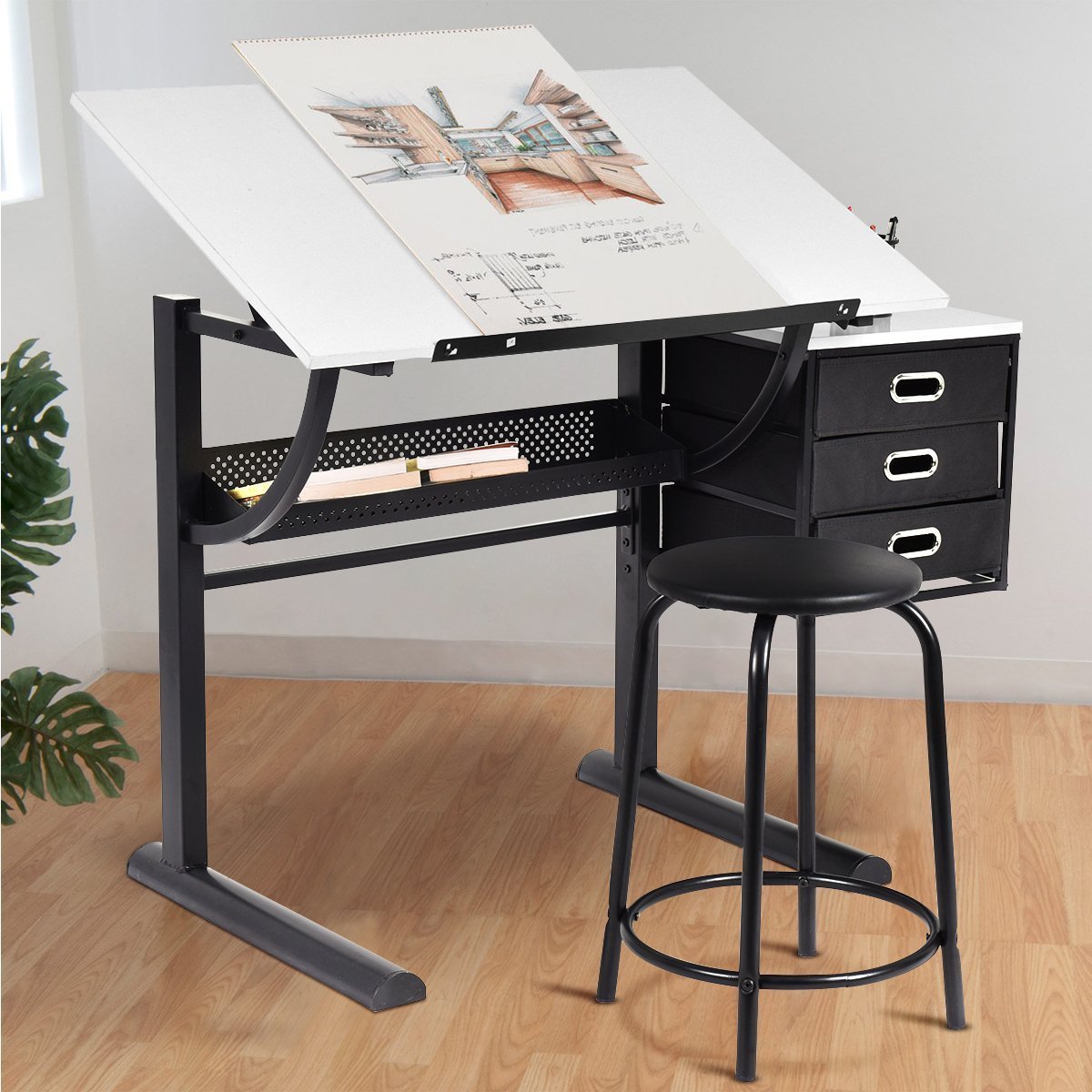
Laminate surfaces consist of a thin layer of plastic or resin over a wood base. They are popular for their affordability and variety of designs.
- Pros:
- Cost-effective and widely available.
- Resistant to stains and spills.
- Low maintenance.
- Cons:
- Less durable than solid wood.
- Can chip or peel over time.
- Less aesthetically pleasing compared to natural wood.
Laminate surfaces are ideal for mixed-media artists or those who frequently experiment with various materials due to their ease of cleaning and resistance to damage.
3. Glass
Glass surfaces provide a sleek and modern look. They are easy to clean and can add a touch of elegance to a workspace.
- Pros:
- Non-porous and easy to clean.
- Visually appealing, creating a bright workspace.
- Resistant to chemical damage from solvents and paints.
- Cons:
- Can be heavy and difficult to move.
- Risk of breaking or chipping.
- Can be slippery, making it challenging for certain techniques.
Glass surfaces are excellent for artists who often work with inks or watercolors, as they allow for easy cleanup and can be layered with paper or other materials during creation.
4. Steel and Metal

Metal surfaces are increasingly popular, especially in industrial or modern art settings. They offer a unique aesthetic and robust durability.
- Pros:
- Extremely durable and resistant to damage.
- Can withstand heavy tools and materials.
- Often includes magnetic surfaces for holding tools.
- Cons:
- Can be cold and uncomfortable to work on.
- May require special coatings to prevent rust.
- Limited warmth in appearance.
Metal surfaces cater well to sculptors and mixed-media artists who need a heavy-duty workspace that can handle various materials.
Case Studies: Artists and Their Surfaces
To provide further insight into the impact of table surfaces on artistic practice, let’s look at a couple of case studies featuring prominent artists.
Case Study 1: Marcia Lee
Marcia Lee, a painter based in California, primarily works with acrylics. She opted for a custom beechwood table after experimenting with laminate and glass surfaces. Marcia reported:
“The beechwood surface has not only improved my technique, but it also feels more connected to my art. I can sand it down when needed, and it holds up beautifully against heavy use.”
Case Study 2: Tom Chen

Tom Chen, an industrial designer, uses a steel work table in his studio. He explained how the table’s durability supports his creative process:
“I need a surface that can handle heavy tools and materials without damage. The steel table gives me that confidence, plus I love how modern it looks in my workspace.”
Practical Considerations for Choosing Your Surface

When it comes to selecting the right material for your artist work table, consider the following practical factors:
- Budget: Determine how much you are willing to invest in your work table surface.
- Space: Measure your workspace to ensure the chosen table fits comfortably.
- Art Medium: Consider the primary materials and techniques you work with.
- Future Needs: Think about your evolving artistic practice and whether the table will accommodate changes.
- Comfort: Ensure the height and feel of the surface suit your ergonomic needs.
Choosing the right surface for your artist work table is a decision that can greatly impact your creative process. Whether you opt for the warmth and durability of wood, the practicality of laminate, the elegance of glass, or the robustness of metal, each material has its unique advantages and challenges. By carefully considering your artistic needs, budget, and workspace, you can select the perfect surface that not only enhances your work but also inspires your creativity. Ultimately, the right work table surface will empower you to express your artistic vision more effectively, allowing your creativity to flourish.