In recent years, the debate over the ideal workspace has intensified, with many professionals seeking solutions that enhance productivity while promoting health. Among these solutions, standing desks have emerged as a popular choice, and when equipped with casters, they offer unparalleled flexibility. This article explores the myriad benefits of using a standing desk on casters, showcasing how this innovative furniture can transform workspaces into healthier, more dynamic environments.
Understanding the Rise of Standing Desks
Standing desks, also known as stand-up desks, have gained traction as a response to the increasing concerns surrounding sedentary lifestyles. According to the World Health Organization, physical inactivity is one of the leading risk factors for global mortality, contributing to conditions such as obesity, type 2 diabetes, and cardiovascular diseases. The rise of remote work and flexible working conditions has further fueled the demand for ergonomic solutions.
A report by the American Journal of Preventive Medicine found that using standing desks can help reduce sedentary time by approximately 1.5 to 2 hours a day. As professionals seek to incorporate more movement into their daily routines, standing desks on casters provide a perfect solution, combining the benefits of standing with the freedom of mobility.
The Health Benefits of Standing Desks
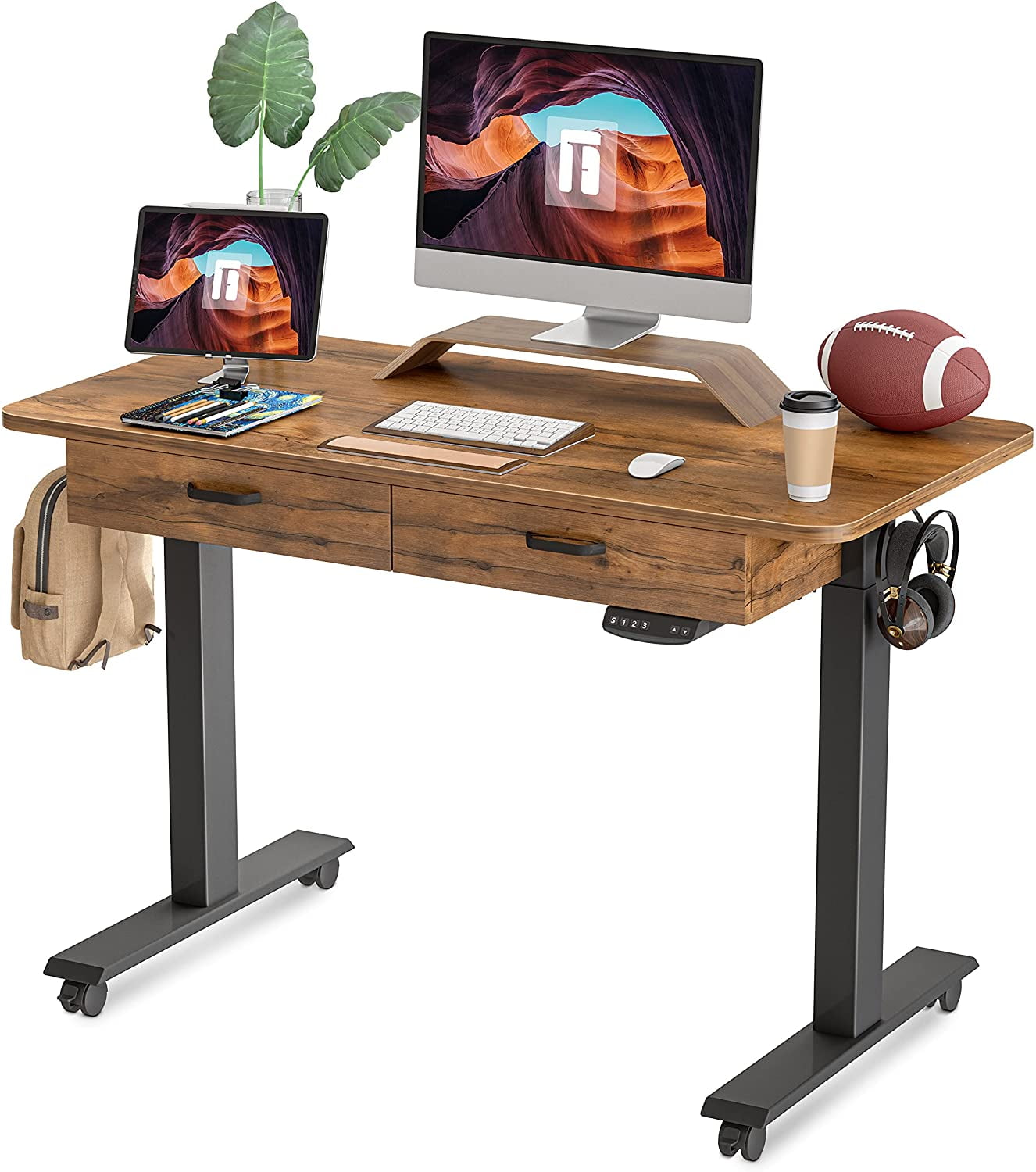
Switching from a traditional sitting desk to a standing desk can have significant health benefits. Here are some of the most compelling advantages:
- Reduced Risk of Chronic Diseases: Prolonged sitting has been linked to various chronic diseases, including obesity, diabetes, and heart disease. Standing desks can help mitigate these risks.
- Improved Posture: Standing encourages better posture, reducing the likelihood of back and neck pain. Proper alignment while standing can alleviate pressure on the spine.
- Increased Energy Levels: Users of standing desks often report higher energy levels and decreased feelings of fatigue compared to those who sit for prolonged periods.
- Enhanced Mood and Productivity: Research has shown that standing while working can lead to improved mood and higher productivity levels. A study from the University of Queensland found that standing desk users reported a 45% increase in productivity over time.
Flexibility and Mobility: The Case for Casters
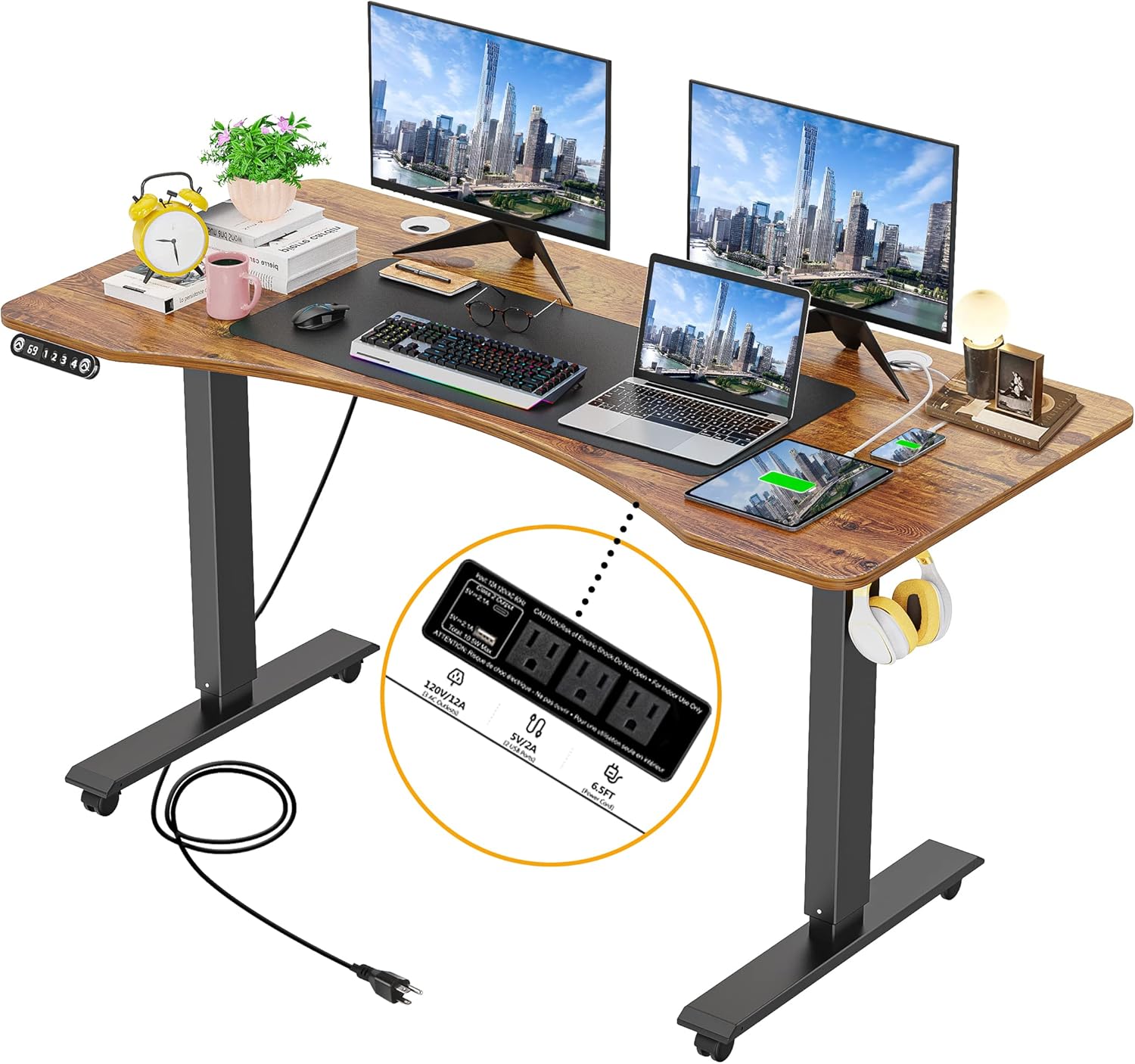
One of the standout features of standing desks on casters is their mobility. These desks can be easily moved from one part of the office to another, offering several advantages:
- Dynamic Workspaces: With a mobile standing desk, employees can change their workspace as needed, fostering collaboration and creativity. Moving to a different area can stimulate fresh ideas and interactions.
- Adaptability to Various Tasks: Different tasks may require different setups. A standing desk on casters can be repositioned to accommodate meetings, brainstorming sessions, or focused individual work.
- Space Optimization: In smaller offices or shared spaces, casters allow for easy reconfiguration of the layout, maximizing space and enhancing comfort.
Case Studies: Real-World Applications
To illustrate the effectiveness of standing desks on casters, consider the following case studies:
Case Study 1: Tech Start-Up
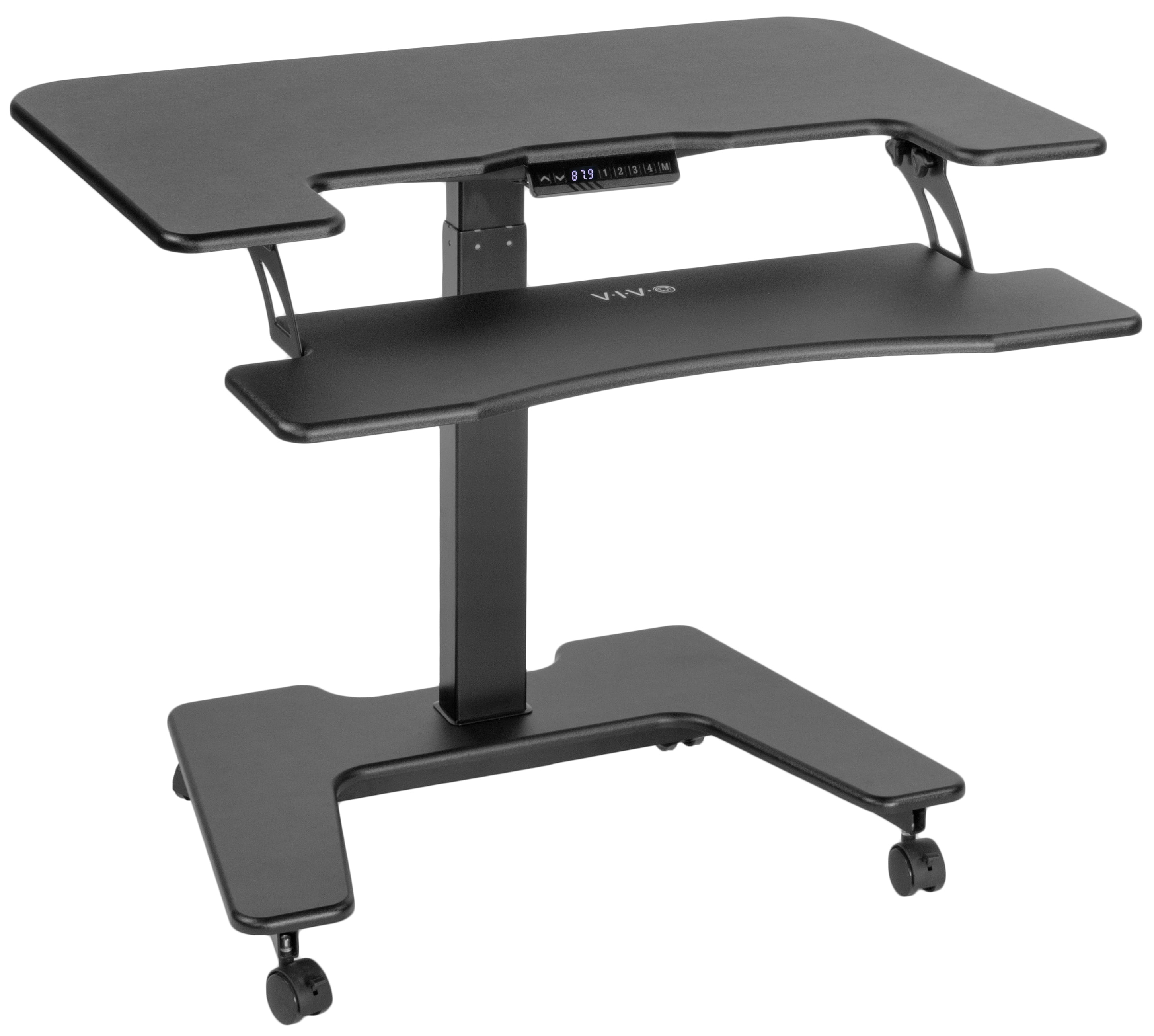
A tech start-up in San Francisco implemented standing desks on casters for its team of software developers. Within three months, the company reported:
- A 25% decrease in reports of back pain among employees.
- A 30% increase in overall team productivity, attributed to improved collaboration and flexibility.
- Higher employee satisfaction ratings in workplace surveys.
Case Study 2: Educational Institution
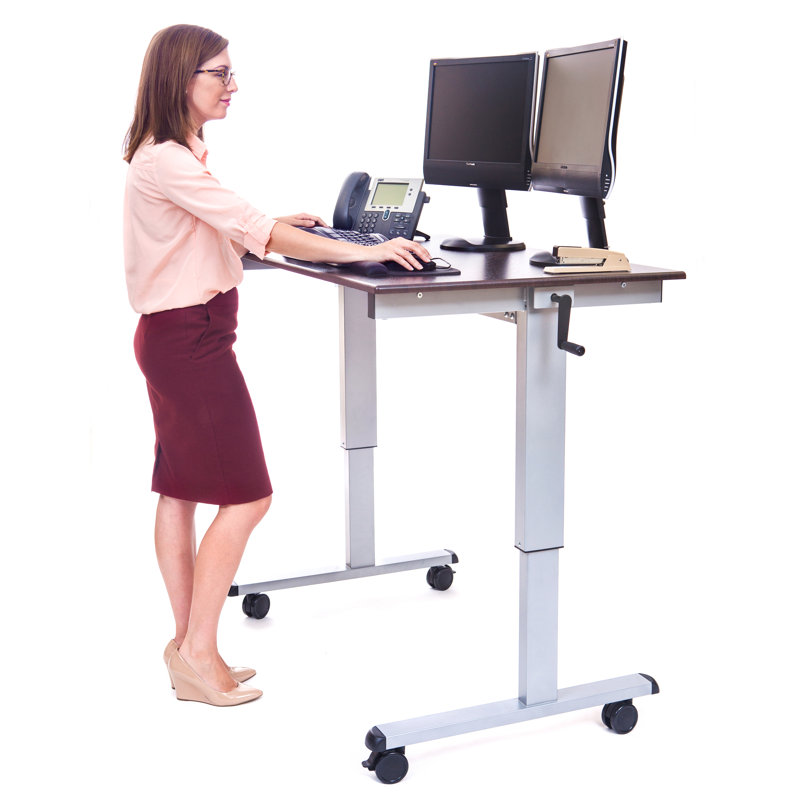
A university adopted mobile standing desks for their faculty offices and communal workspaces. The results showed:
- A noticeable increase in student-faculty interactions, as faculty could easily move their desks to engage with students.
- A 20% improvement in student engagement during lectures when faculty utilized mobile desks for dynamic teaching approaches.
Ergonomic Considerations for Mobile Standing Desks
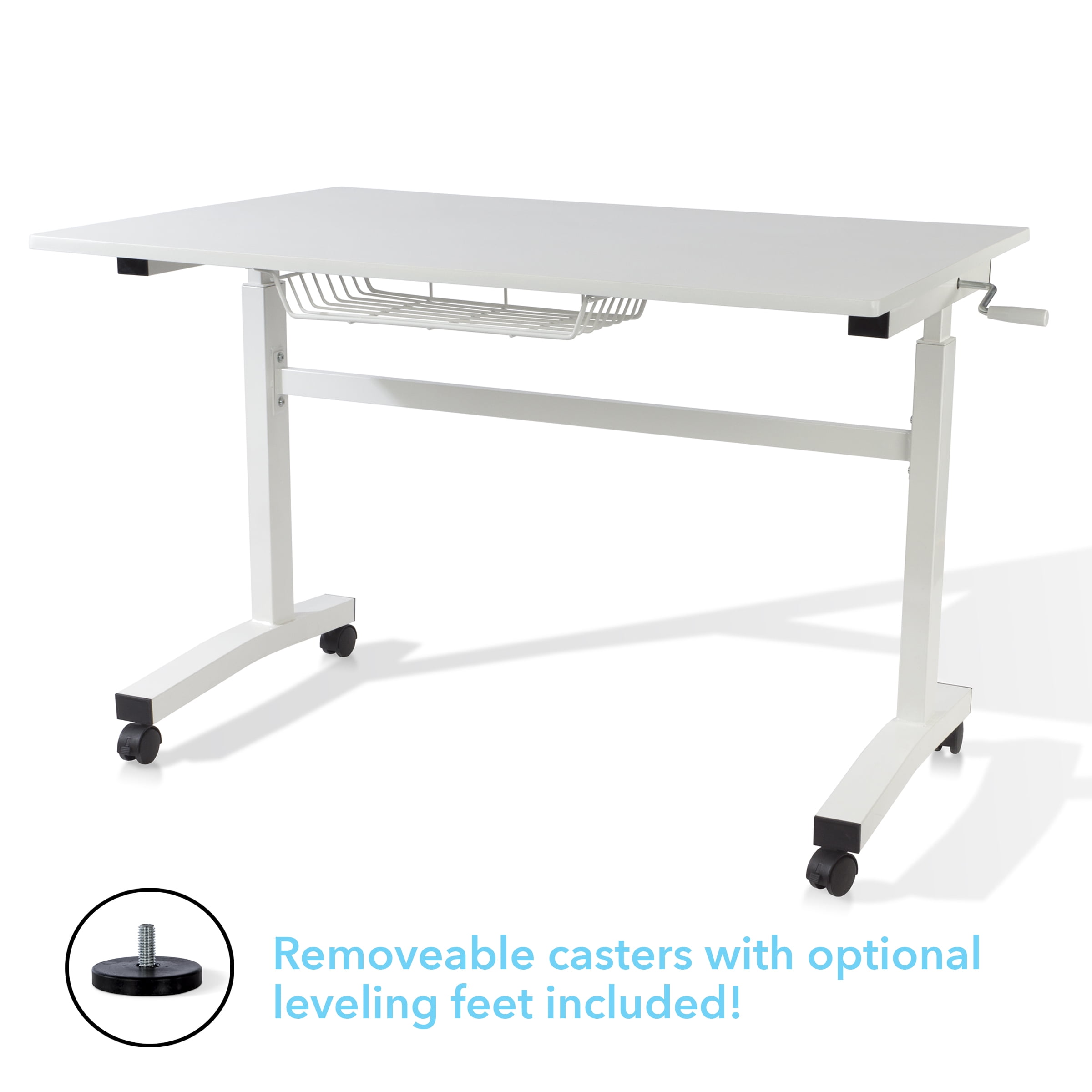
While standing desks offer numerous benefits, it is essential to consider ergonomic principles to maximize their advantages:
- Desk Height: The desk should be at elbow height to maintain a comfortable position while typing.
- Footwear: Supportive shoes can help reduce fatigue associated with standing for extended periods.
- Movement: Encourage users to shift their weight from one foot to another or use a footrest to promote movement and reduce strain.
Setting Up a Standing Desk on Casters

Setting up a standing desk on casters requires careful planning to ensure it meets individual needs. Here are some tips for creating an effective workspace:
- Assess Your Space: Consider the layout of your workspace and how a mobile desk can fit into it.
- Personalize Your Setup: Customize the desk with any necessary accessories, such as monitor risers, keyboard trays, or anti-fatigue mats.
- Establish a Routine: Integrate standing breaks into your daily workflow. A common recommendation is to alternate between sitting and standing every 30 to 60 minutes.
As the modern workplace evolves, the need for flexible and health-oriented furniture solutions becomes increasingly crucial. Standing desks on casters present an ideal blend of mobility and ergonomic benefits, helping to combat the risks associated with sedentary behavior. With documented improvements in health, productivity, and employee satisfaction, it’s clear that standing desks on casters represent a forward-thinking approach to workspace design.
By prioritizing health and flexibility, employers can create work environments that not only enhance productivity but also promote the well-being of their employees. As more organizations adopt this approach, the future of the workspace looks increasingly vibrant and dynamic.