Lighting is a critical, yet often overlooked, aspect of billiards that can significantly impact a player’s performance. The quality, intensity, and positioning of lighting can affect visibility, focus, and even the psychological state of a player at the table. In this article, we will explore how lighting influences billiard performance, the science behind it, and practical tips for optimizing your playing environment.
Understanding the Role of Lighting in Billiards
Lighting in billiards serves several purposes. It illuminates the playing surface, enhances visibility of the balls, and helps players gauge angles and distances. Poor lighting can lead to misjudgments and affect a player’s confidence. The following factors contribute to the effectiveness of billiard lighting:
- Intensity: The brightness of the light is crucial. Insufficient lighting can create shadows, while overly bright lights can cause glare.
- Color Temperature: The color of the light influences how colors are perceived. Warmer lights (around 3000K) can create a cozy atmosphere, but may distort the colors of the balls.
- Positioning: The angle and height of the lighting fixtures can either enhance or hinder visibility. Proper positioning helps reduce shadows on the table.
The Science Behind Lighting and Performance

Lighting has a psychological and physiological impact on human performance. Research shows that adequate lighting can enhance concentration and reduce fatigue, which are critical for games that require precision and focus like billiards. A study published in the Journal of Environmental Psychology revealed that well-lit environments can improve cognitive performance by up to 30%.
Moreover, lighting affects the way players perceive the table and the balls. A study from the University of California found that players in well-lit environments reported higher levels of confidence and satisfaction in their shots compared to those in poorly lit conditions.
Different Types of Lighting for Billiards

There are several types of lighting options suitable for billiard tables, each with its own advantages and disadvantages:
- Fluorescent Lighting: This type is energy-efficient and provides a bright, consistent light. However, it can create harsh shadows and is often not favored by professional players.
- LED Lighting: LEDs are versatile and can be adjusted for brightness and color temperature. They also generate less heat, making them a good choice for extended play sessions.
- Incandescent Bulbs: These bulbs offer a warm light, which can enhance the aesthetics of a game room. However, they can create glare and are less energy-efficient.
- Halogen Lights: Halogen lights provide bright, clear lighting and are often used in professional billiard setups. They closely mimic natural light, which aids in color perception.
Optimal Lighting Setup for Billiards
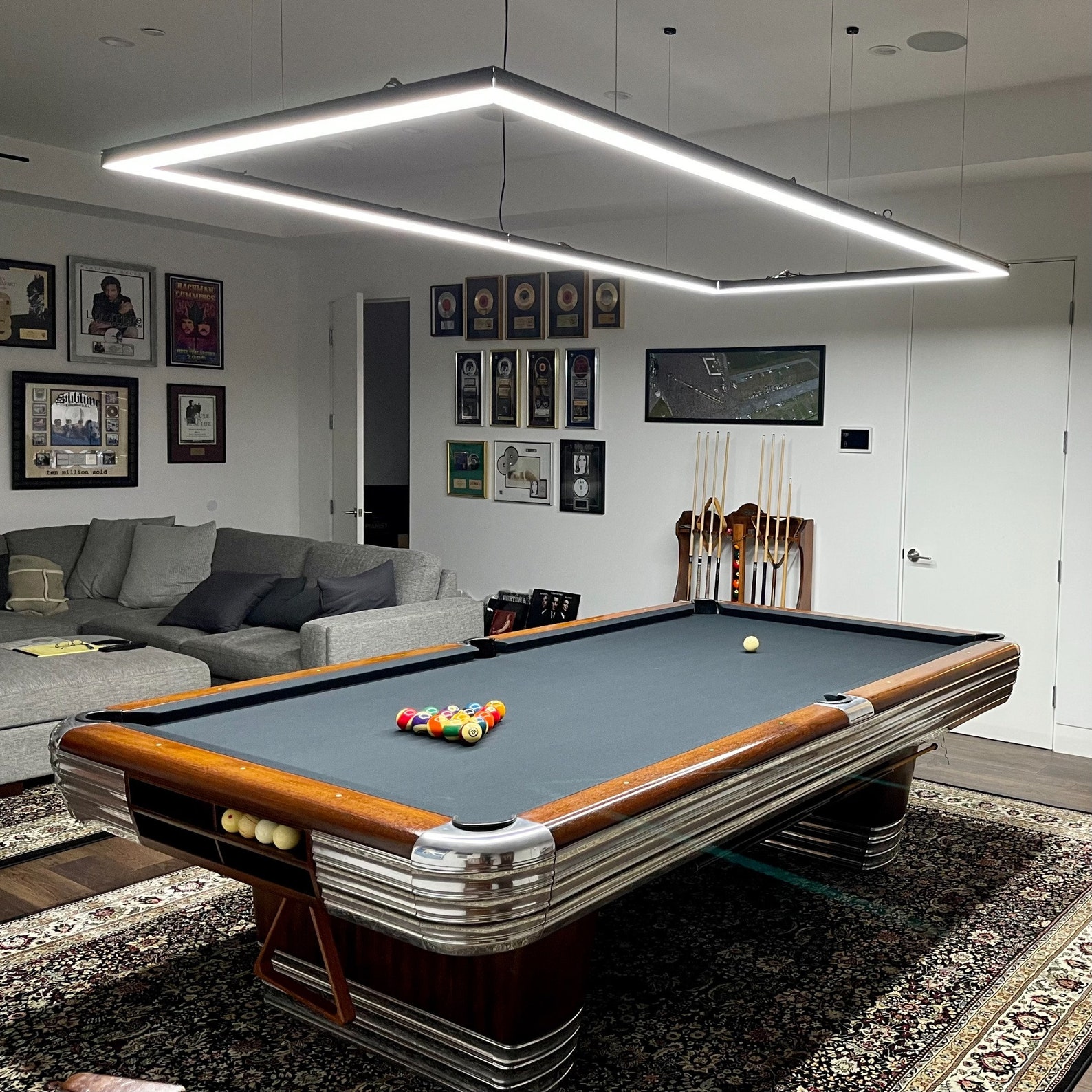
Creating an optimal lighting environment for billiards entails careful planning and consideration of various factors. Here are some guidelines:
- Height and Position: Lights should be positioned approximately 30 to 40 inches above the table. This height minimizes shadows while providing even illumination across the playing surface.
- Uniformity: Ensure that the light is evenly distributed across the table. Avoid fixtures that create hotspots or overly dark areas.
- Color Consistency: Use lights with a color temperature around 4000K to 5000K for the best color rendering, making it easier to distinguish between the balls.
- Adjustability: Consider using dimmable fixtures to adapt lighting conditions based on time of day or player preference.
Case Studies: Lighting in Professional Billiards

Professional billiard tournaments often invest heavily in lighting to ensure optimal playing conditions. For example, the World Pool-Billiard Association (WPA) mandates specific lighting standards for tournaments, including:
- Minimum illumination of 500 lux on the playing surface.
- Uniform lighting without significant variances in brightness across the table.
In the 2019 World Pool Championship, players noted that the high-quality LED lighting setup allowed for better visibility and reduced eye strain, leading to improved accuracy in their shots.
Player Testimonials: The Importance of Lighting
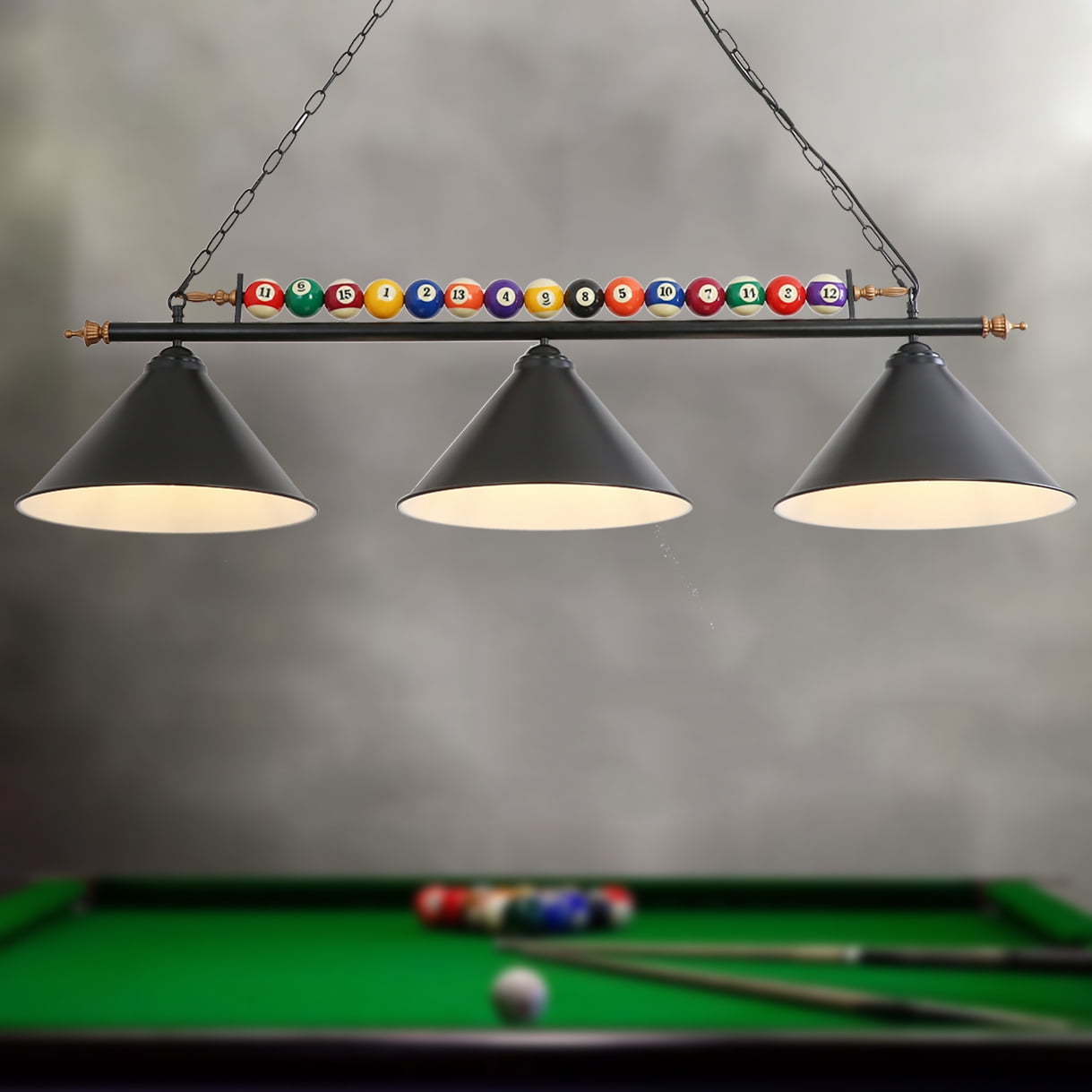
Numerous players have shared their experiences regarding the impact of lighting on their game:
- John Smith, Professional Player: “When I play in a well-lit environment, I feel more in control. It’s amazing how much of a difference it makes.”
- Emily Johnson, Amateur Player: “I used to struggle with my shots until I switched to better lighting. Now, I can see the angles much clearer.”
Common Lighting Mistakes to Avoid
While setting up lighting for billiards, certain common mistakes can undermine performance:
- Inadequate Brightness: Failing to provide enough light can lead to eye strain and inaccurate shots.
- Glare and Reflections: Positioning lights in a way that causes direct glare can disrupt focus and hinder performance.
- Overly Warm or Cool Lighting: Choosing the wrong color temperature can distort color perception and affect judgment.
Conclusion: Lighting as a Game-Changer
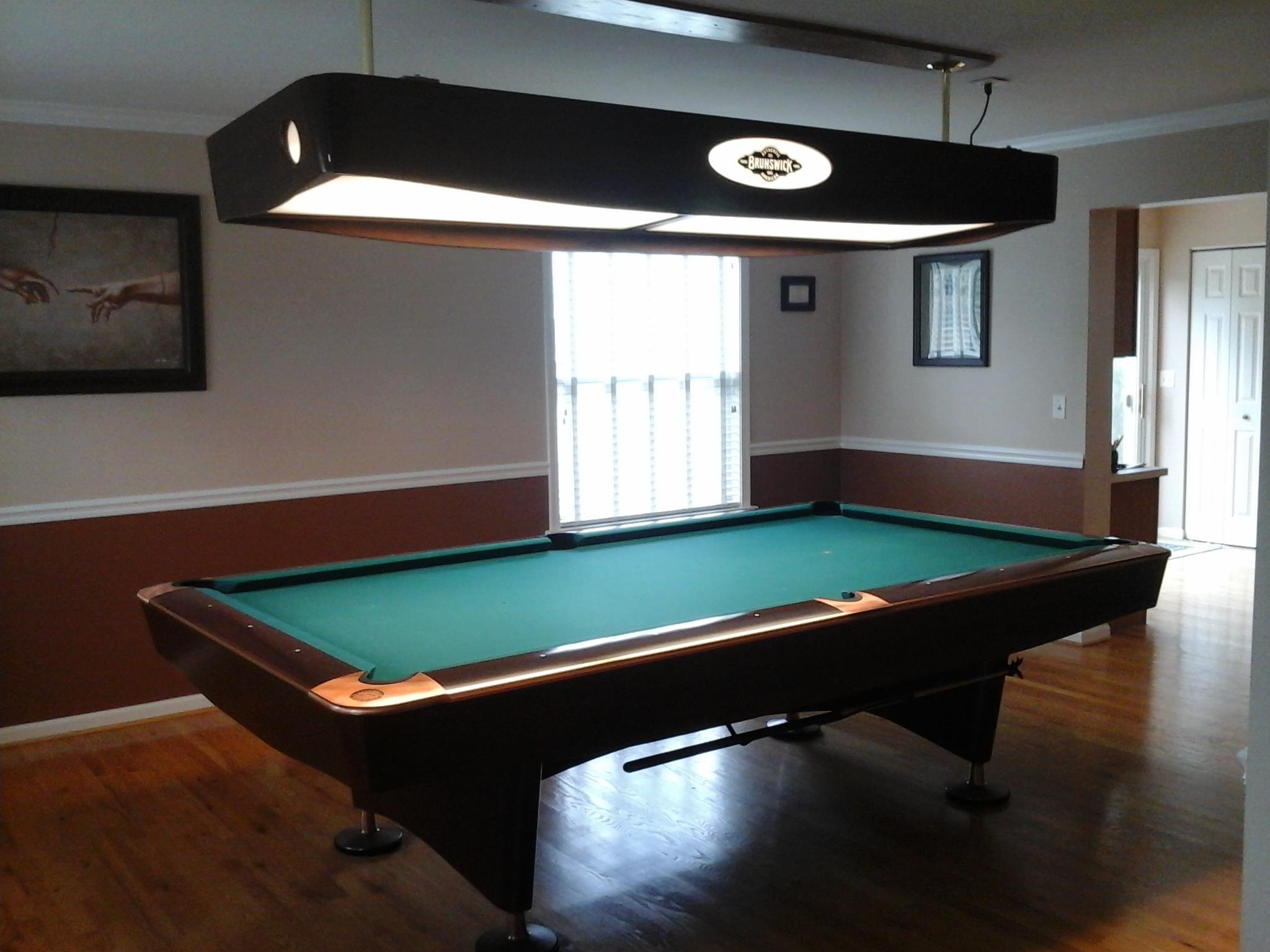
The impact of lighting on billiard performance cannot be overstated. From enhancing visibility to influencing psychological factors, the right lighting setup can be a game-changer for players of all levels. By understanding the science behind lighting and implementing best practices, players can optimize their environment for improved focus and performance.
In summary, consider the following key takeaways:
- Lighting is crucial for visibility and performance in billiards.
- Optimal lighting setup involves careful consideration of intensity, color temperature, and positioning.
- Professional standards exist for lighting in competitive play to ensure fairness and visibility.
- Player testimonials highlight the significant difference that proper lighting makes in performance.
By investing in quality lighting, you can transform your billiards experience and elevate your game to new heights.