For a generation of cough drop enthusiasts, the discontinuation of Halls Fruit Breezers was more than just the end of a product; it was the fading of a distinct and beloved taste. These vibrant, fruit-flavored lozenges, known for their pleasant sweetness and mild medicinal qualities, occupied a unique niche in the confectionery and health aid market. Their absence left a void, prompting many to question the reasons behind this seemingly abrupt departure. This article delves into the complex factors that likely led to the discontinuation of Halls Fruit Breezers, exploring market dynamics, consumer preferences, and strategic business decisions.
A Nostalgic Taste: The Rise of Halls Fruit Breezers

Introduced as an alternative to the more potent, menthol-heavy original Halls, Fruit Breezers aimed to capture a broader audience. They offered a gentler approach to soothing sore throats, emphasizing refreshing fruit flavors like cherry, lemon, orange, and strawberry. This innovation proved remarkably successful, resonating with consumers who sought a less intense, more palatable option for minor throat discomfort and even as a general-purpose candy.
The Appeal of Fruit-Forward Relief

The success of Fruit Breezers can be attributed to several key factors:
- Broader Consumer Appeal: By moving away from the strong menthol profile, Halls broadened its appeal to children and adults who found the original menthol taste overwhelming. The fruity flavors made them more enjoyable to consume.
- Dual Functionality: Fruit Breezers successfully straddled the line between a medicinal product and a sweet treat. Consumers often purchased them not just for their soothing properties but also as a pleasant-tasting lozenge for everyday use.
- Perceived Gentleness: The absence of intense menthol made them seem “gentler” on the throat, aligning with a perception of milder relief that many consumers preferred for less severe symptoms.
- Nostalgia Factor: For many, Fruit Breezers became associated with childhood memories and a sense of comfort, a sentiment that contributes to brand loyalty and enduring popularity.
The Shifting Sands of the Market: Factors Influencing Discontinuation
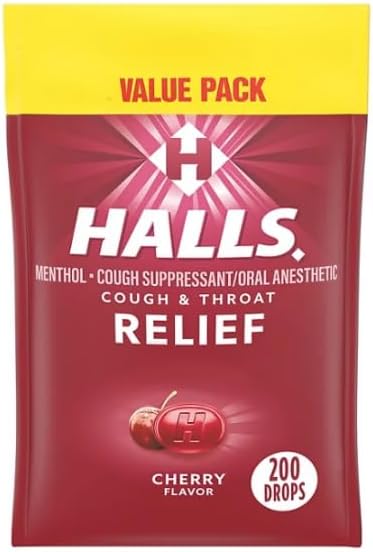
While the nostalgia and pleasant taste of Fruit Breezers were undeniable, the confectionery and pharmaceutical markets are constantly evolving. Several underlying forces likely contributed to their eventual removal from store shelves.
1. Evolving Consumer Preferences and Health Trends
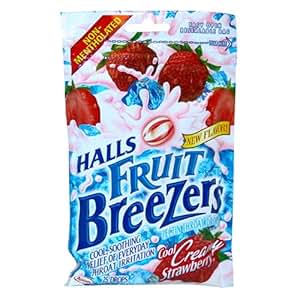
The health and wellness landscape has undergone significant changes. Consumers are increasingly seeking products with “natural” ingredients, reduced sugar content, and functional benefits beyond simple symptom relief. This trend impacts all sectors, including cough drops and lozenges.
Case Study: The Rise of Natural and Sugar-Free Options. Brands focusing on natural ingredients, like honey-based lozenges or those sweetened with stevia, have seen substantial growth. For example, Manuka honey lozenges have gained traction for their purported antibacterial properties and natural appeal. Similarly, the demand for sugar-free options has surged due to concerns about dental health and overall sugar intake. Halls itself has invested heavily in its own sugar-free lines, which may have cannibalized sales of their more traditional, sugar-containing Fruit Breezers.
Statistical Insight: According to a 2022 report by Grand View Research, the global dietary supplements market, which often overlaps with the health-focused confectionery segment, is projected to grow significantly, driven by increasing consumer awareness of preventive healthcare and the demand for natural and organic products. This suggests a market shift away from overtly sweet, confectionery-style remedies.
2. Product Portfolio Optimization and Strategic Focus

Large consumer packaged goods companies, such as Mondelēz International (the parent company of Halls for many years), often engage in regular portfolio reviews. This involves assessing the performance of individual products against strategic objectives, market share, profitability, and investment potential.
The Logic of Streamlining: Companies aim to concentrate their resources on products that offer the highest return on investment and align with their long-term brand strategy. If Halls Fruit Breezers, despite their loyal following, were no longer a top performer or were seen as competing with newer, more profitable product lines, a discontinuation would be a logical business decision. This might involve:
- Declining Sales Volume: While specific sales figures for Fruit Breezers are not publicly available, it’s possible that their sales volume had plateaued or begun to decline in comparison to other Halls products or competing brands.
- Cannibalization: The success of other Halls product lines, such as their sugar-free variants or their more medicinally focused offerings, might have inadvertently reduced the demand for Fruit Breezers.
- Manufacturing and Distribution Costs: Maintaining production lines and distribution channels for a wide array of products can be costly. Companies often streamline their offerings to reduce complexity and overhead.
- Focus on Core Strengths: Mondelēz International has a diverse portfolio. Their strategic decisions often revolve around focusing on their strongest brands and product categories.
3. The Rise of Competition and Niche Brands
The market for throat lozenges and soothing candies is highly competitive. Beyond the established players like Halls, numerous other brands have emerged, catering to specific needs and preferences.
Diversification of the Market: Consumers now have a plethora of choices:
- Specialty Brands: Brands focusing on specific ingredients like zinc, vitamin C, or herbal extracts offer targeted benefits.
- Gourmet Confectionery: High-end, artisanal candies that happen to offer mild throat-soothing properties have also entered the market, appealing to consumers who prioritize taste and quality.
- Private Label Brands: Supermarkets and drugstores often offer their own store-brand versions of popular lozenges, which can be more cost-effective for consumers and put pressure on national brands.
The presence of these diverse competitors could have diluted the market share of Halls Fruit Breezers, making them less of a dominant force and more susceptible to being phased out.
4. Regulatory and Ingredient Scrutiny
While less likely to be a primary driver for Fruit Breezers specifically, the broader regulatory environment for food and pharmaceutical products is constantly evolving. Ingredients that were once commonplace may face increased scrutiny, leading companies to reformulate or discontinue products to avoid potential compliance issues or negative consumer perceptions.
Example: Artificial Sweeteners and Colors. Many confectionery products, including lozenges, utilize artificial sweeteners and colors to achieve their distinct taste and appearance. As consumer awareness and concern around these ingredients grow, companies may proactively move away from them to appeal to a more health-conscious demographic. While Halls Fruit Breezers were generally well-received, a desire to align with “clean label” trends could have played a role in strategic decisions.
The Legacy of a Sweet Memory
The discontinuation of Halls Fruit Breezers serves as a reminder of the dynamic nature of the consumer goods industry. Products that were once staples can fade due to shifts in consumer behavior, market competition, and corporate strategy. Despite their absence, the memory of their unique fruity sweetness persists for many, a testament to their impact on a generation.
What Replaced Them?
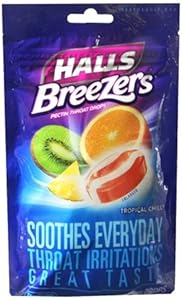
In the wake of Fruit Breezers’ departure, consumers have explored various alternatives:
- Other Halls Varieties: Many have migrated to other Halls products, including their sugar-free lines or more medicinally focused options.
- Competitor Brands: Consumers have likely sought out similar fruit-flavored lozenges from other brands that remain on the market.
- Natural Alternatives: The trend towards natural remedies has likely led some consumers to explore honey-based lozenges, herbal infusions, and other less processed options.
The void left by Halls Fruit Breezers highlights the emotional connection consumers can form with products and the subtle yet significant impact that even seemingly minor changes in product availability can have.
The discontinuation of Halls Fruit Breezers was likely a multifaceted decision driven by a combination of evolving consumer preferences for natural and sugar-free options, a need for product portfolio optimization by the parent company, and the intense competition within the throat lozenge market. While the exact internal reasoning remains proprietary, the observable trends in the consumer packaged goods industry provide a strong framework for understanding this “sweet farewell.” The departure of Fruit Breezers underscores the importance of adaptability for brands and the enduring power of consumer taste and health consciousness in shaping the marketplace. Though no longer available, the distinct, fruity relief they offered will likely remain a fond memory for many.