In the ever-evolving landscape of interior design, certain styles transcend fleeting trends, embedding themselves permanently into our aesthetic sensibilities. Mid-century modern, a design movement that flourished roughly between the 1940s and 1960s, is a prime example. Within this iconic era, the walnut desk stands out as a particularly enduring piece, embodying the movement’s core principles of functionality, organic forms, and exquisite craftsmanship. This article delves into the multifaceted reasons behind the timeless appeal of mid-century modern walnut desks, exploring their design philosophy, material integrity, and lasting impact on contemporary spaces.
A Marriage of Form and Function: The Mid-Century Modern Ethos
The mid-century modern movement was born out of a desire for a fresh aesthetic that broke away from the ornate traditions of the past. It was a period of optimism and innovation, heavily influenced by post-war technological advancements and a burgeoning interest in human-centric design. Architects and designers sought to create spaces and objects that were both beautiful and practical, seamlessly integrating into the lives of everyday people.
Simplicity as Sophistication
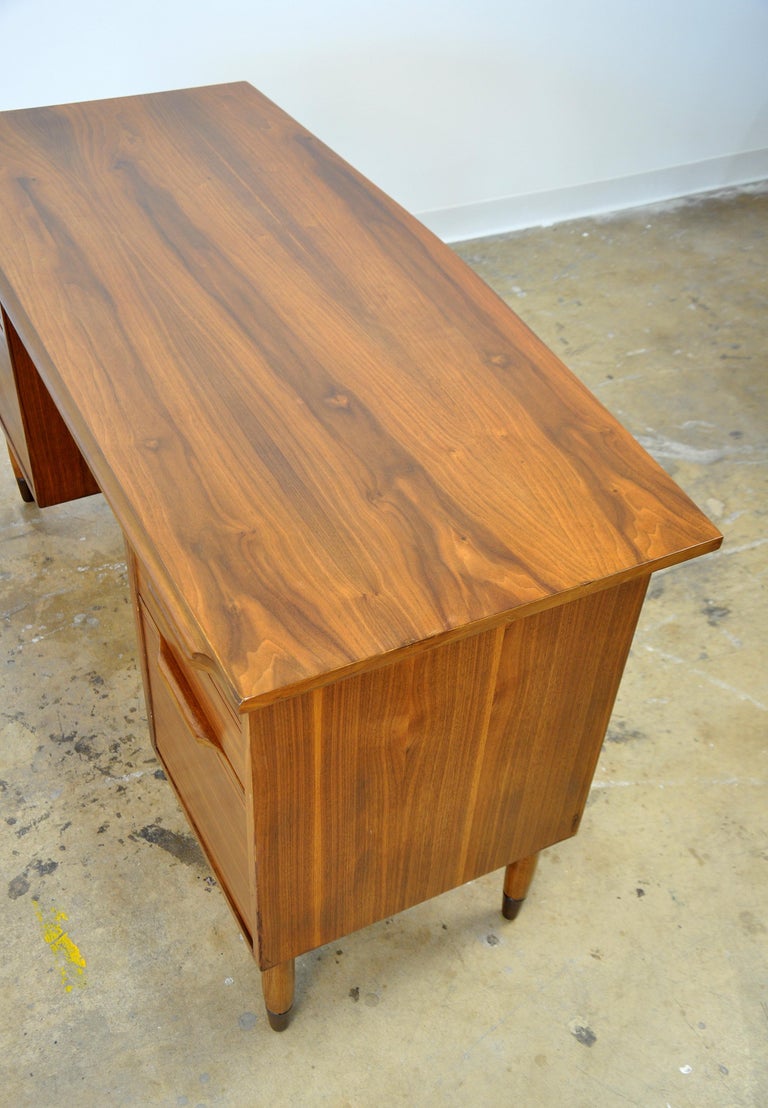
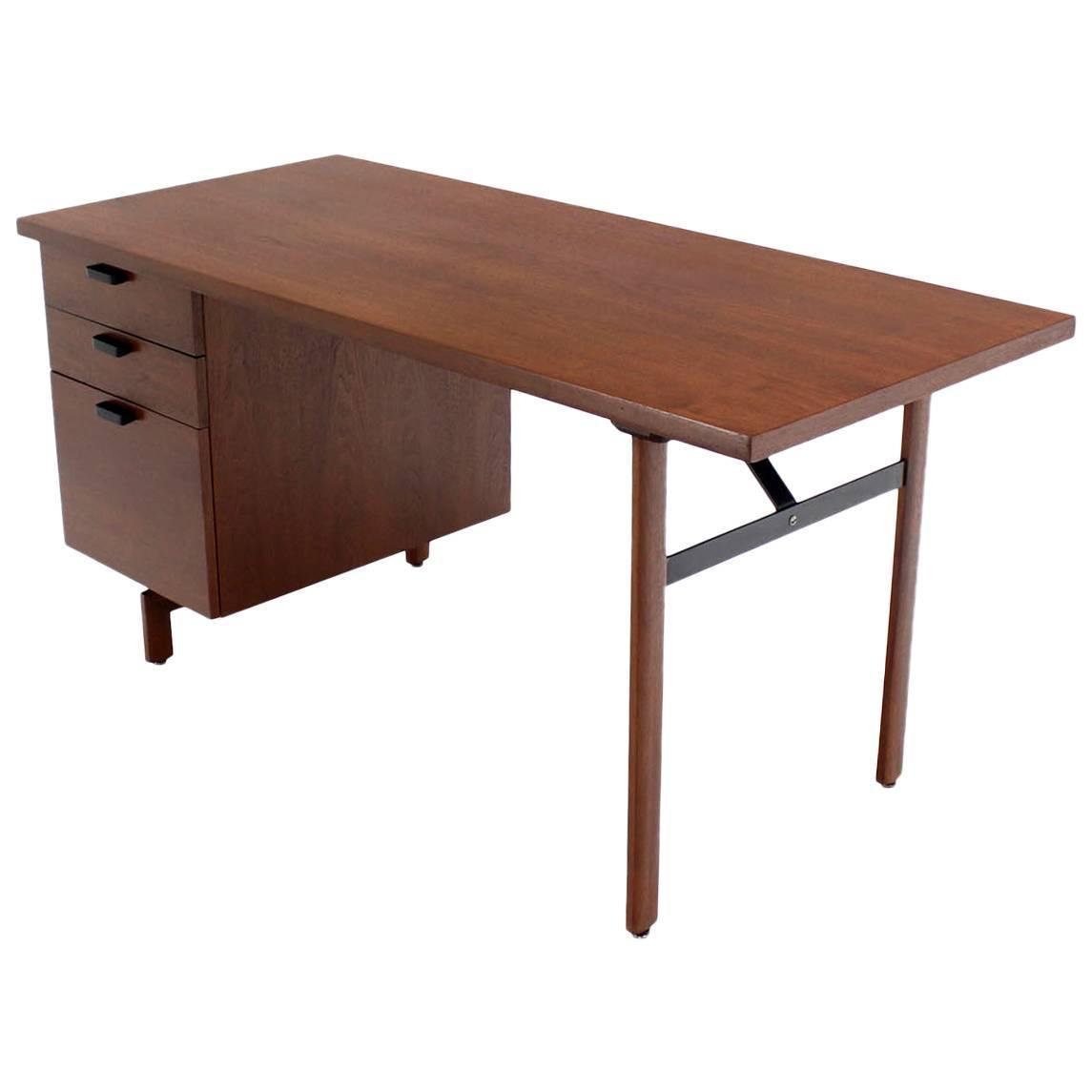
At the heart of mid-century modern design lies a profound appreciation for simplicity. Designers stripped away unnecessary embellishments, focusing on clean lines, uncluttered surfaces, and an emphasis on the inherent beauty of materials. Walnut desks from this era exemplify this principle. Their forms are often characterized by:
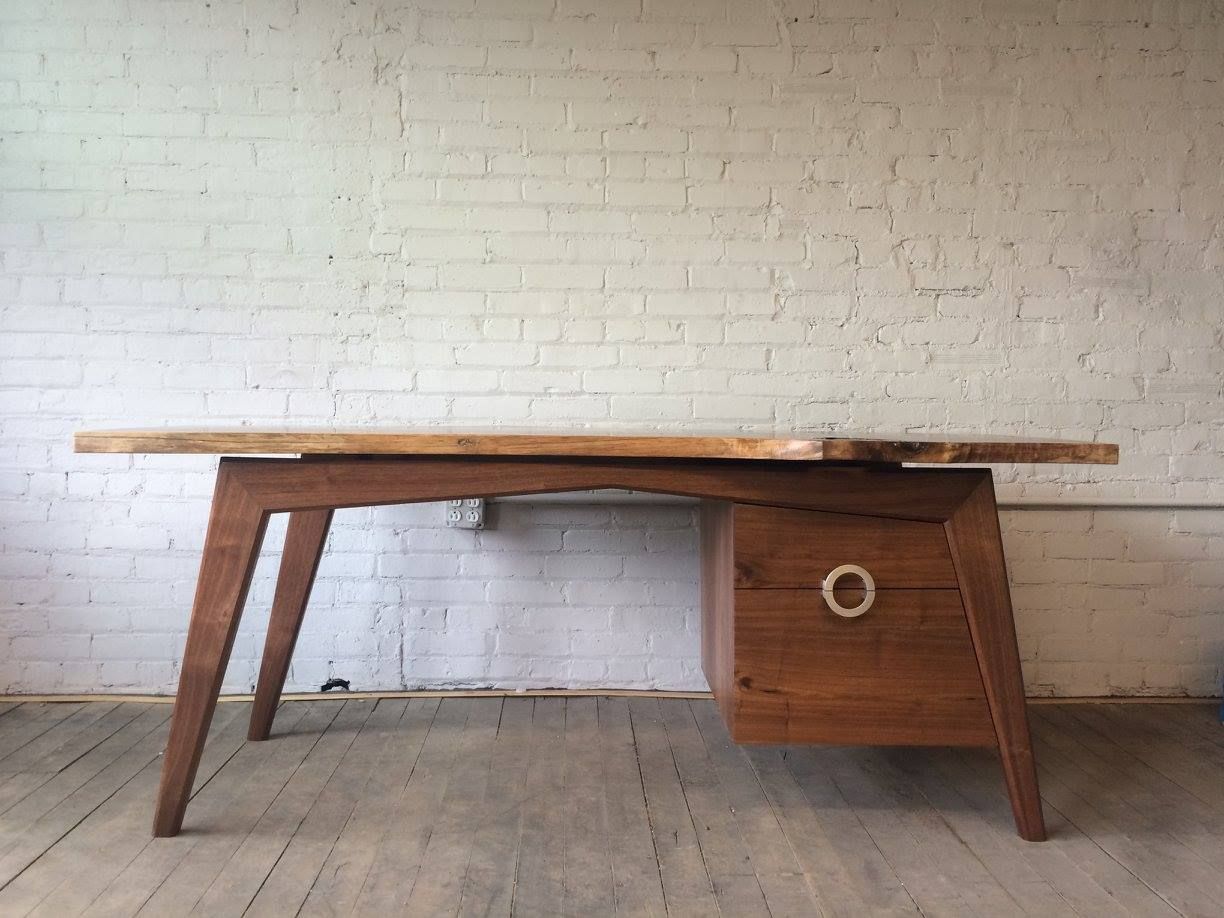
- Tapered legs: These slender, angled legs provide an airy, almost sculptural quality, lifting the desk off the floor and creating a sense of lightness.
- Sleek, minimalist silhouettes: Absence of excessive ornamentation, allowing the rich grain of the walnut to take center stage.
- Integrated storage: Drawers and compartments were often cleverly concealed within the desk’s structure, maintaining a streamlined appearance while offering practical utility.
This commitment to unadorned elegance made these desks versatile enough to fit into a variety of settings, from formal studies to casual living areas.
Organic Inspiration and Human Scale
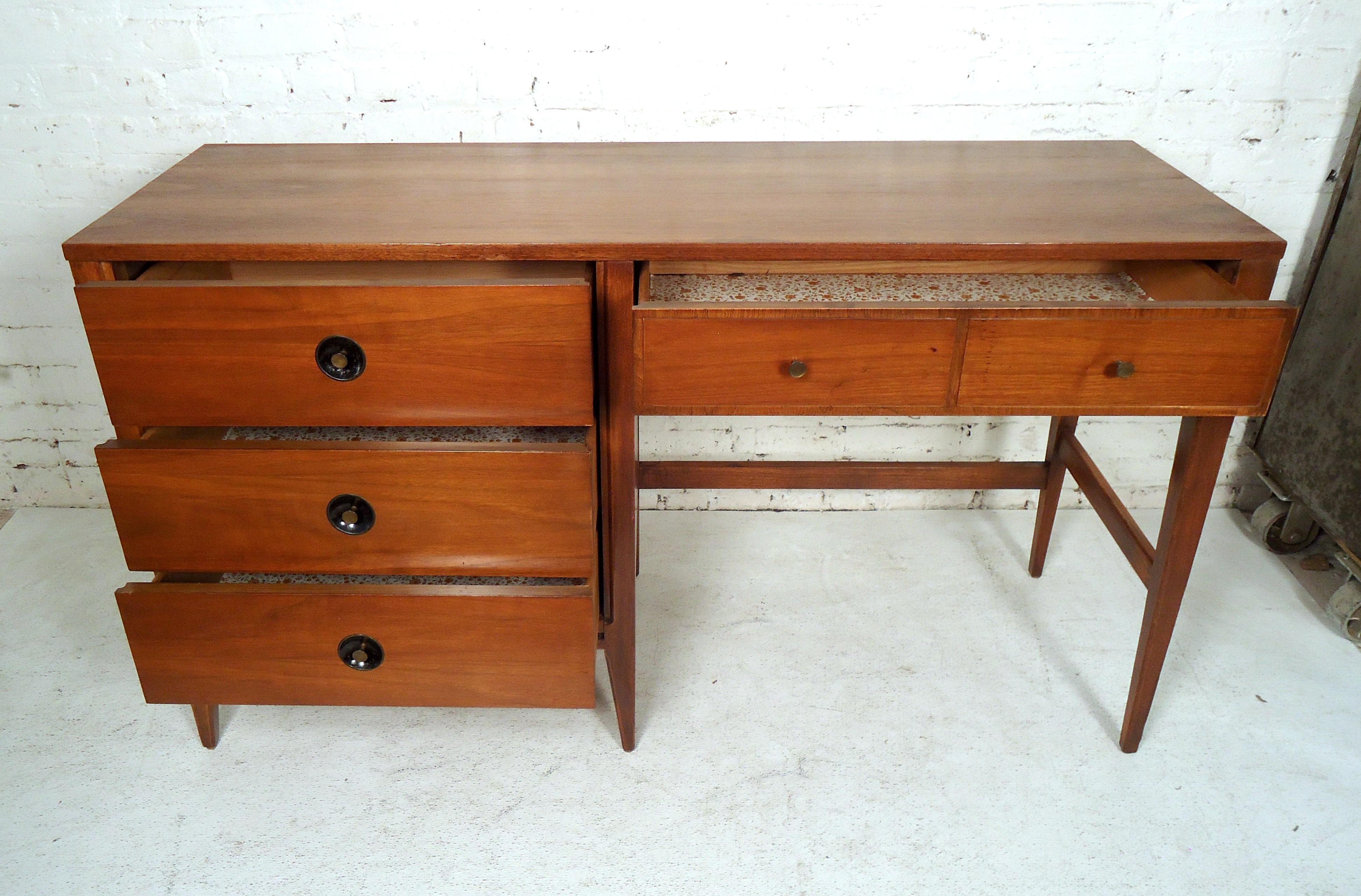
Another defining characteristic of mid-century modern design is its inspiration drawn from nature. Forms were often softened, with gentle curves and rounded edges that conveyed a sense of approachability and comfort. Walnut desks frequently incorporated these organic elements, creating pieces that felt less like rigid furniture and more like natural extensions of the living space. The scale of these desks was also thoughtfully considered, designed to be proportionate to human use, fostering a sense of connection and ease.
The Unrivaled Beauty of Walnut
The choice of material is paramount to the enduring appeal of these desks. Walnut, a hardwood prized for its rich, deep color, beautiful grain patterns, and exceptional durability, was a favored material for mid-century modern designers. Its natural warmth and sophisticated character lent an inherent sense of luxury and timelessness to the pieces it formed.
A Palette of Rich Hues
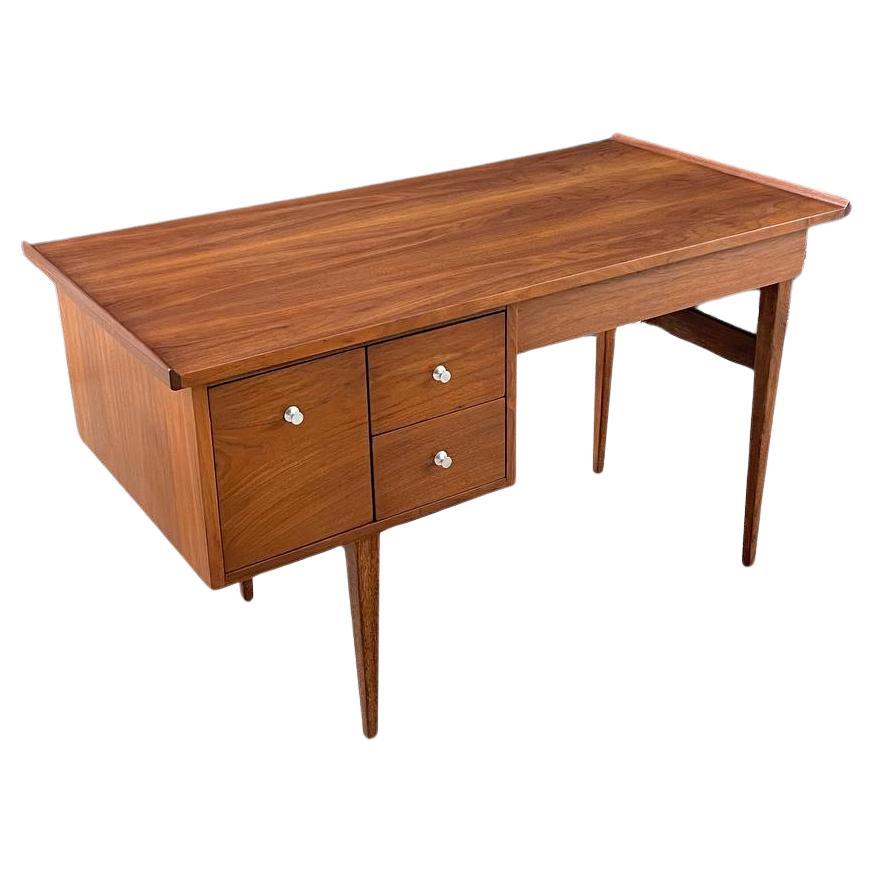
Walnut wood typically ranges in color from a light, golden brown to a deep, dark chocolate. The intricate, often swirling or linear grain patterns add visual depth and unique character to each desk. This natural variation ensures that no two walnut desks are exactly alike, making each piece a unique work of art.
Durability and Longevity
Beyond its aesthetic appeal, walnut is renowned for its strength and resilience. This made it an ideal material for furniture intended for daily use. Mid-century modern walnut desks were built to last, a testament to the craftsmanship of the era. Their robust construction means that many of these pieces have gracefully weathered decades of use, retaining their structural integrity and visual appeal.
A Sustainable Choice, Even Then
While sustainability wasn’t a mainstream design buzzword in the mid-20th century, the careful selection of durable, long-lasting materials like walnut inherently contributed to a more sustainable approach to furniture consumption. These desks were designed to be cherished and passed down, rather than being quickly replaced. In today’s environmentally conscious world, this inherent longevity makes them an even more attractive proposition.
Iconic Designs and Enduring Legacies
The mid-century modern era produced a pantheon of legendary designers whose creations continue to inspire. Many of their walnut desk designs have become iconic, their influence still palpable in contemporary furniture manufacturing.
Case Studies in Excellence
- The Eames Desk (Charles and Ray Eames): While often associated with plywood, the Eameses also created stunning walnut pieces. Their designs consistently emphasized functionality, modularity, and a playful yet sophisticated aesthetic. Imagine a compact, elegant walnut writing desk with integrated storage and a cantilevered leg – a true embodiment of their philosophy.
- The Knoll Executive Desk (Florence Knoll Bassett): Florence Knoll’s work is synonymous with modernism and elegance. Her executive desks, often crafted from rich walnut, featured clean lines, ample workspace, and a refined sense of proportion. These pieces exuded professionalism and understated luxury.
- George Nelson’s Platform Bench as Desk Base: While not a desk in the traditional sense, George Nelson’s iconic platform bench, often paired with a minimalist tabletop, served as a highly functional and visually striking workspace. Its adaptability and modern aesthetic align perfectly with the mid-century ethos, and when constructed with walnut, it offered both warmth and sophistication.
These designers, and many others, understood the inherent qualities of walnut and how to harness them to create furniture that was both aesthetically pleasing and highly functional. Their creations became benchmarks for quality and design, influencing generations of furniture makers.
The Mid-Century Modern Walnut Desk in the Contemporary Home
Far from being relics of the past, mid-century modern walnut desks have found a renewed appreciation in today’s homes. Their adaptability and inherent style make them a sought-after addition to a wide range of interior design schemes.
A Versatile Statement Piece
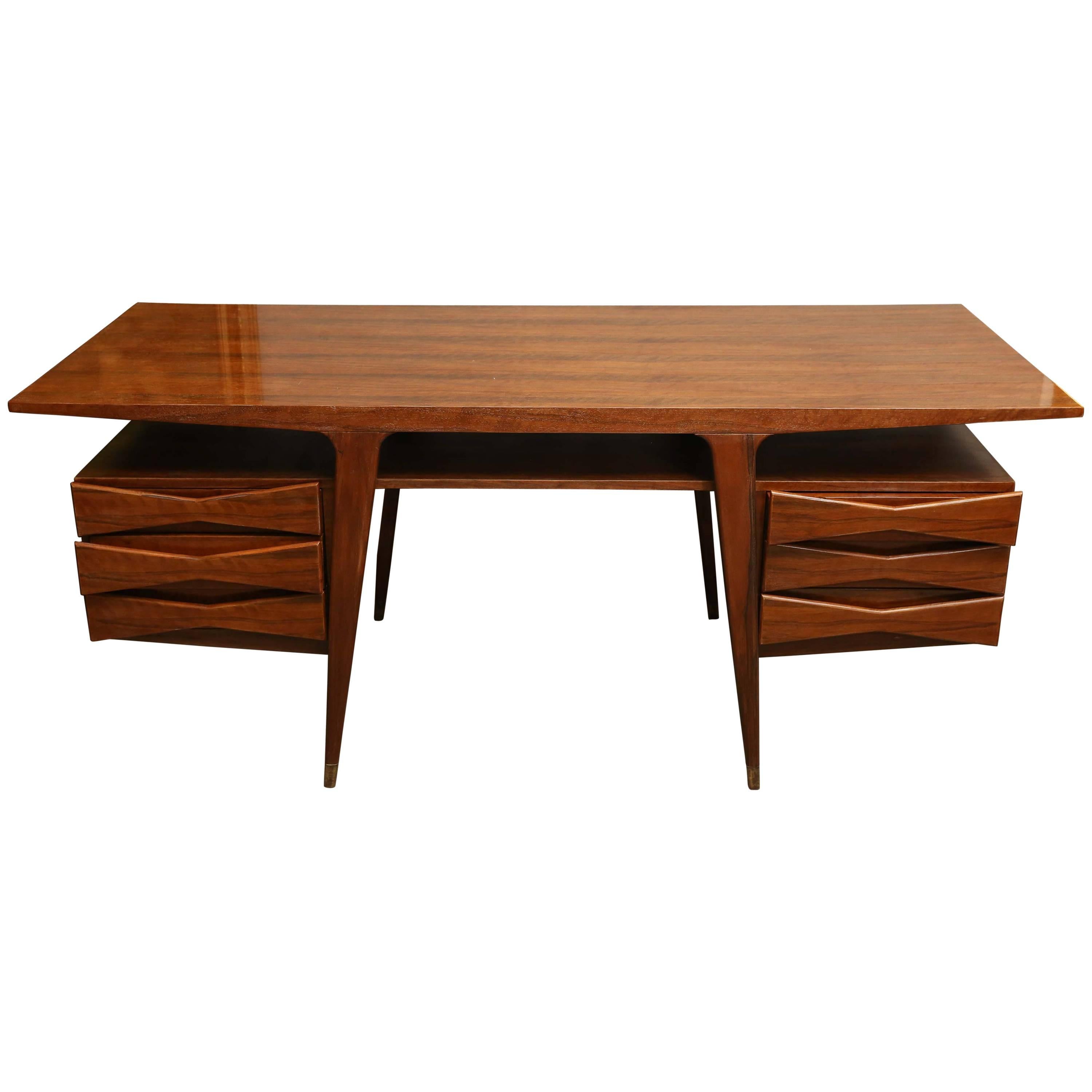
The clean lines and natural beauty of a walnut desk allow it to seamlessly integrate into various design aesthetics. Whether it’s:
- A minimalist Scandinavian-inspired living room, where its warmth provides a welcome contrast to cooler tones.
- A more eclectic space, where its classic form acts as a grounding element.
- A contemporary office, where it adds a touch of sophisticated character and a departure from mass-produced furniture.
These desks are not merely functional objects; they are statement pieces that can elevate the entire ambiance of a room. Their presence adds a layer of history, craftsmanship, and inherent elegance.
The Appeal of Authenticity and Sustainability
In an era saturated with fast furniture and disposable goods, the allure of authentic, well-made pieces is stronger than ever. Owning a vintage mid-century modern walnut desk offers a connection to a bygone era of quality and craftsmanship. Furthermore, embracing vintage furniture aligns with a growing desire for sustainable living, giving new life to existing pieces and reducing the demand for new manufacturing.
The “Warm Minimalism” Trend
The contemporary design trend of “warm minimalism” perfectly embraces the qualities of mid-century modern walnut desks. This style seeks to balance the clean lines and uncluttered nature of minimalism with the introduction of warm, natural materials and softer textures. A walnut desk, with its rich tones and organic grain, is an ideal embodiment of this trend, bringing both serenity and visual interest to a space.
Statistics on Vintage Furniture Demand
While specific statistics for walnut desks are elusive, the broader trend in vintage furniture is illuminating. According to a 2022 report by Statista, the global secondhand furniture market is projected to reach \$11.4 billion by 2025, indicating a significant and growing consumer interest in pre-owned items. This rise in demand for vintage and antique furniture directly benefits the availability and desirability of pieces like mid-century modern walnut desks.
Caring for Your Timeless Treasure
To ensure your mid-century modern walnut desk continues to grace your home for decades to come, proper care is essential. While walnut is durable, it benefits from a little attention.
- Dusting: Regularly dust with a soft, dry cloth to prevent the buildup of grit that can scratch the finish.
- Cleaning: For tougher grime, use a slightly damp cloth with a mild soap solution, wiping dry immediately afterward.
- Protection: Use coasters under drinks and trivets under hot items to prevent water rings and heat damage.
- Avoid direct sunlight: Prolonged exposure to direct sunlight can cause the wood to fade and the finish to degrade.
- Conditioning: Periodically use a good quality furniture polish or wax specifically formulated for wood to maintain the finish and protect it from drying out.
By following these simple care instructions, you can preserve the beauty and integrity of your walnut desk, ensuring it remains a cherished heirloom.
A Legacy of Enduring Design
The mid-century modern walnut desk is more than just a piece of furniture; it is a testament to a design philosophy that prioritized enduring quality, functional elegance, and the inherent beauty of natural materials. Its clean lines, organic forms, and the rich, warm character of walnut have allowed it to transcend the confines of its era, remaining a highly desirable and relevant addition to contemporary interiors. In a world increasingly focused on fleeting trends and disposable consumerism, the mid-century modern walnut desk offers a compelling alternative – a symbol of timeless design, superior craftsmanship, and sustainable elegance. Its enduring appeal lies in its ability to be both a practical workspace and a beautiful work of art, a legacy that continues to inspire and enrich our living spaces.