Transitioning from a crib to a toddler bed is a significant milestone in a child’s development. Parents often find themselves weighing the pros and cons of different bed sizes, primarily crib and twin beds. This article aims to provide a comprehensive comparison between these two popular bed sizes, helping you make an informed decision for your child.
Understanding Toddler Bed Sizes

Toddler beds are specifically designed to cater to the needs of young children, typically aged 1 to 5 years. The most common bed sizes for toddlers are:
- Crib Beds: These are essentially toddler-sized beds that are often a transition from a crib. They maintain a similar size but come with bed frames and mattresses suitable for toddlers.
- Twin Beds: These are larger beds, usually measuring 38 by 75 inches, and can accommodate older children and even adults.
Understanding the key differences between these sizes can help you choose the right bed for your child’s needs, comfort, and safety.
Size Comparison
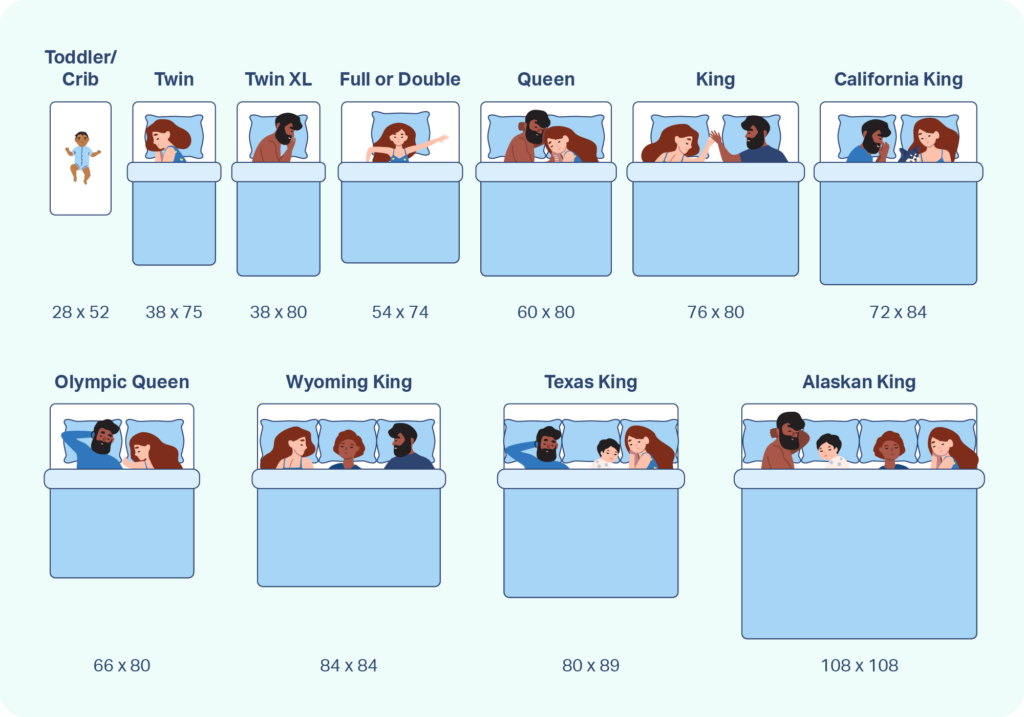
One of the most significant differences between crib beds and twin beds is their size. Here’s a breakdown:
- Crib Bed Size: Typically measures 27.5 by 52 inches. This size is great for toddlers who have outgrown their cribs but still need a smaller sleeping space.
- Twin Bed Size: Measures 38 by 75 inches. This bed size is considerably larger and suitable for children as they grow older.
This size difference impacts not only the bed itself but also the room layout, bedding options, and overall comfort for the child.
Safety Considerations
Safety is paramount when choosing a bed for your toddler. Here are some safety considerations for both bed types:
Crib Beds

- Lower Height: Crib beds are closer to the ground, reducing the risk of injury if a child rolls out of bed.
- Enclosed Design: Many crib beds come with side rails that prevent children from falling out during sleep.
- Familiar Environment: Transitioning to a crib bed can feel more natural for toddlers, as it mimics their previous sleeping arrangement.
Twin Beds
- Higher Height: Twin beds sit higher off the ground, which could pose a risk if a child falls out.
- Optional Guardrails: Many twin beds do not come with built-in guardrails, so parents must purchase these separately for safety.
- Room to Grow: While not inherently safer, twin beds can accommodate older children, making them a long-term investment.
From a safety perspective, crib beds generally offer more features designed for toddlers, while twin beds require additional safety measures.
Comfort and Ease of Transition
Comfort is a crucial factor for a good night’s sleep, and it can significantly impact your child’s mood and behavior. Here’s how each bed size fares:
Crib Beds

- Familiar Mattress: Many crib beds use standard crib mattresses, which are designed to provide the right support for toddlers.
- Less Space: The smaller size can help create a cozy environment, making children feel secure.
- Easy Transition: For children who are used to sleeping in a crib, moving to a crib bed can feel like a less intimidating step.
Twin Beds
- More Mattress Options: Twin beds can accommodate a variety of mattress types, including memory foam, which might offer better comfort.
- Room to Stretch: As children grow, they need more space to move around while sleeping. Twin beds provide that extra room.
- Encourages Independence: Transitioning to a twin bed may encourage children to feel like they are growing up.
Ultimately, the choice between comfort and familiarity may depend on your child’s personality and preferences.
Cost Analysis
When considering the financial aspect, the cost of the bed and accessories can be a major deciding factor. Here’s how the costs break down:
Crib Beds
- Initial Cost: Crib beds tend to be less expensive, generally ranging from $100 to $300.
- Mattress Cost: A standard crib mattress can cost anywhere from $50 to $200.
- Longevity: Crib beds usually last until the child is about 5 years old, at which point a new bed will be necessary.
Twin Beds
- Initial Cost: Twin beds are more expensive, typically ranging from $150 to $500.
- Mattress Cost: A twin mattress can range from $100 to $400, depending on the type.
- Long-Term Use: Twin beds can be used until adulthood, making them a better investment in the long run.
While crib beds might seem cheaper initially, twin beds can offer more value by lasting longer.
Case Studies and Statistics
According to a study conducted by the American Academy of Pediatrics, children who transitioned from cribs to toddler beds reported better sleep patterns when the bed was appropriately sized for their developmental stage. Another survey by the National Sleep Foundation found that 70% of parents preferred twin beds for older toddlers due to their longevity and comfort.
In a case study of a daycare center that transitioned from crib beds to twin beds, the center reported a 30% increase in overall sleep quality among children aged 3 to 5, citing the added space and comfort of twin beds.
Choosing between a crib bed and a twin bed for your toddler is a decision that encompasses safety, comfort, cost, and your child’s developmental needs. Here’s a quick recap:
- Crib Beds: Ideal for younger toddlers, safer due to lower height, and provide a familiar sleeping environment.
- Twin Beds: More spacious, suitable for older children, and a long-term investment, but require additional safety measures.
Ultimately, the right choice will depend on your child’s age, size, and readiness for transition. By considering the factors discussed in this article, you can make an informed decision that supports your child’s health and development while also fitting your family’s lifestyle and budget.