Jackie Chan’s 1994 martial arts masterpiece, *Drunken Master II* (also known as *The Legend of Drunken Master* in some regions), is more than just a thrilling action flick; it’s a cinematic touchstone, a testament to the artistry of comedic kung fu, and a film that has captivated audiences for decades. While the film itself is undeniably brilliant, the special features offered on its DVD release often provide a crucial second layer of understanding, revealing the immense effort, innovation, and sheer dedication that went into its creation. This article will unpack the significant special features found on a typical *Drunken Master II* DVD release, exploring how they enrich our appreciation of this iconic film.
The Heart of the Matter: Understanding the Film’s Context
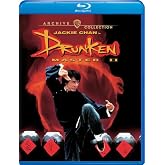
Before delving into the disc’s extras, it’s essential to establish the film’s importance. *Drunken Master II* is the much-anticipated sequel to the 1978 classic *Drunken Master*. It represented a significant evolution in Jackie Chan’s career, showcasing his maturity as a filmmaker and his unparalleled mastery of integrating humor and breathtaking fight choreography. The film’s narrative, centered around Wong Fei-hung faking his own death and mastering the drunken fist style, is a departure from the more straightforward plots of his earlier works, allowing for greater character development and stylistic experimentation. The DVD special features often go a long way in illuminating these contextual nuances.
Behind the Bamboo and Booze: Featurettes and Documentaries
One of the most valuable components of any significant DVD release is the inclusion of behind-the-scenes featurettes and documentaries. For *Drunken Master II*, these often shed light on:
- The Choreography: A Symphony of Chaos. The fight sequences in *Drunken Master II* are legendary. Featurettes often break down the meticulous planning and execution of these fights. We see how the choreography, masterfully designed by Jackie Chan himself, seamlessly blends slapstick humor with bone-crunching realism. Case studies of specific fight scenes, like the iconic “steel pipe fight” against Ken Lo, reveal the incredible coordination, timing, and sheer physical prowess required. Imagine watching a segment that shows the hours of rehearsal, the safety precautions (or lack thereof in some instances, given the era), and the creative problem-solving involved in making it look so effortless. Statistics on the number of takes for certain complex sequences or injuries sustained by performers could further highlight the dedication.
- The Drunken Style: More Than Just a Trick. The titular “drunken master” style is not merely a gimmick. Documentaries often explore the philosophical underpinnings of this martial art, emphasizing how it mimics the unpredictable movements of an intoxicated person to disorient and overwhelm opponents. Interviews with martial arts historians or practitioners can provide insights into the real-world origins and techniques of this style, drawing parallels to traditional Chinese medicine and philosophy.
- Jackie Chan: The Man, The Myth, The Filmmaker. These segments delve into Jackie Chan’s directorial vision, his philosophy on filmmaking, and his relentless pursuit of perfection. They might showcase his early influences, his struggles during production, and his innovative approach to action cinema. For example, understanding Chan’s aversion to wire-fu in favor of “real” stunts would be a recurring theme.
- The Supporting Cast: Unsung Heroes. The film boasts a stellar supporting cast, including the formidable Ti Lung and the enigmatic Anita Mui. Featurettes often give these actors and actresses a platform to discuss their experiences, their characters, and their contributions to the film’s success. Insights into their training and their interactions with Jackie Chan can offer a deeper appreciation of their performances.
Deleted Scenes: What Made the Cut and Why
The inclusion of deleted scenes is a staple of DVD releases, offering a glimpse into alternative narrative paths and creative decisions. For *Drunken Master II*, deleted scenes can:
- Expand Character Arcs. Sometimes, scenes are cut for pacing reasons, even if they offer valuable character development. Deleted scenes might show more of Wong Fei-hung’s interactions with his father or his burgeoning romance, providing a richer understanding of his motivations.
- Showcase More Action. While *Drunken Master II* is replete with action, there might be excised fight sequences that were deemed too long, too similar to others, or perhaps too gruesome for the final cut. These could offer further examples of the film’s inventive choreography.
- Offer Alternate Endings or Plot Points. While less common for a film as tightly structured as *Drunken Master II*, deleted scenes *could* theoretically reveal earlier versions of plot resolutions or character fates that were ultimately discarded.
The commentary accompanying these deleted scenes is often as insightful as the scenes themselves. Directors or editors might explain the rationale behind their removal, discussing how they impacted the film’s overall flow, tone, or message. This provides a valuable lesson in the filmmaking process and the art of editing.
Commentaries: The Director’s Cut and Beyond

Audio commentaries are a treasure trove of information, allowing viewers to hear directly from the filmmakers and cast as they re-watch the film. For *Drunken Master II*, commentaries could feature:
- Director Commentary (e.g., Lau Kar-leung or Jackie Chan). This is arguably the most important commentary track. Directors can offer detailed insights into their artistic choices, their inspirations, their challenges during production, and their interpretations of the story and characters. They might point out specific directorial techniques, explain the symbolism behind certain shots, or share anecdotes about working with the actors. For instance, a director might discuss the symbolic meaning of the recurring imagery of alcohol and how it relates to Wong Fei-hung’s journey of self-discovery.
- Cast Commentary (e.g., Jackie Chan, Ti Lung, Anita Mui). Hearing directly from the actors can provide a more personal and often humorous perspective on the filming process. They might share memorable on-set moments, discuss their preparation for their roles, or offer their opinions on their co-stars. Imagine an anecdote about the improvisational nature of some of Jackie Chan’s stunts.
- Martial Arts Expert Commentary. In some specialized releases, a commentary track featuring a martial arts historian or choreographer could be included. This would offer a technical breakdown of the fight sequences, explaining the specific styles, techniques, and their effectiveness within the context of the film. This adds an academic layer to the viewing experience.
The value of commentaries lies in their ability to transform a passive viewing into an active, educational experience. They provide context, clarification, and often, a deeper emotional connection to the film and its creators.
Galleries and Trivia: A Visual and Intellectual Feast

Beyond the more in-depth features, DVD releases often include visual galleries and trivia sections that can still offer valuable insights:
- Still Galleries. These can include behind-the-scenes photos, production stills, promotional materials, and concept art. They offer a visual timeline of the film’s creation and can showcase the intricate details of set design, costume design, and stunt preparation that might be missed during a regular viewing.
- Trailers and TV Spots. These provide a fascinating look at how the film was marketed to different audiences. Comparing international trailers can reveal how the film’s themes and appeal were adapted for various markets. For instance, a US trailer might emphasize the comedic aspects more heavily than a Hong Kong trailer.
- Trivia and Factoids. While sometimes presented in a lighthearted manner, trivia sections can often contain interesting historical facts, details about the cast and crew, or explanations of cultural references that might not be immediately obvious to a Western audience.
These seemingly minor features contribute to the overall richness of the DVD package, catering to both casual viewers and dedicated fans who want to delve deeper into the film’s universe.
The Importance of a Well-Curated DVD Release
![Drunken Master [VHS] Chan,Jackie Movies & TV](https://m.media-amazon.com/images/I/31CXU3gXgIL.__AC_QL70_ML2_.jpg)
In an era dominated by streaming services, the physical DVD release of a film like *Drunken Master II* holds particular significance. The special features are not mere afterthoughts; they are integral components that elevate the viewing experience and preserve the film’s legacy. A well-curated DVD release acts as a virtual museum, offering a comprehensive exploration of a cinematic masterpiece. For a film as influential and artistically significant as *Drunken Master II*, these extras allow us to appreciate the sheer human effort, ingenuity, and artistic vision that went into its creation. They transform a great film into an even more profound and enduring work of art, ensuring that its influence continues to inspire future generations of filmmakers and martial arts enthusiasts.
More Than Just a Movie
![The Legend of Drunken Master [DVD] Jackie Chan, HoSung](https://m.media-amazon.com/images/I/51K1FlNcxML._SR75,75_.jpg)
The special features on the *Drunken Master II* DVD release are far more than simple add-ons; they are essential keys to unlocking a deeper understanding and appreciation of this martial arts classic. Through detailed featurettes, insightful commentaries, and even carefully selected deleted scenes, viewers gain invaluable access to the creative process, the historical context, and the immense dedication that defined the making of this film. These extras transform a viewing of *Drunken Master II* from simply watching a movie to embarking on a comprehensive journey into its artistic heart, solidifying its place not just as an action-comedy icon, but as a significant piece of cinematic history worthy of continued study and admiration.