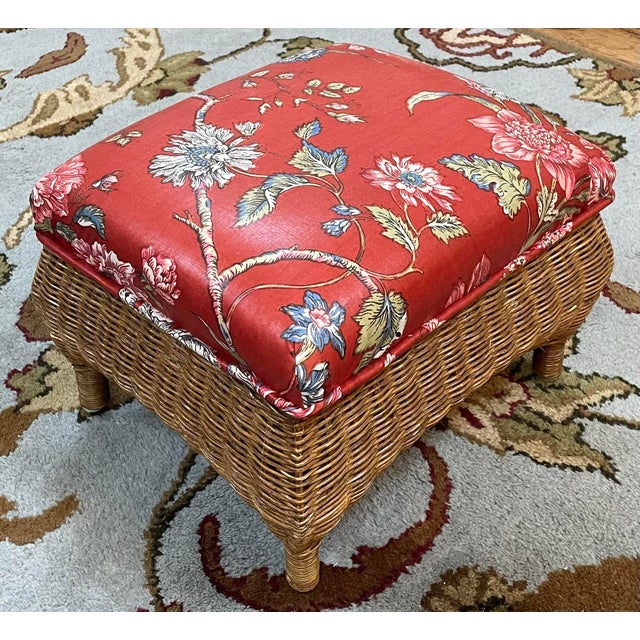
Antique wicker footstools, often overlooked in a world dominated by modern furniture, can serve as stunning focal points, conversation starters, and functional accents in any home. These charming pieces not only add character to your space but also offer a glimpse into the craftsmanship and design aesthetics of the past. In this article, we will explore the rich history of wicker furniture, the versatility of antique wicker footstools, and practical tips on how to incorporate them into your decor.
The History of Wicker Furniture
The term “wicker” refers to the process of weaving pliable plant materials into furniture. This technique dates back thousands of years, with evidence of wicker furniture found in ancient Egypt and other civilizations. Here are some key milestones in the history of wicker furniture:
- Ancient Egypt: Wicker furniture was used for both practical and decorative purposes, often crafted from reeds and rushes.
- 18th Century: The rise of colonialism brought wicker furniture to Europe, where it became a symbol of elegance and sophistication.
- Victorian Era: Wicker furniture gained immense popularity during the Victorian era, with intricate designs and elaborate craftsmanship.
- 20th Century: The Arts and Crafts movement emphasized handmade furniture, leading to a resurgence in the appreciation of wicker craftsmanship.
Antique wicker footstools, often made from rattan, willow, or reed, are particularly prized for their durability and aesthetic appeal. Their unique designs and historical significance make them valuable additions to modern interiors.
Why Choose Antique Wicker Footstools?

Incorporating antique wicker footstools into your home decor comes with a myriad of benefits. Here are some reasons why these charming pieces deserve a place in your space:
- Timeless Aesthetic: Wicker footstools exude a rustic charm that complements various decor styles, from bohemian to traditional.
- Versatility: They can serve as footrests, extra seating, or even side tables, making them functional as well as stylish.
- Eco-Friendly: Choosing antique furniture is a sustainable option that reduces waste and promotes recycling.
- Unique Character: Each piece tells a story, adding depth and character to your home.
- Affordability: Compared to modern designer furniture, antique wicker footstools can often be found at reasonable prices, especially at estate sales and flea markets.
Styling Tips for Incorporating Antique Wicker Footstools
Once you’ve acquired an antique wicker footstool, the next step is to incorporate it into your decor. Here are some practical tips to help you seamlessly blend these pieces into your space:
1. Create a Cozy Reading Nook

Place your antique wicker footstool in a corner of your living room or bedroom, paired with a comfortable armchair and a soft throw blanket. This setup not only offers a cozy spot for reading but also adds a touch of vintage charm.
2. Use as a Coffee Table Alternative
For smaller living spaces, an antique wicker footstool can serve as a coffee table. Pair it with a decorative tray to hold beverages and snacks, creating a functional yet stylish centerpiece.
3. Layer Textures
Wicker footstools can beautifully complement various materials. Consider layering them with fabrics like velvet, linen, or cotton to create a rich, tactile experience in your decor.
4. Mix and Match Styles
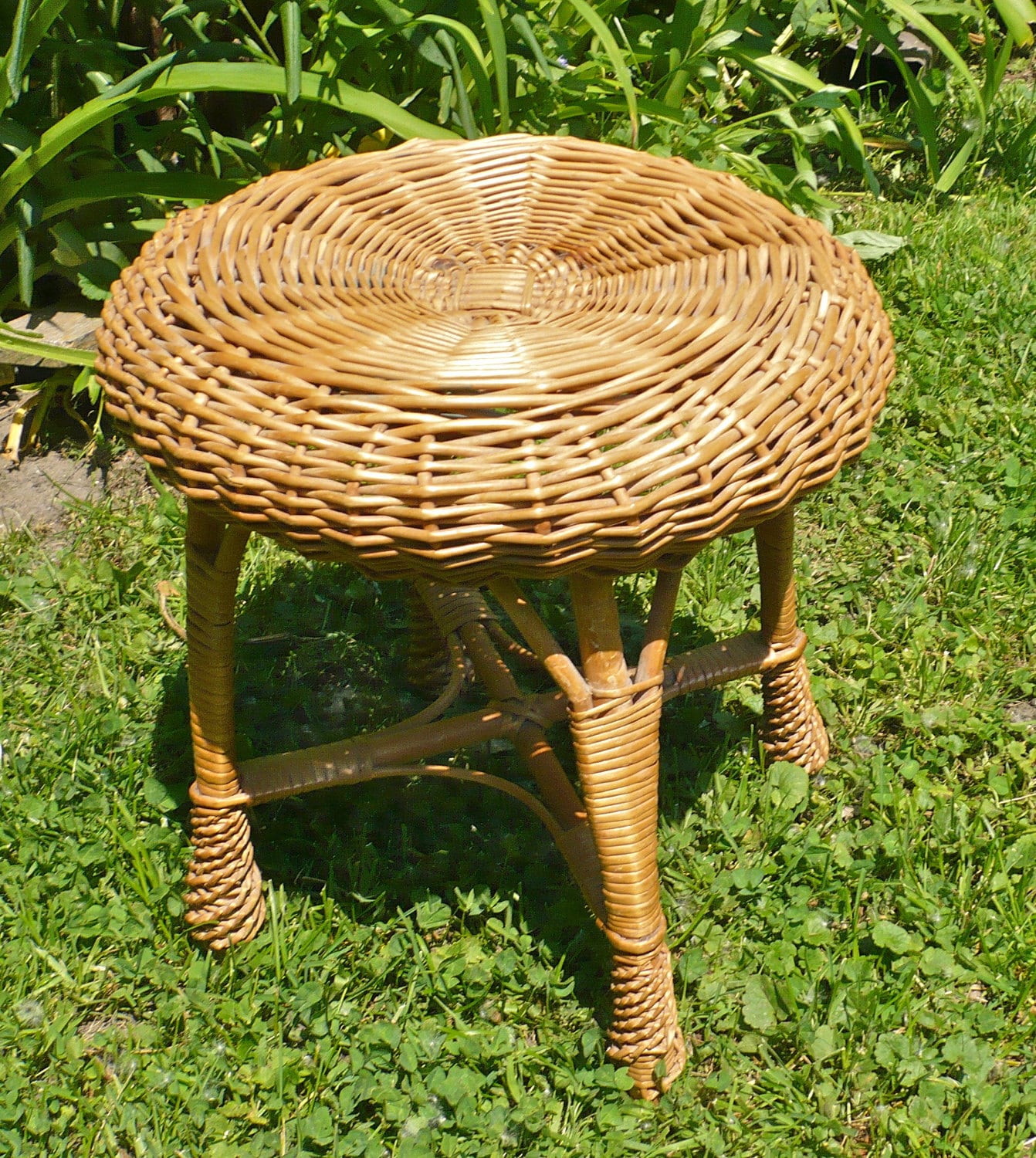
Don’t hesitate to mix antique wicker with contemporary furniture. The contrast can create an eclectic vibe that feels both curated and inviting.
5. Utilize in Outdoor Spaces
Wicker furniture is often durable enough for outdoor use. Incorporate an antique wicker footstool into your patio or garden setup for a charming, rustic touch.
Care and Maintenance of Antique Wicker Footstools
To ensure your antique wicker footstools remain in good condition, regular care and maintenance are essential. Here are some tips for keeping them looking their best:
- Dust Regularly: Use a soft cloth or a vacuum with a brush attachment to remove dust and debris.
- Avoid Moisture: Wicker is susceptible to water damage, so keep footstools in dry areas and avoid cleaning with excessive water.
- Repair Damages: If you notice any fraying or damage, consider applying a wicker repair kit or consulting with a professional restorer.
- Store Properly: If you need to store your footstools, keep them in a cool, dry place to prevent warping or mold growth.
Case Studies: Successful Transformations with Wicker Footstools
To illustrate the versatility and charm of antique wicker footstools, let’s take a look at a few case studies where homeowners successfully incorporated them into their interiors.
Case Study 1: The Modern Farmhouse
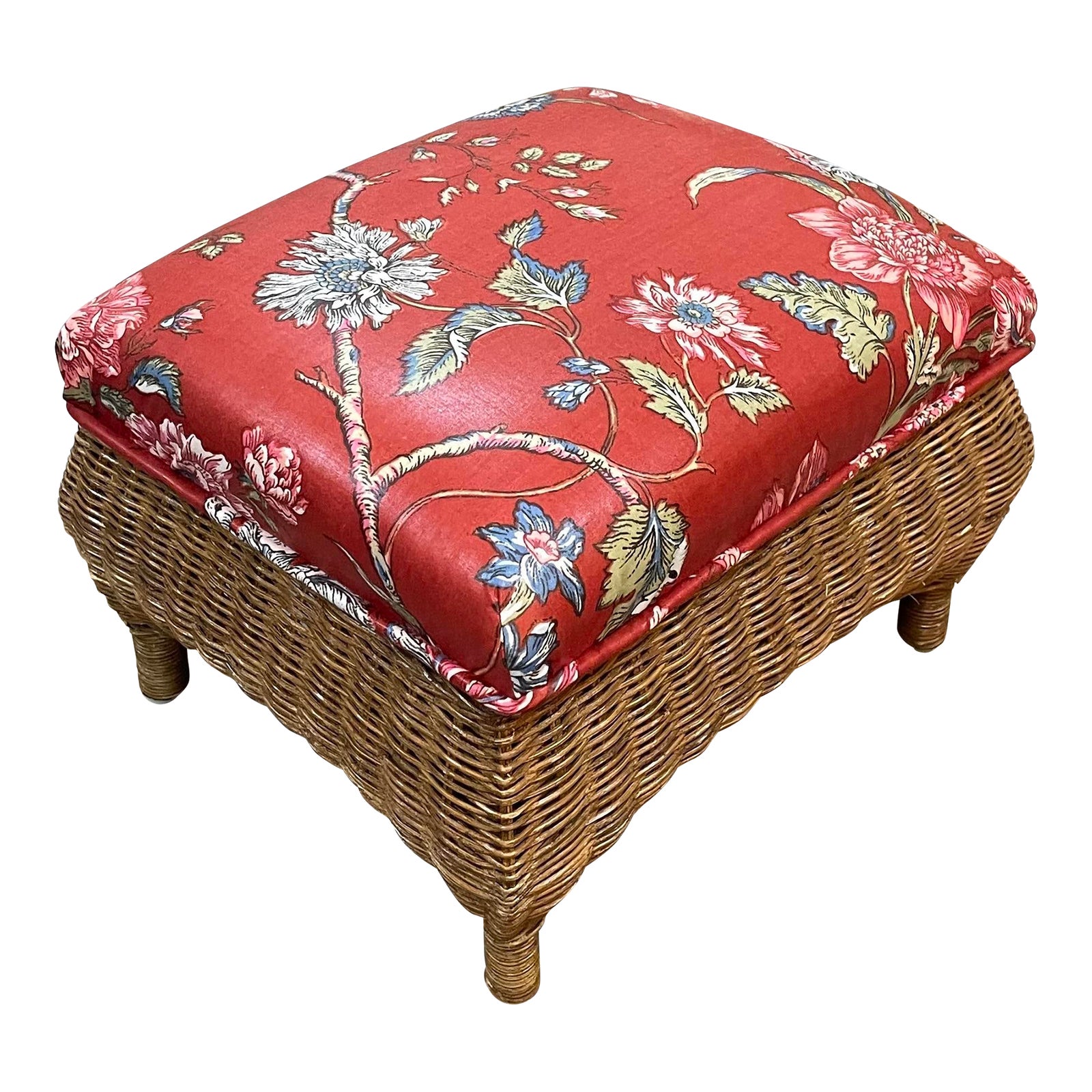
In a modern farmhouse renovation, one homeowner utilized antique wicker footstools in their living room. By pairing them with a distressed leather sofa and a reclaimed wood coffee table, they created a warm and inviting atmosphere. The footstools served as additional seating during gatherings, seamlessly blending comfort with style.
Case Study 2: The Eclectic Apartment

In a vibrant urban apartment, a couple used antique wicker footstools as nightstands in their bedroom. They painted the footstools in bold colors to match their eclectic decor. This not only added a unique touch to the room but also provided practical storage underneath.
Where to Find Antique Wicker Footstools
If you’re inspired to add antique wicker footstools to your collection, there are several places you can explore:
- Estate Sales: These events often feature a wide array of vintage furniture, including wicker pieces.
- Flea Markets: Local flea markets can be treasure troves for antique finds.
- Antique Shops: Dedicated antique shops usually have curated selections of quality wicker furniture.
- Online Marketplaces: Websites like eBay, Etsy, and Facebook Marketplace can connect you with sellers from around the world.
Antique wicker footstools are not just functional pieces of furniture; they are gateways to the past and sources of unique charm in modern interiors. By understanding their history, appreciating their versatility, and knowing how to style them effectively, you can transform your space into a stylish haven that reflects your personality. Whether used as footrests, side tables, or decorative accents, these timeless pieces can enhance the aesthetic of any room while adding a touch of history and character. As you embark on your journey to incorporate antique wicker footstools into your home, remember to enjoy the process of finding and caring for these beautiful pieces. Each footstool you choose has its own story and will contribute to the narrative of your home.