The Graco 390 is a workhorse in the painting industry, renowned for its reliability and ability to handle a wide range of projects, from residential interiors to light commercial exteriors. However, even the most robust equipment can encounter issues. When your Graco 390 starts acting up, it’s often a symptom of a problem with its individual parts. Understanding how to diagnose and address these common issues can save you significant time, money, and frustration. This article delves into the most frequent culprits behind Graco 390 malfunctions and provides a comprehensive guide to troubleshooting those problematic parts.
The Heart of the Matter: Understanding the Graco 390’s Key Components
Before we dive into troubleshooting, it’s crucial to have a basic understanding of the Graco 390’s core components and their functions. This foundational knowledge will empower you to pinpoint the source of the problem more effectively. The main systems and their vital parts include:
- The Fluid Pump: This is the engine of your sprayer. It draws paint from the bucket and pressurizes it for application. Key parts include the inlet and outlet valves, the piston, and the packing.
- The Suction System: This component, including the suction tube and hose, is responsible for efficiently pulling paint into the pump.
- The Filtration System: A clean filtration system is paramount for smooth operation and a quality finish. This includes the inlet strainer and the outlet filter.
- The Outlet Hose and Wand Assembly: This delivers the pressurized paint to the spray tip. It consists of the high-pressure hose, spray gun, and tip.
- The Motor and Drive System: This powers the pump. While less prone to user-serviceable issues, it’s still a critical part.
Common Graco 390 Problems and Their Corresponding Part Solutions

Many issues encountered with the Graco 390 can be traced back to specific parts. Let’s explore the most prevalent problems and how to troubleshoot them:
1. Insufficient or No Paint Flow: The Frustration of a Dry Spray
This is arguably the most common and disheartening issue. When your sprayer isn’t delivering paint, it often points to a problem with the fluid intake or pump assembly.
Troubleshooting Inlet Valve Issues: The Silent Stopper
The inlet valve, located at the bottom of the pump, is responsible for allowing paint into the pump cylinder. If it’s clogged or damaged, paint won’t be drawn up.
- Symptoms: The sprayer cycles, but no paint comes out, or only a very weak stream is produced. You might hear the pump struggling.
- Diagnosis:
- Check the inlet strainer: Ensure it’s clean and free of debris. A clogged strainer restricts paint flow.
- Inspect the inlet valve: Disassemble the pump’s lower end (refer to your Graco 390 manual for specific instructions). Look for hardened paint, debris, or a damaged ball within the valve assembly.
- Solution:
- Thoroughly clean the inlet valve and strainer. Use Graco’s cleaning solutions or a mild solvent if necessary.
- If the valve ball is damaged or worn, replace the entire inlet valve assembly. This is a relatively inexpensive part and a common wear item.
Addressing Suction Tube and Hose Obstructions: The Clogged Pathway
The suction tube and hose are the initial entry point for paint. Any blockage here will prevent the pump from working effectively.
- Symptoms: Similar to inlet valve issues – no or weak paint flow, pump may cycle erratically.
- Diagnosis:
- Examine the suction tube: Ensure it’s fully submerged in the paint and not kinked.
- Inspect the suction hose: Remove it from the pump and check for any blockages. You can try to blow through it or use a flexible wire to dislodge debris.
- Solution:
- Clear any obstructions from the suction tube and hose.
- Replace the suction hose if it shows signs of wear, cracking, or repeated kinking, as this can restrict flow.
Piston and Packing Problems: The Leaky Heartbeat
The piston moves up and down within the pump cylinder, drawing and expelling paint. The packing creates a seal around the piston. Worn or damaged piston seals and packing will lead to pressure loss and poor flow.
- Symptoms: Intermittent flow, loss of pressure, and sometimes a “pulsing” spray pattern. You might also notice paint leaking from the pump housing.
- Diagnosis:
- Listen for the pump: If you hear a lot of air or a “sucking” sound that shouldn’t be there, it suggests a leak in the pump seals.
- Inspect the piston and packing: After disassembling the pump, examine the piston for wear or scoring. The packing will often appear compressed, hardened, or cracked.
- Solution:
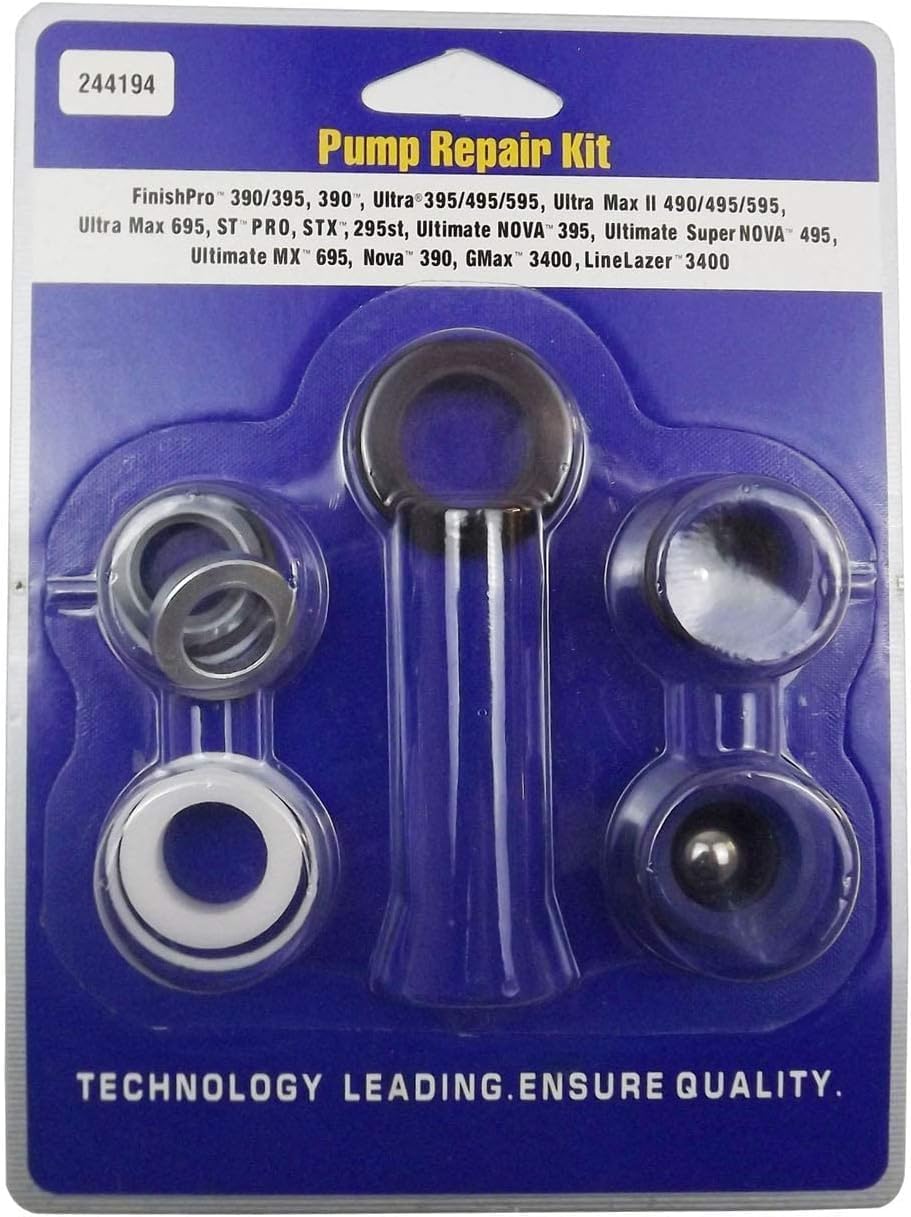
- Replace the piston packing and any associated seals. Graco offers complete pump repair kits for the 390 that include these parts.
- If the piston itself is damaged (scored or bent), it will also need to be replaced.
2. Inconsistent Spray Pattern: The Jagged Edges of Disappointment
A consistent, fan-shaped spray pattern is essential for a professional finish. Inconsistent patterns often stem from issues with the spray gun, tip, or outlet filter.
Clogged or Worn Spray Tip: The Unsung Hero of Finish Quality
The spray tip is the final gateway for paint and dictates the pattern size and shape. Even microscopic clogs can drastically alter the spray.
- Symptoms: Streaky application, uneven coverage, “tails” or uneven edges to the spray pattern, spitting paint.
- Diagnosis:
- Visually inspect the tip: Look for dried paint in the orifice or damage to the tip face.
- Try a different tip: If a different, known-good tip produces a proper pattern, the original tip is likely the culprit.
- Solution:
- Clean the spray tip thoroughly. Soak it in a Graco cleaning solution or a suitable solvent. Use a soft brush or a tip cleaning tool.
- If cleaning doesn’t resolve the issue, the tip is likely worn or damaged and needs replacement. Always use the correct tip size for your paint and application.
Blocked Outlet Filter: The Gatekeeper of Clean Paint
The outlet filter, located in the spray gun handle, catches any remaining debris before the paint reaches the tip. A clogged filter can restrict flow and create an uneven pattern.
- Symptoms: Similar to a clogged tip, often manifesting as intermittent spitting or a reduced spray fan.
- Diagnosis:
- Remove and inspect the outlet filter: It should be clean and free of paint buildup.
- Solution:
- Clean or replace the outlet filter. It’s recommended to replace these filters regularly as part of routine maintenance.
3. Leaking Sprayer: The Unwanted Drip

Leaks can occur at various points in the system, often due to worn seals, loose connections, or damaged hoses.
Loose Hose Connections: The Loosening Grip
High pressure can work fittings loose over time, leading to leaks.
- Symptoms: Drips or sprays of paint from hose connections.
- Diagnosis:
- Carefully inspect all hose connections, both at the pump outlet and the spray gun inlet.
- Solution:
- Tighten all hose connections. Ensure they are snug but do not overtighten, which could damage threads.
- If a connection continues to leak after tightening, inspect the O-rings or gaskets within the fitting for wear or damage and replace them if necessary.
Damaged High-Pressure Hose: The Bursting Threat
The high-pressure hose is under constant stress. A damaged hose is not only a source of leaks but also a safety hazard.
- Symptoms: Leaks along the hose length, bulges, or cracks.
- Diagnosis:
- Visually inspect the entire length of the high-pressure hose for any signs of damage, wear, or degradation.
- Solution:
- Replace the high-pressure hose immediately if any damage is detected. Never attempt to repair a damaged high-pressure hose.
Worn Pump Seals or Packings (Revisited): The Internal Weep
As mentioned in the “Insufficient Flow” section, worn pump seals and packing can also manifest as leaks from the pump housing itself.
- Symptoms: Paint seeping or dripping from around the pump rod or housing.
- Diagnosis:
- Refer to the “Piston and Packing Problems” section under “Insufficient or No Paint Flow.”
- Solution:
- Replace the piston packing and associated seals.
4. Motor Issues: The Silent Struggle

While less common for user-serviceable parts, motor issues can prevent the pump from operating.
- Symptoms: The motor hums but doesn’t engage the pump, or the motor doesn’t turn on at all.
- Diagnosis:
- Check the power supply: Ensure the sprayer is plugged into a functioning outlet with adequate voltage.
- Listen for the motor: If you hear a humming sound but no pump action, it could indicate a seized pump or a problem with the motor’s internal clutch.
- Solution:
- If the motor hums but the pump doesn’t engage, there might be an internal motor or pump linkage issue that often requires professional diagnosis and repair by an authorized service center.
- If the motor doesn’t turn on at all, and you’ve confirmed the power supply is adequate, it suggests a motor failure or electrical issue, which also typically requires professional attention.
Preventative Maintenance: The Key to Longevity
Many of these troubleshooting steps highlight the importance of regular maintenance. Implementing a consistent maintenance schedule can significantly reduce the likelihood of encountering these issues:
- Clean After Every Use: Thoroughly flush the sprayer with water or the appropriate cleaning solution immediately after each painting session. This prevents paint from drying and hardening in the system.
- Inspect Filters Regularly: Clean or replace inlet strainers and outlet filters as part of your routine.
- Check for Wear and Tear: Periodically inspect hoses, fittings, and the pump components for any signs of damage or excessive wear.
- Use the Correct Fluids: Always use the recommended cleaning solutions and lubricants as specified by Graco.
- Store Properly: Store the sprayer in a clean, dry environment, ideally with the pump lubricated and protected from freezing temperatures.
Case Study: The Mysterious Intermittent Flow

A painting contractor, John, was experiencing intermittent paint flow with his Graco 390. The sprayer would work fine for a while, then start spitting or lose pressure. He had cleaned the tip and filters multiple times without success. After reviewing our troubleshooting guide, he decided to disassemble the pump. He discovered that the packing around the piston was slightly worn and compressed. When the pump heated up during operation, the worn packing created tiny leaks, causing the intermittent pressure loss. Replacing the piston packing with a new kit resolved the issue completely, saving him from a costly service call and lost work time.
Empowering Your Graco 390 Performance

Troubleshooting common Graco 390 paint sprayer parts is an achievable skill that can dramatically enhance your productivity and the quality of your work. By understanding the function of each component and recognizing the symptoms of common failures, you can effectively diagnose and resolve most issues. Remember, preventative maintenance is your greatest ally in keeping your Graco 390 running smoothly. Regularly cleaning, inspecting, and replacing worn parts will not only save you from frustrating downtime but also extend the lifespan of your valuable equipment. With this knowledge, you are now better equipped to tackle any challenge and ensure your Graco 390 continues to be the reliable partner you depend on for all your painting projects.